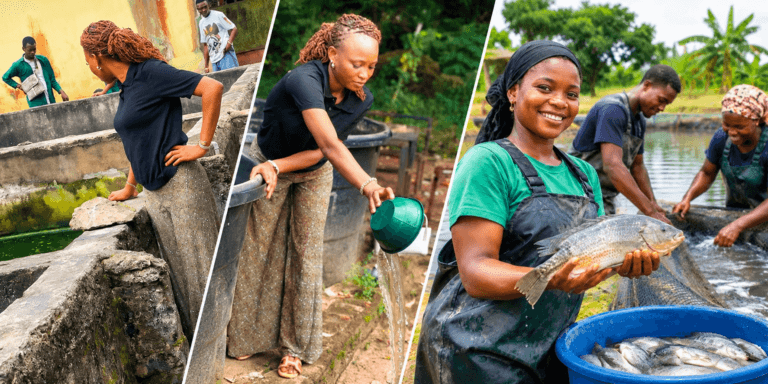
Have you ever stopped to think about how the fish on your plate got there?
Perhaps you bought it from a woman at the market, a roadside fish seller or directly from a fish farmer. You probably thought about how to prepare it, whether to fry, boil or smoke it. But how often do you think about the people and processes behind that fish?
Long before it reaches your kitchen, someone has spent hours fishing, someone has invested time and resources in raising it, another person has processed it, and someone has transported it to the market. For these people, fisheries is much more than food. It is a source of income and a means of providing for their families.
Across Africa, fisheries and aquaculture play important roles in food security, nutrition, employment and economic development. Yet, conversations about the sector often focus on fish production and consumption, with less attention given to the people and natural resources that sustain it. According to the Food and Agriculture Organization of the United Nations (FAO), fisheries and aquaculture support the livelihoods of more than 600 million people worldwide.
As we commemorate World Fisheries Day 2026, it is important to look beyond the catch and recognise the people and communities that sustain the sector. We must also consider how to create more opportunities for them while protecting the aquatic resources on which their livelihoods depend.
What Would the Fish Market Look Like Without Women?
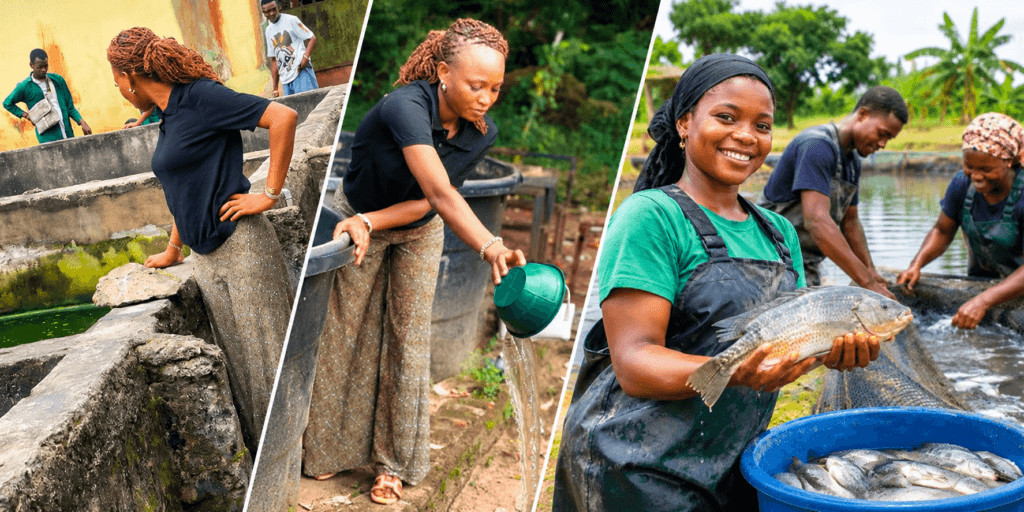
Walk through a fish market in many African communities, and you will find women doing much more than selling fish. They are involved in processing, smoking, drying, packaging and trading. Many also operate small businesses that support their households and contribute to local economies.
Despite their contributions, women in fisheries continue to face challenges, including limited access to finance, modern processing facilities, training and wider markets. These constraints can affect their productivity, income and ability to grow their businesses.
Empowering women in fisheries goes beyond acknowledging their contributions. It means ensuring they have access to the resources, skills, technology and opportunities needed to participate meaningfully and succeed across the fisheries value chain.
Supporting women in this sector is an investment not only in individual businesses but also in stronger households, local economies and more inclusive food systems.
Young People Have a Place in Fisheries Too
Fisheries and aquaculture may not be the first career choices that come to mind for many young people. However, the sector offers opportunities beyond fishing and fish farming. Young people can build careers and businesses in fish production, feed development, processing, marketing, research and technology.
With appropriate training, mentorship and access to resources, they can introduce new ideas, adopt innovative technologies and contribute to the sector’s growth.
However, encouraging young people to consider fisheries and aquaculture as viable career paths requires more than awareness. They need practical opportunities, access to finance, relevant skills and an enabling environment to turn their ideas into sustainable businesses.
The future of the sector will depend partly on how well we prepare and support the next generation of fisheries professionals and entrepreneurs.
Can We Keep Taking from Our Waters Without Protecting Them?
Our rivers, lakes, oceans and wetlands support fish populations and the communities that depend on them. However, these aquatic resources face increasing threats from pollution, habitat destruction, overfishing and unsustainable fishing practices. Climate change adds further pressure on aquatic ecosystems and fish production.
When fish stocks decline, the consequences extend beyond the water. Fishers may return with smaller catches, traders have less fish to sell, and processors struggle to secure enough supplies. Ultimately, families and communities that depend on fisheries for food and income are affected.
This is why sustainable fisheries management matters. Protecting breeding grounds, reducing water pollution, preventing destructive fishing practices and promoting responsible resource management are important steps towards conserving aquatic ecosystems.
Aquaculture also has an important role to play. Responsible fish farming, supported by good production practices and proper water quality management, can help increase fish supply while reducing pressure on wild fish stocks. The goal should not simply be to produce more fish today, but to ensure that aquatic resources remain healthy and productive for future generations.
What Can We Do Differently?
Building a stronger and more sustainable fisheries sector requires collective action. Governments, research institutions, development organisations, businesses, fishing communities and consumers all have a role to play.
Some important actions include:
- Improving infrastructure: Better storage, transportation and processing facilities can reduce post-harvest losses and improve the quality of fish products.
- Supporting women and young people: Access to finance, training, technology and mentorship can help them establish and grow sustainable businesses.
- Investing in research and innovation: Research can improve fish production, strengthen aquaculture practices and support more effective fisheries management.
- Protecting aquatic ecosystems: Responsible fishing practices, pollution control and habitat conservation are essential for maintaining healthy fish populations.
- Promoting responsible consumption: Consumers can support responsibly produced fish and become more conscious of the environmental and social impact of their choices.
These actions are interconnected. A productive fisheries sector cannot be sustained without healthy aquatic ecosystems, and environmental protection must go hand in hand with supporting the people who depend on these resources.
2026 World Fisheries Day, Let’s Look Beyond the Catch
The next time you buy fish, take a moment to think about its journey before it reaches you. Think about the fisher who caught it, the farmer who raised it, the woman who processed it and the trader who brought it to your market.m Their efforts are part of a much bigger story about food security, employment, entrepreneurship and community development.
Commemorating World Fisheries Day should go beyond recognising the importance of fish production and consumption. It should also remind us of the need to build a sector where fishers earn decent livelihoods, women can grow their businesses, young people have meaningful opportunities, and aquatic resources are protected.
Ultimately, the future of fisheries in Africa depends on our ability to balance productive and profitable livelihoods with responsible management of the resources that sustain them.
Fisheries is more than the fish we catch. It is about the people who depend on it, the communities it supports and the future we choose to build.

Author: Kobimdi Uzonta
Kobimdi Gloria Uzonta is an aquaculturist and MSc student in Fisheries at the University of Benin (UNIBEN), Nigeria. Her interests include sustainable fisheries and aquaculture, fish production and processing, and promoting opportunities for women and young people across the fisheries value chain