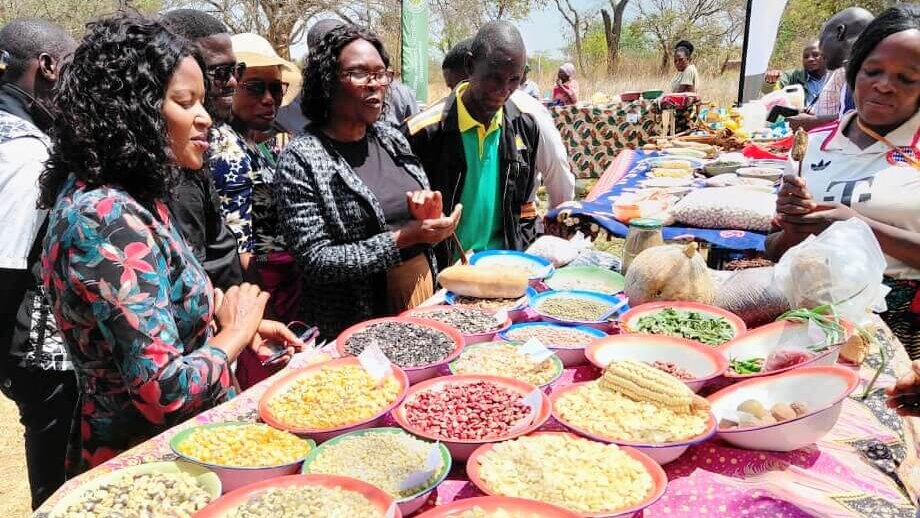
Farmers, civil society organisations and agricultural stakeholders in Zambia have called for recognition of indigenous seeds and stronger action against highly hazardous pesticides as Zambia seeks to strengthen food security and build resilience to climate change.
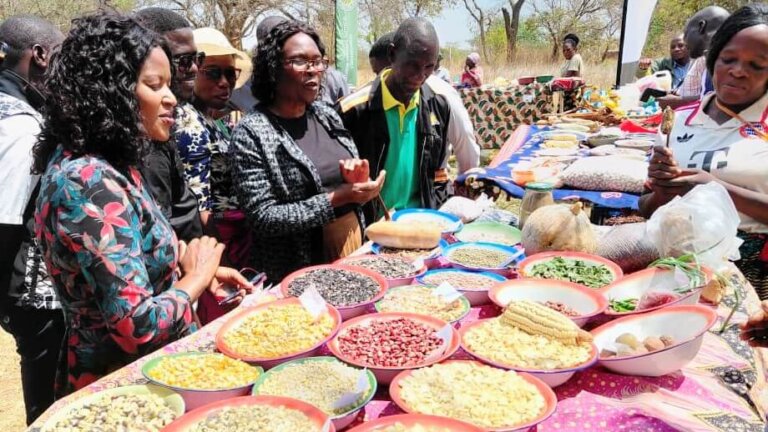
Speaking during the 2026 Shibuyunji District Seed and Food Festival, Community Technology Development Trust (CTDT) Programmes Officer Edwin Abwino acknowledged the increasing volatility of weather patterns, particularly changes in rainfall and temperature, which continue to affect agricultural production.
Abwino said indigenous seeds play an important role in demonstrating farmers’ agricultural independence and their ability to sustain food production under changing environmental conditions.
The festival also provided an opportunity for farmers to celebrate their agricultural heritage and the traditional production systems that have helped communities conserve and pass indigenous seeds from one generation to another.
He encouraged participants to appreciate the local culture and knowledge systems that have preserved indigenous seeds and formally welcomed farmers and other stakeholders to the festival.
Meanwhile, Zambia Alliance for Agroecology and Biodiversity Communications Officer Georgina Nkala said climate change and frequent droughts were increasingly threatening food production, making the conservation of traditional seed diversity essential for building resilient food systems.
Nkala highlighted the importance of farmer-managed seed systems, saying they preserve agricultural heritage while providing farmers with locally adapted options for strengthening food security.
She also raised concerns over the negative effects of pesticides on human health, beneficial insects and biodiversity.
Nkala called for farmers to be placed at the centre of agricultural solutions, arguing that their knowledge and experience, together with the seeds they have conserved over generations, should help shape the future of Zambia’s food systems.
Farmers Raise Concerns Over Hazardous Pesticides
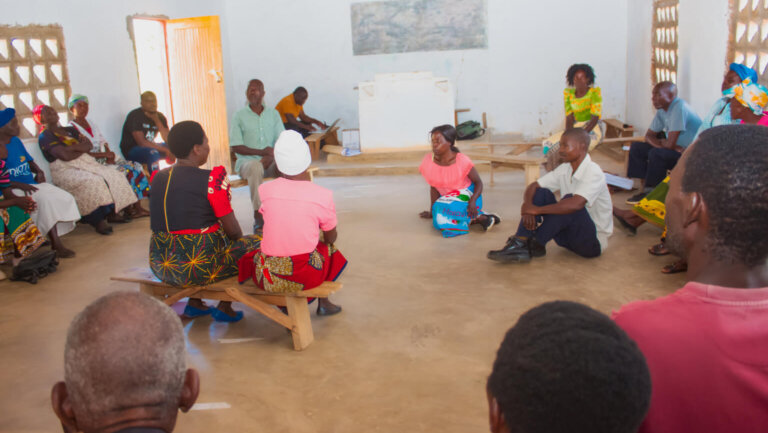
Speaking on behalf of farmers in a communique, Ivwananji Nachalwe said the dialogue during the Seed and Food Fair had provided farmers with an opportunity to share their experiences and identify priority issues requiring the attention of traditional leaders, government authorities, farmers’ organisations and other stakeholders.
One of the major concerns raised was the continued availability and use of highly hazardous pesticides.
Nachalwe said farmers recognised that pesticides fall into different categories of risk, but expressed concern that some highly hazardous pesticides that have been banned continue to appear on the Zambian market.
She said farmers are concerned about the potential impact of these chemicals on human health and the environment, citing health problems such as cancer-related conditions and respiratory diseases that farmers believe may be associated with pesticide exposure.
The farmers also raised concerns about the effects of hazardous pesticides on soil, water, biodiversity and the sustainability of agricultural production.
They called for the banning of highly hazardous pesticides that pose serious risks to human health and the environment.
The farmers further urged the government to develop and implement a clear plan for phasing out highly hazardous pesticides within the shortest possible timeframe.
They called for increased promotion and support for safer, affordable and environmentally friendly agricultural practices, including agroecology.
They urged traditional and local leadership structures, including headpersons, chiefs, district commissioners, Ward Development Committees and councillors to take up the concerns and engage relevant authorities on appropriate action.
Calls for Recognition of Local Seeds
Another key concern raised by the farmers was the inadequate recognition and acceptance of local seeds and crops.
Farmers argued that indigenous seeds remain an important part of Zambia’s agricultural heritage and can contribute to resilience in the face of climate change, drought and other challenges affecting food production.
They called for greater recognition of farmer-managed seed systems and stronger support for farmers who conserve and reproduce indigenous varieties.
The discussions underscored the need for agricultural policies and programmes to recognise farmers not only as beneficiaries of agricultural development, but also as custodians of knowledge, biodiversity and locally adapted seed systems.
The stakeholders said strengthening indigenous seed systems, promoting agroecological practices and addressing the risks associated with hazardous pesticides could help Zambia build more sustainable and resilient food systems.
The farmers urged government, traditional leaders, agricultural authorities, civil society organisations and farmers’ organisations to work together to ensure that their concerns are translated into concrete action.
Download free Knowledge Products: “Sustainable Organic Agriculture Manual” “KATC Fermented Liquid Bio-fertiliser Guide”