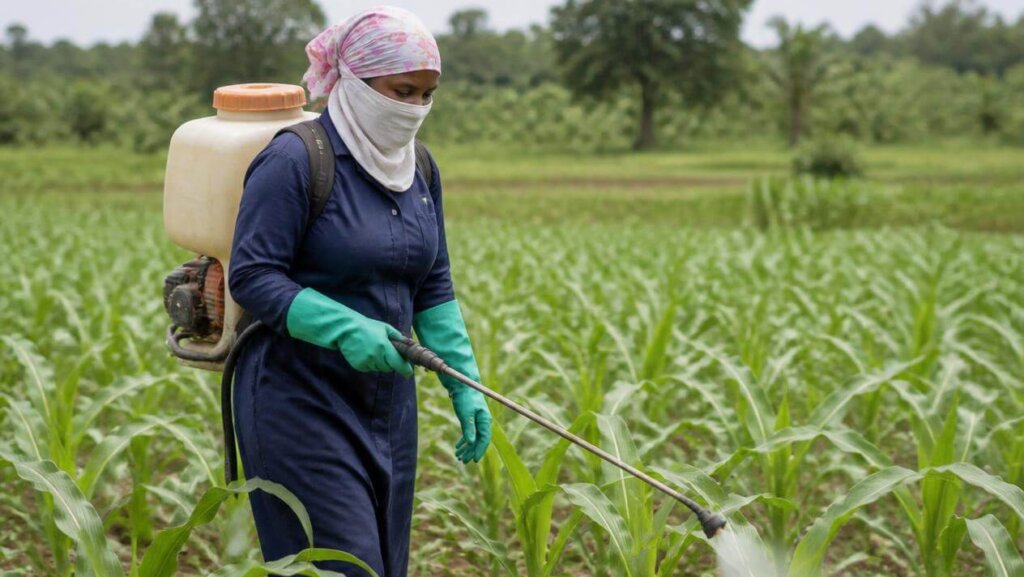
Smallholder Farmers in Southern Africa Call for Action on Highly Hazardous Pesticides
Across Southern Africa, smallholder farmers face growing pressure to protect their crops from pests, changing weather patterns and declining soil health. Many rely on chemical pesticides to save their harvests. But these chemicals can come at a high cost.
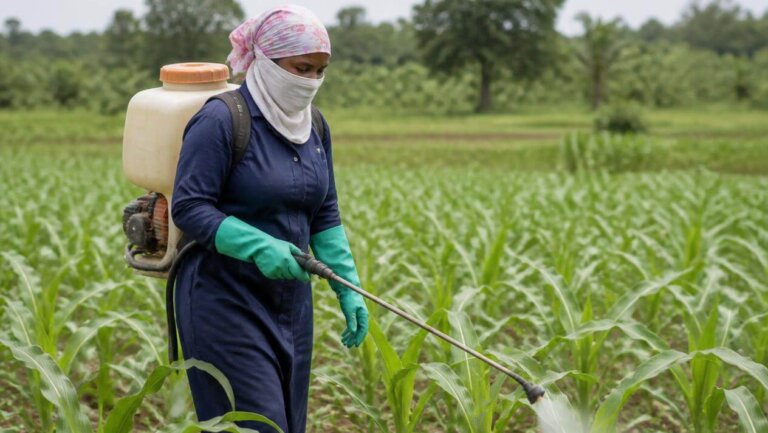
Exposure to highly hazardous pesticides (HHPs) can harm farmers, their families and consumers. When pesticides contaminate soil and water, they can also threaten livestock, wildlife and other organisms that support healthy ecosystems. Farmers often face a difficult choice: protect their crops today or risk the health of their communities and the environment tomorrow.
In Zambia, farmers and agroecology advocates are calling for safer ways to grow food and stronger action to reduce the use of highly hazardous pesticides.
Farmers on the Frontline
More than 100 smallholder farmers, researchers, environmental advocates and policymakers gathered at Chikanchila Ecovillage, home to the Schools and Colleges Permaculture Programme (SCOPE) and Zambia’s Climate Change Centre of Excellence.
They met for the fourth annual Farmers’ and Practitioners in Agroecology Conference, held under the theme “Pesticides: The Poison in Our Food.”
Organised by SCOPE-Zambia, the Zambia Alliance for Agroecology and Biodiversity (ZAAB), the Community Technology Development Trust (CTDT) and FIAN Zambia, the conference examined the effects of pesticide use on food systems, human health and the environment.
ZAAB National Coordinator Mutinta Maseko said farmers are often the first to face exposure when handling and spraying hazardous pesticides. Their families, neighbouring communities and consumers can also be affected.
For smallholder farmers, reducing pesticide use is not always easy. Unpredictable weather and increasing pest pressures threaten harvests and incomes. Chemical pesticides may appear to offer a quick solution, but unsafe use and repeated exposure can create serious risks.
What Makes a Pesticide Highly Hazardous?
Highly hazardous pesticides are identified by international criteria, including severe acute or long-term health effects and serious environmental risks.
Some can cause severe poisoning after a single exposure. Others are associated with cancer, reproductive harm or damage to the hormonal system. Certain chemicals can also persist in soil and water, exposing people and animals long after application.
Pesticides can harm beneficial insects and other organisms that help maintain healthy ecosystems. Contamination of water sources can also affect livestock and wildlife.
The World Health Organization has highlighted pesticide poisoning as a major public health concern, particularly in low- and middle-income countries. It calls for strict regulation, control and monitoring of pesticide residues in food and the environment.
SCOPE-Zambia Board Chairperson Joseph Mwale urged participants to consider the long-term consequences of pesticide use.
“The choices we make today about how we grow our food will affect our health, our environment, and future generations,” he said.
Zambia’s Pesticide Phase-Out Target
Zambia has committed to reducing the use of highly hazardous pesticides by 70% by 2030 under its national biodiversity strategy.
However, ZAAB Coordinator Maseko raised concerns about gaps in public information on which pesticides are being used, where they are coming from and how exposure is affecting communities.
She pointed to a pesticide database developed through collaboration between the Swedish Chemicals Agency and the Zambia Environmental Management Agency (ZEMA) between 2018 and 2022. According to information shared at the conference, the database remains unpublished.
Public access to reliable information is important. Farmers, agro-dealers and consumers need to know which products pose serious risks and which safer alternatives are available.
Silvester Ng’uni, Principal Inspector for Licensing and Compliance at ZEMA, outlined the country’s regulatory efforts. He reported that 54 pesticide products had been identified for bans or restrictions, with 19 banned to date.
He stressed the need for stronger enforcement, farmer education and practical alternatives to hazardous chemicals.
Finding Safer Ways to Protect Crops
Pesticides can help prevent crop losses, but reducing risks requires responsible regulation and greater support for safer farming methods.
Winfred Ngoma, an Agricultural Research Officer at the Zambia Agricultural Research Institute (ZARI), said the institute is researching approaches to plant protection that reduce crop losses while supporting human and environmental health.
“Bio-pesticides and botanicals offer a sustainable and effective crop protection pathway,” Ngoma said. He explained that these options can help control pests and diseases while supporting ecosystem balance when properly used.
Farmers and experts also discussed agroecological practices that can reduce dependence on synthetic pesticides, including:
- Crop diversification: Growing different crops together or in rotation to disrupt pest cycles.
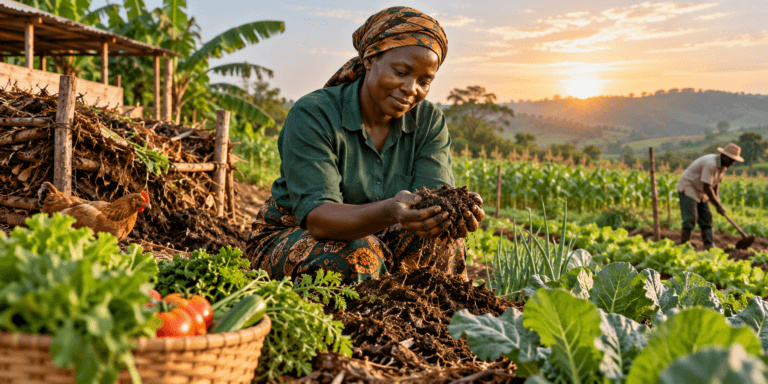
- Healthy soils: Improving soil fertility and biological activity to support stronger crops.
- Natural pest management: Using biological controls and appropriate plant-based remedies.
- Indigenous seeds: Conserving locally adapted seeds that can support resilient farming systems.
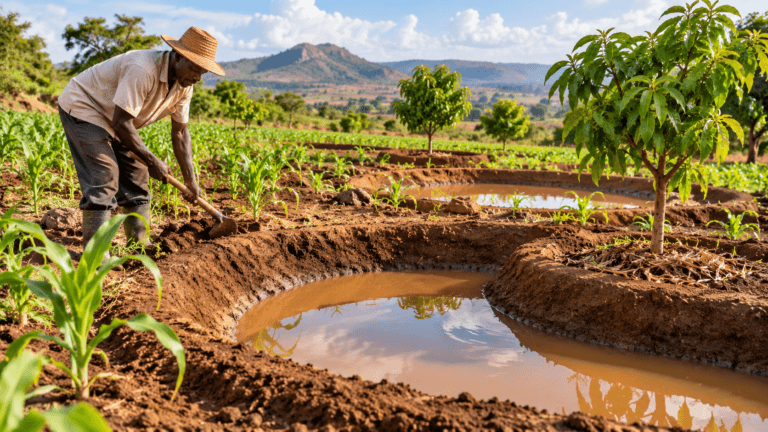
- Water conservation: Harvesting and managing water to help farms cope with changing rainfall.
These approaches require practical training, access to knowledge and sustained support. Farmers also need reliable markets and policies that make safer production economically viable.
Protecting the Future of Food
The two-day conference concluded with participants working on a national communiqué outlining actions to reduce reliance on hazardous pesticides and promote agroecology, bio-pesticides and permaculture.
For Rupiah Banda, a farmer from Mukonka Village in Rufunsa District, the issue extends beyond the current harvest.
“We do not inherit the earth from our ancestors; we borrow it from our children,” he reflected.
His words capture the responsibility facing farmers, policymakers and communities across Southern Africa. Protecting food production should not come at the expense of human health, animal life or the environment.
Reducing dependence on highly hazardous pesticides will require stronger regulation, transparent information and investment in practical alternatives. Above all, smallholder farmers need support to adopt safer methods without putting their livelihoods at risk.
Download the Knowledge Product ” How to Make and Use Fermented Liquid Bio-Fertilisers Poster” by Kasisi Agricultural Training Centre(KATC).

Author: Misheck Nyirongo
Misheck Nyirongo is a Pan-African journalist specializing in agroecology for climate action and food sovereignty. His work focuses on promoting sustainable agricultural practices, highlighting the importance of agroecology in addressing climate change, and advocating for food sovereignty through media and storytelling in Africa. Misheck's compelling reporting emphasizes the need for people-centered climate solutions rooted in agroecology, which helps build resilient food systems, improve livelihoods, and enhance ecosystem health