Building a Health-Conscious Africa: Organic Agriculture as Preventive Medicine
Across Africa, the conversation around health often focuses on treatment, hospitals, drugs, and curative services. Yet, the African proverb reminds us, “Prevention is better than cure.” One of the most powerful forms of prevention begins on our farms and in our kitchens, not in the hospital ward.
Organic agriculture is more than just a method of farming; it is a lifestyle and a health movement. By producing food free from synthetic pesticides, herbicides, and chemical fertilizers, organic farming safeguards the health of both the land and the people. In a continent blessed with fertile soils, diverse climates, and rich agricultural traditions, Africa has the opportunity to lead the world in reconnecting food production with public health.
The Hidden Cost of Our Modern Diets
Over the last few decades, Africa’s food systems have changed. The growing presence of processed foods, intensive chemical farming, and imported diets has contributed to rising cases of non-communicable diseases (NCDs) such as high blood pressure, diabetes, heart disease, and certain cancers. Many of these diseases are linked to lifestyle and diet. When food contains chemical residues or is stripped of natural nutrients through over-processing, the body suffers in the long run. The truth is that good health starts with good food, and good food starts with how we grow it.
Organic Agriculture as Preventive Medicine
In preventive medicine, the goal is to stop diseases before they occur. Organic farming is a natural partner to this goal because it:
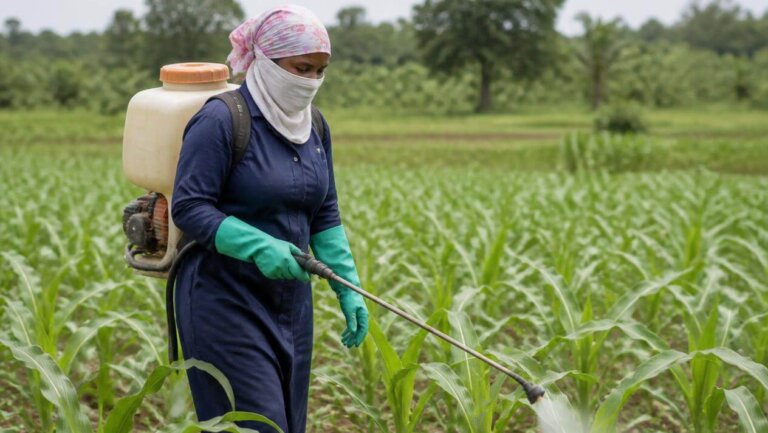
1. Reduces chemical exposure: Farmers, consumers, and the environment are all spared from harmful synthetic pesticides and fertilizers.
2. Preserves nutrients: Organically grown crops often have higher nutrient content, which boosts the immune system and overall health.
3. Protects ecosystems: Healthy soil and biodiversity are essential for producing clean water and nutritious food.
4. Strengthens community food systems: Local organic farms mean fresher produce and more resilient rural economies.
An African Opportunity
Africa has deep roots in farming traditions that are inherently organic; our grandparents cultivated crops without synthetic chemicals, relying on natural fertilizers, crop rotation, and mixed farming. Many indigenous farming practices are, in essence, organic methods passed down through generations.
By combining modern organic standards with these indigenous practices, Africa can chart a path toward food sovereignty, health, and sustainability. This is not about going backward; it’s about moving forward wisely, using the best of both tradition and innovation.
Building a Health-Conscious Nation, One Farm at a Time
For a truly health-conscious Africa, policy-makers, farmers, and consumers must work together:
Governments can create policies and incentives that encourage organic farming and reduce reliance on harmful chemicals.
Farmers can embrace organic practices, knowing they are producing food that heals rather than harms.
Consumers can make informed choices, supporting farmers who grow food in ways that protect health and the environment.
Investing in organic farming is not only good for our soils and water; it is a long-term investment in the health of our people. Every basket of organic vegetables, every cup of chemical-free grains, and every naturally grown fruit is a step towards reducing hospital visits and medication costs.
The Way Forward
A health-conscious Africa begins with awareness. We must educate communities about the connection between the way we farm, the food we eat, and the diseases we face. Schools, churches, mosques, and local associations can be powerful platforms to spread this knowledge.
The journey may not be easy, organic farming can require more labor, skill, and patience but the rewards are worth it. Healthier families, stronger communities, and a cleaner environment are the ultimate harvest.
In conclusion, Africa’s rich agricultural heritage, combined with the modern organic movement, offers a powerful tool for preventive healthcare. By valuing our soil as much as we value our hospitals, we can build a continent where health is cultivated daily, from seed to plate.

Author: Olusola Oludayo Sunday
Sunday Olusola Oludayo is an agriculture extensionist, health practitioner, and passionate advocate of organic and sustainable farming. She promotes agroecology as a pathway to healthier communities and resilient food systems. Through her work, she blends practical agricultural knowledge with health awareness to inspire positive change across Africa