Conferences, forums, and workshops can be exciting. You leave with new ideas, contacts and energy to make a difference. However, once you return home, the challenge begins: how do you turn that inspiration into real change in your community?
This guide offers practical steps to help you translate what you have learned into action so that agroecology is not just discussed in meeting rooms, but practiced in the fields.
Step 1: Start Small with a Demonstration Plot
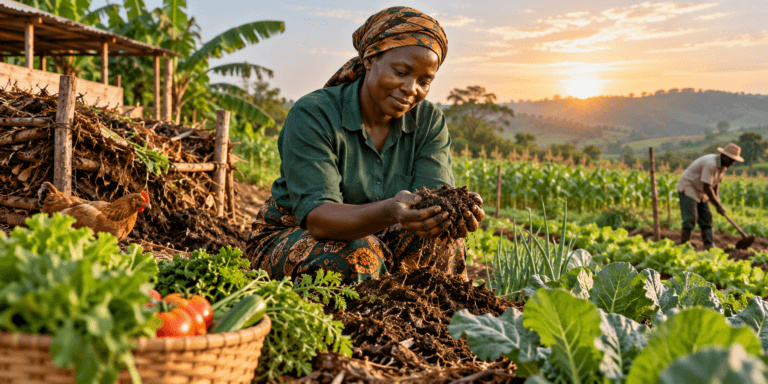
- Convert a small piece of land into an agroecological farm.
- Use compost, intercropping and natural pest control.
- Invite neighbours to see the results, showing is more powerful than telling.
Step 2: Form a Youth Agroecology Club
- Gather 5–10 young people from your village, school or church.
- Share lessons from meetings and resources.
- Rotate responsibilities such as composting, seed saving and marketing.
Step 3: Build a Local Knowledge Hub
- Print or translate simple resources on agroecology.
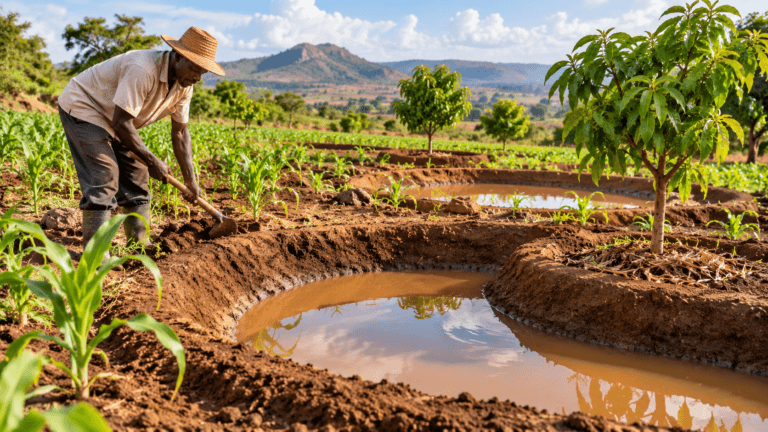
- Host monthly learning sessions on topics like soil health, water harvesting or Participatory Guarantee Systems (PGS).
- Use local language and practical examples for better understanding.
Step 4: Connect with Wider Networks
- Join farmer support networks such as PELUM, SAOSO or other local agroecology movements.
- Use online platforms like KCOA Africa to share your progress and learn from others.
- Collaboration opens doors to mentorship and small funding opportunities.
Step 5: Advocate for Change Locally
- Share your successes with traditional leaders, schools and local authorities.
- Propose initiatives such as:
- Community composting programs
- School gardens practicing agroecology
- Youth-led cooperatives for marketing produce
Remember: You Are a Multiplier
Each meeting or conference you attend is not an end, it’s a beginning. The real impact comes when you bring ideas home and put them into practice. By starting small, sharing knowledge, and connecting with others, you can bridge the gap between policy and practice.
Agroecology grows strongest when it takes root in local soil.
Download the “Think before you eat knowledge product” by Namibian Organic Association from the link below for more information on agroecology and organic agriculture.

Author: Rabecca Mwila
Rabecca Mwila is a passionate advocate for sustainable agriculture and environmental stewardship. With a background in climate change and communications, she has spent years telling the untold stories of the realities of climate change, environmental and climate injustices and how they affect vulnerable communities in Africa and beyond