What If Four Simple Principles Could Heal Our Soils, Feed Our Children and Restore Justice to Our Food System?
Across Southern Africa, from the floodplains of Malawi to the drylands of Namibia, from the highlands of Lesotho to the communal fields of Zimbabwe , farmers face the same painful puzzle:
We grow more maize than ever… yet hunger deepens.
We apply more chemicals than ever… yet soils die.
We produce more calories than ever… yet children remain stunted.
For decades, we have been told that industrial agriculture’s chemical inputs, monocultures and hybrid seeds are the only path to “modern” farming.
However, what if there is a better compass? One that does not come from a corporation or a distant ministry but from ecological wisdom, social justice and intergenerational responsibility?
That compass exists. It is called IFOAM’s Four Principles, and it is already guiding a quiet revolution across Southern Africa.
Four Principles Rooted in African Reality
The International Federation of Organic Agriculture Movements (IFOAM) did not invent these principles; it arranged what African farmers have practised for generations. The principles offer a powerful guide for evaluating every farming decision, policy and market system:
| Principle | Core Question | Southern African Expression |
| Health | Does this practice nourish people and ecosystems? | We must grow nutrient-dense foods, not just calories. |
| Ecology | Does this practice work with nature, not against it? | We must feed the soil, not just the plant. |
| Fairness | Does this practice share benefits equitably? | Women, youth and elders all deserve dignity and a voice. |
| Care | Does this practice protect future generations? | No poison today that harms tomorrow. |
These ideas are practical filters already being applied by farmers and organisations across the Knowledge Hub for Organic Agriculture and Agroecology in Southern Africa (KHSA) network:
- Malawi: Soils, Food and Healthy Communities (SFHC) uses Fairness to ensure women lead dietary diversity decisions resulting in higher household nutrition scores.
- Zambia: Kasisi Agricultural Training Centre (KATC) reflects Ecology by teaching fermented bio-fertilisers that rebuild soil life without chemicals.
- South Africa: PGS SA implements care through community-based verification that protects both land and livelihoods for generations.
- Namibia: Namibia Nature Foundation applies Health by linking organic rangeland management to clean water and disease prevention.
How the Four Principles Solve Real Problems Across Borders
Let us see how these principles address shared challenges facing Southern African farmers today:
Principle of HEALTH: From Empty Calories to Nutrient Security
The crisis: 48% of Zambians can not meet caloric needs. 35% of Malawian children are stunted. Maize monocultures deliver calories but not vitamins, minerals or protein.
The principle in action:
Agroecology guided by Health promotes crop diversity: amaranthus, bambara nuts, orange-fleshed sweet potatoes and indigenous leafy greens.
- In Malawi, SFHC farmers growing diverse crops saw child stunting drop by 15% in three years.
- In Zambia, households following Food-Based Dietary Guidelines report fewer cases of anaemia and night blindness.
Principle of ECOLOGY: From Degraded Soils to Living Landscapes
The crisis: Chemical fertilisers acidify soils. Pesticides kill pollinators. Monocultures invite pests like fall armyworm. Erosion washes away topsoil after every rain.
The principle in action:
Agroecology guided by Ecology uses nature’s intelligence:
- Botanical sprays (mtetezga, chisoyo) repel pests without poisoning bees (SFHC Malawi).
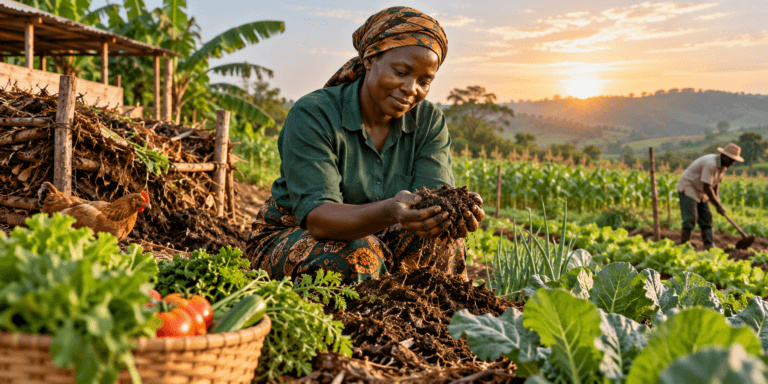
- Fermented bio-fertilisers feed soil microbes that recycle nutrients naturally (KATC Zambia).
- Intercropping creates habitat for beneficial insects that control pests for free.
Ecology is not “going back”, it’s farming smarter by aligning with natural cycles that have sustained life for millennia.
Principle of FAIRNESS: From Exclusion to Dignity for All
The crisis: Women produce 60–80% of food in Southern Africa yet own less than 20% of land. Youth flee rural areas because farming feels like poverty. Smallholder farmers bear climate risk while corporations capture profits.
The principle in action:
Agroecology guided by Fairness redistributes power:
- PGS groups give women equal voice in verification and decision-making (PGS SA).
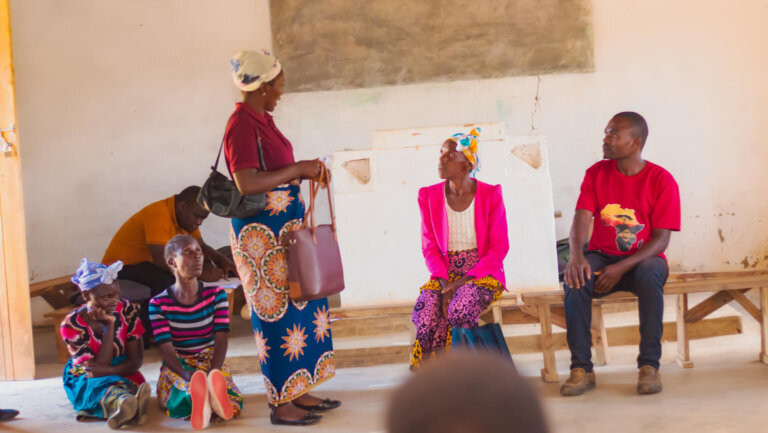
- Farmer field schools value indigenous knowledge alongside science honouring elders as innovators.
- Short value chains ensure farmers capture more than 70% of consumer price not 10%.
❤️ Principle of CARE: From Short-Term Extraction to Intergenerational Stewardship
The crisis: Deep ploughing exposes soil to erosion. Agrochemical runoff poisons rivers. Deforestation for megafarms accelerates climate change. We are borrowing from our children’s future.
The principle in action:
Agroecology guided by Care asks: “Will this practice still feed my grandchildren?”
- Cover cropping protects soil between seasons, preventing erosion even during cyclones (Malawi).
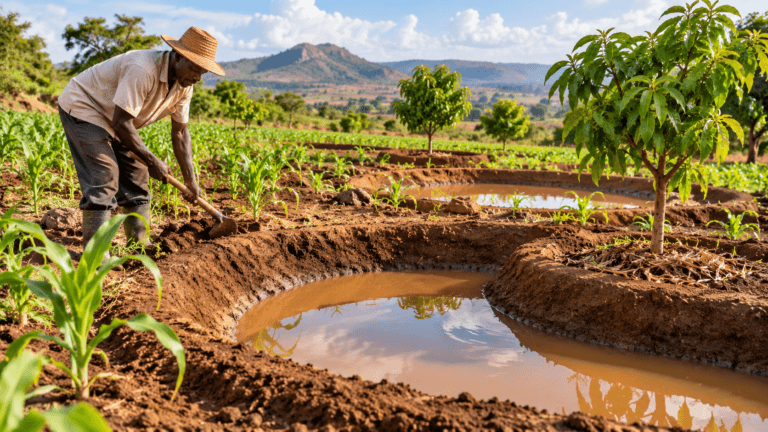
- Water harvesting recharges groundwater, critical as droughts intensify (Zambia, Namibia).
- Seed saving preserves genetic diversity, ensuring crops adapt to changing climates.
Embrace the Four Principles Wherever You Stand
You do not need a ministry portfolio or a research degree to apply these principles. Start where you are:
If you are a farmer:
- Health: Plant one new indigenous vegetable this season (e.g., amaranthus, pumpkin leaves).
- Ecology: Try a botanical spray on one plot and compare results with chemical-treated crops.
- Fairness: Invite women and youth to lead your next farmer field day.
- Care: Leave crop residues on the soil, let them feed tomorrow’s harvest.
If you are a consumer:
- Buy from farmers’ markets that sell diverse, chemical-free produce.
- Ask: “Who grew this? Were they paid fairly? Was the soil cared for?”
- Grow a kitchen garden with children, teach them that food comes from living soil, not plastic bags.
If you are an advocate or policymaker:
- Demand that national agriculture budgets reflect the Four Principles not just chemical subsidies.
- Support KHSA partners (SFHC, PELUM Zambia, KATC, PGS SA, NOA, NNF) scaling agroecology across borders.
- Push for SADC-level policies that recognise agroecology as central to climate resilience and food sovereignty.
Join the Southern African Agroecology Movement
Download Key Resources from the links below:

Author: Rabecca Mwila
Rabecca Mwila is a passionate advocate for sustainable agriculture and environmental stewardship. With a background in climate change and communications, she has spent years telling the untold stories of the realities of climate change, environmental and climate injustices and how they affect vulnerable communities in Africa and beyond