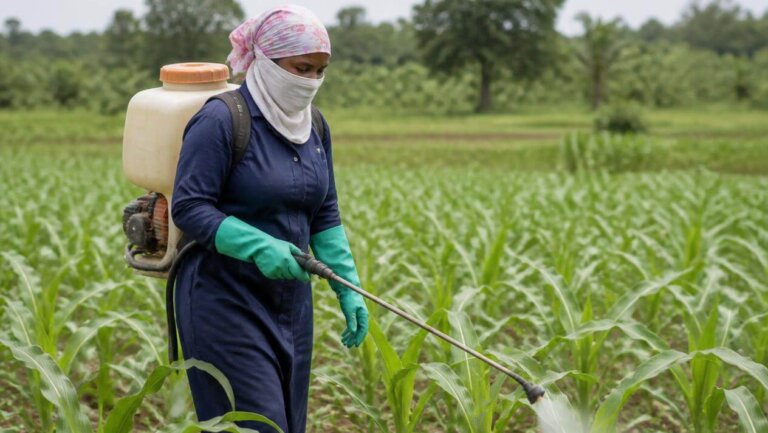
“Accurate diagnostics in crop protection form the cornerstone of effective pest and disease management, helping to reduce yield losses, which can reach 20–40% worldwide, while ensuring minimise chemical use and promoting ecological balance.”
Why Early Diagnostics Matter in Organic Agriculture
Organic agriculture is more than a method of farming, t’s a commitment to growing crops in harmony with nature. Without synthetic chemicals, organic farmers rely on natural solutions, cultural practices, and ecological balance to protect crops. In this system, early diagnostics of pests, diseases, and nutrient deficiencies becomes the cornerstone of success. Understanding what is happening in your field early on can mean the difference between a thriving, productive farm and significant yield losses.
Catching Problems Before They Escalate
In organic farming, waiting until damage is visible often come too late. By the time yellowing leaves, wilting stems, or damaged fruits appear, pests may have multiplied or diseases may have spread beyond control. Early diagnostics allow farmers to:
- Identify pests or pathogens in their initial stages.
- Detect subtle nutrient deficiencies or stress factors.
- Implement interventions before the problem affects the majority of the crop.
A typical example: Aphids may start as a few insects on the underside of leaves. Early detection allows for manual removal or the introduction of natural predators like ladybugs, preventing an outbreak that could devastate your harvest.
Reducing Dependence on Chemicals
One of the guiding principles of organic farming is minimizing chemical inputs. Accurate, early diagnostics support this by ensuring that interventions are:
- Targeted: You only address the specific problem identified.
- Effective: Using the right natural or cultural solution increases success rates.
- Sustainable: Avoiding blanket chemical applications protects beneficial insects, soil health, and the broader ecosystem.
For instance, a fungal infection detected early may be controlled with neem oil, copper-based organic fungicides, or improved field sanitation, rather than resorting to harsher chemical alternatives.
Supporting Sustainable and Cost-Effective Practices
Early diagnostics save time, money, and resources:
- Time: Quick identification prevents prolonged infestations or infections.
- Cost: Intervening early is usually cheaper than trying to salvage heavily infested or diseased crops.
- Resource Management: Reduces wastage of organic inputs, water, and labor.
By observing crops regularly and keeping detailed records, farmers can notice trends, predict potential outbreaks, and plan proactive measures instead of reacting to crises.
Promoting Healthy Ecosystems on the Farm
Organic agriculture relies heavily on ecological balance. Early diagnostics protect not just crops but the entire farm ecosystem:
Beneficial insects thrive: Early interventions reduce the need for disruptive measures that harm pollinators or predators.
Soil health is preserved: Avoiding unnecessary applications prevents the disruption of soil microbiota.
Biodiversity is supported: Targeted control measures maintain a diverse and resilient farm environment.
Example: Observing and identifying pest populations early allows you to introduce natural predators or companion plants, keeping pests in check without upsetting the ecosystem.
Tools and Practices for Effective Early Diagnostics
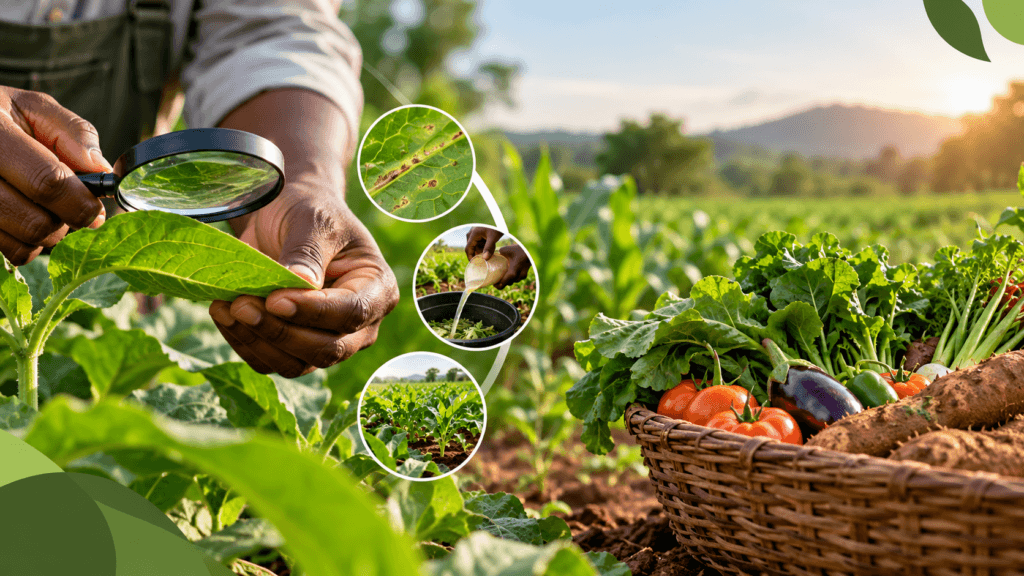
- Regular Scouting: Walk your fields frequently, inspecting leaves, stems, fruits, and roots. Look for discoloration, holes, wilting, or unusual growth patterns.
- Documentation: Keep a notebook or phone record with photos, dates, and observations to track the development of symptoms.
- Consultation: Use extension services, local agronomists, or online resources for accurate identification.
- Simple On-Farm Tools: Magnifying lenses, basic microscopes, or traps can help detect pests or fungal spores early.
- Proactive Cultural Practices: Rotate crops, practice intercropping, prune infected parts, and maintain proper field sanitation.
Local and Sustainable Solutions That Works
Once you know the problem, the next step is choosing effective, locally available solutions. These reduce dependency on chemicals, save costs, and promote ecological balance.
Cultural Practices
- Crop rotation: Rotating crops prevents the buildup of pests and soil-borne diseases.
- Proper spacing: Avoids overcrowding, which reduces humidity and disease spread.
- Pruning and sanitation: Remove diseased plant parts and fallen debris to limit infection sources.
Biological Control
- Beneficial insects: Ladybugs, spiders, and predatory wasps naturally control aphids, caterpillars, and other pests.
- Microbial agents: Certain fungi and bacteria can be used to suppress soil-borne pathogens.
Homemade and Local Remedies
- Neem extracts: Effective against aphids, mealybugs, caterpillars, and mites. Can be made as a simple spray from neem leaves or oil.
- Chili or garlic sprays: Repel soft-bodied insects like whiteflies.
- Ash application: Helps control certain pests and can improve soil pH slightly.
- Mulching: Conserves soil moisture, suppresses weeds, and reduces pest habitats.
Resistant Varieties
Planting disease-resistant or pest-tolerant varieties reduces losses and chemical dependence. For example, some tomato varieties resist common fungal diseases, while certain cassava varieties resist root rot.
In organic agriculture, prevention is always better than cure. Early diagnostics empower farmers to act proactively rather than reactively, helping maintain high yields, reduce costs, and protect the environment. By paying close attention to your crops, documenting changes, and applying local, sustainable solutions, you not only safeguard your harvest but also contribute to a healthier, more resilient farming ecosystem.
Ultimately, early diagnostics aren’t just a practice, they are a philosophy: a commitment to understanding your crops, respecting the ecosystem, and ensuring the long-term success of your farm.

Author: Iyiola Ayomide
Iyiola Ayomide is a certified organic farmer and a member of the Association of Organic Agriculture Practitioners of Nigeria. He is a passionate advocate for sustainable agriculture and resilient food systems. With a background in crop protection, he is committed to promoting environmentally responsible pest management and agroecological practices that protect soil health, biodiversity, and farmer livelihoods. His work emphasizes preventive approaches such as integrated pest management and organic solutions, while linking on-farm practices to broader food system outcomes