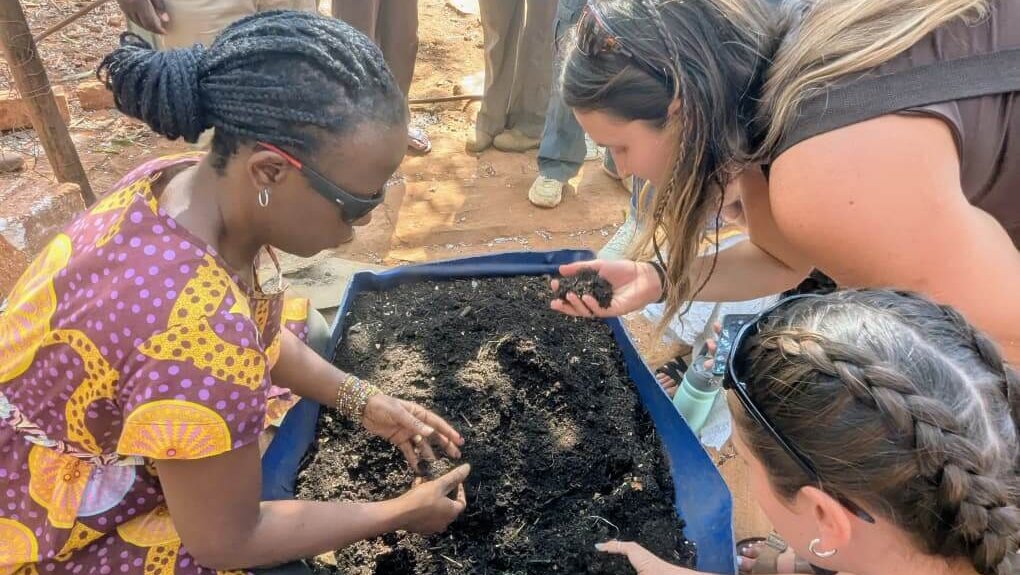
How to feed the life beneath your feet and grow healthier crops naturally
You have probably heard many times: “Healthy soil grows healthy crops.” Have you ever wondered why that is true or how to make it happen on your own farm without spending a fortune on synthetic fertilisers?
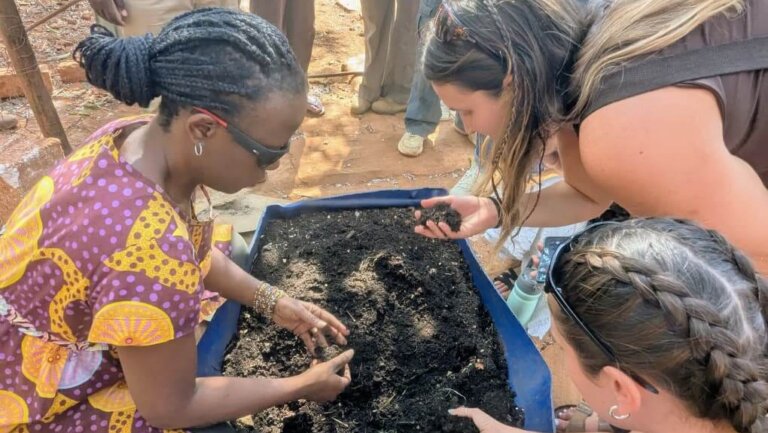
A single teaspoon of healthy soil contains more living organisms than there are people on Earth. Bacteria, fungi, earthworms and countless other creatures work day and night to turn dead plant material into plant food. When you manage your soil correctly, you are hosting a vibrant underground city.
This beginner’s guide will show you exactly how to feed, protect and build living soil using simple, affordable organic methods that have worked for generations for Southern African farmers.
You may have noticed the warning signs:
- Your maize leaves turn pale yellow no matter how much fertiliser you add.
- The ground becomes hard as cement after a light rain.
- Every season, you need to buy more chemicals to get the same yield.
These are classic symptoms of dead or dying soil. When we over-use synthetic fertilisers, burn crop residues, or leave the ground bare, we kill the very organisms that keep our soil fertile. The result? You become trapped in a costly cycle: buy more inputs, get lower yields and watch your topsoil wash or blow away.
Organic Soil Management Principles
Organic soil management follows one simple rule: feed the soil, not the plant. When you nourish the billions of organisms living in your soil, they reward you by:
- Breaking down organic matter into nutrients that plants can absorb.
- Creating glue-like substances that hold soil particles together (good structure).
- Building tiny tunnels that let air and water reach plant roots.
- Protecting your crops from pests and diseases naturally.
Let’s break down the five most powerful – and low-cost – techniques you can start using today.
-
Compost: Black Gold for Your Farm
Compost is decomposed plant and animal waste that looks like rich, dark, crumbly earth. You can make it from:
- Crop residues (maize stalks, bean vines)
- Animal manure (cattle, goats, poultry)
- Kitchen scraps (peelings, eggshells)
- Dry leaves and grass
How to use it: Spread 5 – 10 tons per hectare before planting, or apply a handful in each planting hole. Compost feeds soil microbes slowly and steadily, unlike synthetic fertilisers that wash away in one rain.
-
Cover Crops & Green Manure: Living Mulch
Cover crops are plants you grow specifically to improve the soil, not to harvest. Legumes like cowpeas, lablab, or sunn hemp are ideal because they:
- Pull nitrogen from the air and store it in their roots.
- Protect bare ground from erosion and the baking sun.
- Suppress weeds naturally.
How to use it: After harvesting your main crop, plant a fast-growing legume. When it reaches knee height (or before it sets seed), slash it down and either leave it as mulch or dig it into the top few centimetres of soil. This “green manure” feeds soil life.
-
Mulch: Your Soil’s Blanket
Mulch is any material you place on the soil surface to protect it. The best mulches are organic: dried grass, crop residues and leaves.
Why it works:
- Reduces water evaporation.
- Keeps soil cool, earthworms love that.
- Prevents hard crust from forming after rain.
- Slowly decomposes and adds organic matter.
How to use it: Spread a 5–10 cm layer around your crops, keeping mulch a few centimetres away from plant stems to prevent rot. In dry areas like Namibia or the Karoo, this single practice can mean the difference between harvest and hunger.
-
Crop Rotation: Outsmarting Pests and Building Soil
Planting the same crop in the same field year after year is a recipe for disaster. Pests build up, specific nutrients get depleted, and soil structure declines.
A simple 3-year rotation for maize farmers:
- Year 1: Maize (heavy feeder)
- Year 2: Cowpeas or groundnuts (adds nitrogen)
- Year 3: Sorghum or millet (uses less nitrogen, deep roots break compaction)
Why it’s organic gold: Different crops feed different soil organisms. Rotating breaks pest cycles naturally – no chemicals needed.
-
Minimise Tillage: Let Earthworms Do the Ploughing
Every time you run a disc harrow or plough, you slice through fungal networks, crush earthworms and expose soil organic matter to the sun, which burns it up as carbon dioxide.
Practical tip: Switch to “minimum tillage” or “rip and plant.” Use a chisel plough or even a hand-hoe to open a narrow furrow just where the seed will go. Leave the rest of the soil undisturbed. Over time, earthworms and roots will create natural channels for air and water.
Be Part of the Solution
The future of Southern Africa’s food system is in our hands.
Download Free Guide “Basic Production Principles” SAOSO/KHSA

Author: Rabecca Mwila
Rabecca Mwila is a passionate advocate for sustainable agriculture and environmental stewardship. With a background in climate change and communications, she has spent years telling the untold stories of the realities of climate change, environmental and climate injustices and how they affect vulnerable communities in Africa and beyond