As Africa strengthens its trade ties with China and the rest of the world, one question must be asked:
What makes African agriculture unique – and globally competitive?
The answer may lie beneath our feet.
Africa’s organic farming potential – rooted in indigenous knowledge, biodiversity, and sustainable land stewardship – is not only good for the planet, but also a powerful economic driver in a global food system increasingly hungry for clean, climate-friendly, and traceable food.
The Global Market Is Shifting Toward Organic
The global organic food market surpassed USD 150 billion in 2024 – and continues to grow.
Countries like China are seeing record-high demand for:
- Organic herbs and teas.
- Grass-fed, hormone-free meats.
- GMO-free grains and pulses.
As the world searches for healthier, safer and more sustainable food, African producers have a strategic edge – one that aligns with growing trade platforms like the China-Africa Economic and Trade Expo (CAETE).
Why Organic is Africa’s Competitive Advantage
Unlike industrial agricultural giants, much of Africa’s farming is already low-input, traditional and naturally organic. This gives the continent a unique head start.
Here’s what makes Africa stand out:
1. Indigenous Knowledge = Built-in Agroecology
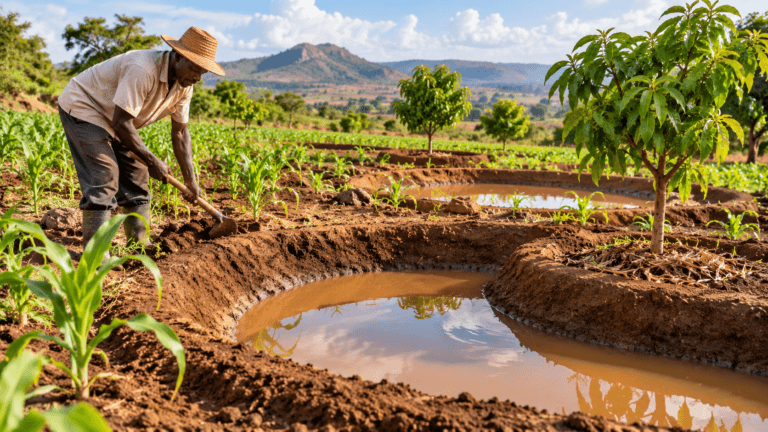
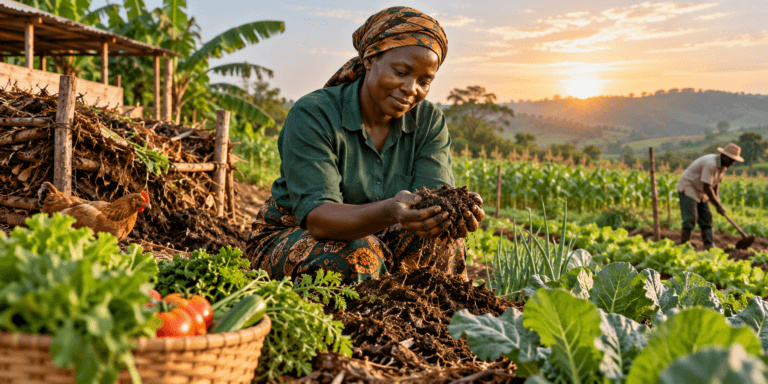
African farmers have long practiced intercropping, composting and seed saving – cornerstones of modern organic farming.
2. Chemical-Free by Default
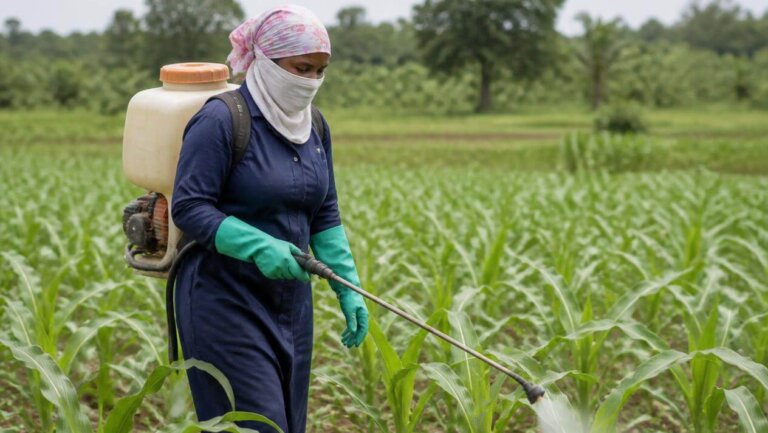
In many rural areas, farmers can’t afford synthetic pesticides and fertilisers. While this reflects inequality, it also means there is less chemical residue and a cleaner starting point for organic certification.
3. Rich Agro-Biodiversity
Africa is home to thousands of underutilized, climate-resilient crops like:
- Bambara nuts, cowpeas and sorghum.
- Wild herbs, roots and indigenous leafy greens.
These foods are nutritious, culturally rooted, and naturally adapted – ideal for growing with little to no chemical input.
4. Youth and Innovation
Africa’s growing youth population is increasingly tech-savvy, climate-conscious and drawn to entrepreneurship – making organic farming not just an ancestral practice but a future-forward business model.
How Sustainable Farming Can Power Future Trade
Now is the time to turn Africa’s organic advantage into real economic power.
Here’s how:
1. Brand Africa as a Green Food Source
Through CAETE and other trade expos, African governments and producers can brand themselves as:
“The Source of Clean, Ethical and Climate-Smart Food”
This opens access to premium markets where consumers are willing to pay more for:
- Namibian Organic Beef
- Southern Africa’s Compost-Grown Vegetables
- GMO-Free Southern African Cereals
2. Shift from Raw Exports to Organic Value-Added Products
Instead of exporting unprocessed maize or cotton, Africa can trade:
- Organic maize flour, herbal teas, essential oils and health snacks.
- Branded, packaged and certified products that command higher value.
This supports rural jobs, youth entrepreneurship and gender inclusion in agri-processing.
3. Use Trade Platforms to Fund Certification & Capacity
Through trade deals, governments and partners can invest in:
- Participatory Guarantee Systems (PGS) for affordable, farmer-friendly certification.
- Organic cooperatives and training hubs.
- Market intelligence tools to help smallholders align with export trends.
What We Must Do Now
Africa has what the world wants: clean, ethical climate-resilient food.
But to turn this competitive edge into a continental strategy, we must:
- Include organic agriculture in all trade negotiations – especially at platforms like CAETE.
- Invest in local certification and value chains.
- Promote African-grown organic products with pride.
Because the future of African agriculture is not just about producing more – it’s about producing better.
Download the knowledge piece below for more information on why organic food is better.


Author: Rabecca Mwila
Rabecca Mwila is a passionate advocate for sustainable agriculture and environmental stewardship. With a background in climate change and communications, she has spent years telling the untold stories of the realities of climate change, environmental and climate injustices and how they affect vulnerable communities in Africa and beyond