El Nino took its toll on Southern Africa, but now the skies are showering the region with abundant rain, and the yield has improved significantly. El Niño is a natural climate phenomenon that occurs when ocean temperatures in the central and eastern tropical Pacific Ocean become unusually warm. This warming disrupts normal weather patterns around the world with southern African experiencing droughts and reduced rainfall, hurting crops and water supply.
The most recent UN Hunger report gives good news; countries previously on the report list like Lesotho, Malawi, Mozambique, Namibia, Zambia and Zimbabwe have seen positive results and have been removed from the report. Zambia, for example, is now boasting a maize harvest of more than 3.6 million.
A more pressing question however, pops up for aspiring agriculturalists: How do we ensure that this food security is sustained and is not just a brief moment in time?
El Niño is expected to return, which makes the situation even more challenging. Still, crops must be prepared to thrive in the long term not just to survive.
Coping strategies, no matter how sophisticated they are, will not help if there are no resources dedicated to adaptive and resilient infrastructure. Organic systems and regenerative practices offer the capacity to shift entire systems from reactive to increasingly proactive.
It is about doing more than waiting for the rains to come (or not come); it is about working towards a future where our farms are more resilient, productive and stronger. This is the point where the organic solution offers sustained, powerful answers.
The knowledge product “Think Before You Eat! Think Namibian Organic!” found on KCOA Africa website gives deep captures into how these food security gains can be preserved for future generations.
Here is an outline on how these organic principles can reshape your Southern African farm.
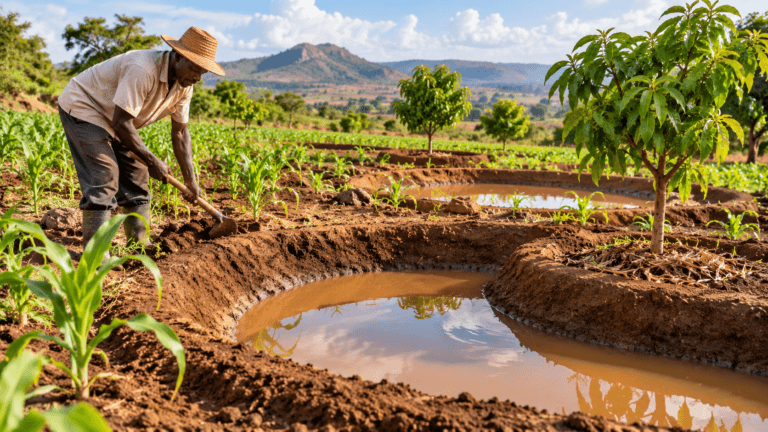
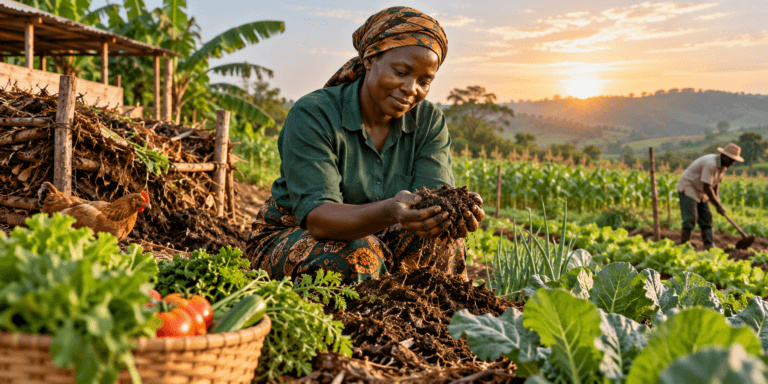
Boost Your Soil’s Water Storage Efficiency: Do you recall the severe droughts? Remember the threat posed by prolonged drought periods? Organic farming strategies such as compost application and other crop husbandry practices increase the soil’s ability to absorb and retain rainfall significantly.
In addition, row crops and residue management make it easy to capture and accumulate water through runoff and soil moisture.
Transform Your Farm Into a Carbon Sink: Aside from water, organic farming sequesters more carbon in the soil than conventional farming. This is a win-win. It benefits the environment, but also yields extraordinary advantages for your farm as well. Soil with high amounts of carbon is fertile, well-structured and enhances root growth which leads to strong and healthy crops and increased yields year after year.
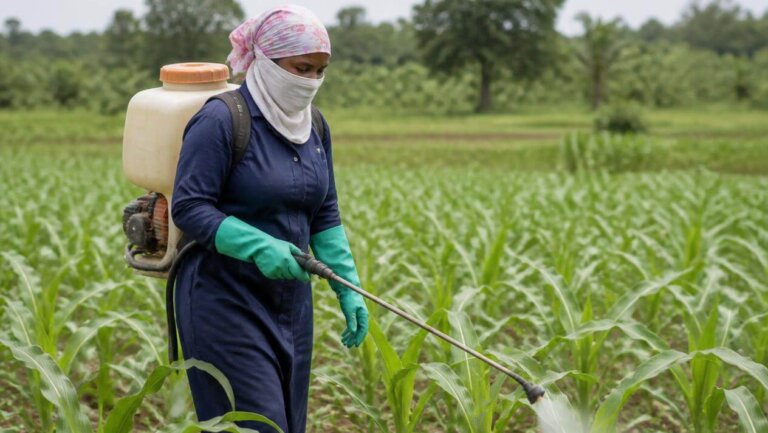
Farms Defend and Diseases Cultivate Resilience from the Ground Up: As a result of the focus on biodiversity and ecological processes, organic farms are able to naturally strengthen defenses against pests and diseases, therefore reducing the need for expensive chemical inputs. Healthier crops and lower input costs all lead to a more stable farming operation.
Use of locally adapted seeds is embraced: Adapted local seeds that are more able to withstand changing local conditions are encouraged within organic agriculture. These varieties offer an additional layer of protection to the region’s climate hazards, which is helpful in light of the unexpected weather phenomena.
Integrating these organic practices allows you to not only hope for good rains but gives you the ability to actively withstand shocks, maintain steady harvests and build enduring food security for your family and community.

Author: Rabecca Mwila
Rabecca Mwila is a passionate advocate for sustainable agriculture and environmental stewardship. With a background in climate change and communications, she has spent years telling the untold stories of the realities of climate change, environmental and climate injustices and how they affect vulnerable communities in Africa and beyond