From Hunger Hotspot to Drought Recovery
Just one year ago, Zambia was recovering from the effects of a scorching El Niño-induced drought, which slashed maize production and left millions vulnerable to food shortages and inflation. El Niño is a natural climate phenomenon that occurs when ocean temperatures in the central and eastern tropical Pacific Ocean become unusually warm. This warming disrupts normal weather patterns around the world with southern African experiencing droughts and reduced rainfall, hurting crops and water supply.
The country was even listed among the UN’s Hunger Hotspots, a status indicating high risk of acute food insecurity.
For many smallholder farmers, the future looked bleak. Dried fields, failed crops, empty granaries and rising prices in the market. Nevertheless, in 2025, something changed.
According to the UN’s latest Hunger Hotspots report, Zambia has been removed from the crisis list after reaping a record maize harvest of over 3.6 million tonnes, more than double last year’s yield.
This unexpected “maize miracle” offers a powerful lesson in resilience and recovery. It also provides an opportunity for farmers, policymakers and agroecological networks to build lasting food security, starting from the soil up.
Why This Harvest Is a Game-Changer and What is Behind It
1. Favourable Rainfall – But Also Better Farming Practices
While better rainfall played a part, many farmers turned to sustainable practices rooted in organic agriculture to rebuild their yields:
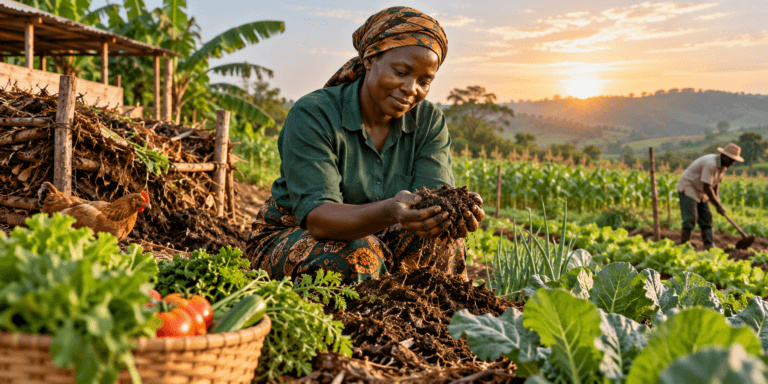
- Compost and manure replaced costly chemical fertilisers.
- Companion planting and crop rotation helped restore depleted soils.
- Legume intercropping (e.g., cowpeas, beans) naturally fixed nitrogen in the soil and boosted maize growth.
2. Organic Methods Strengthen Soil and Resilience
Farmers who invested in:
- Soil-building practices like mulching and biochar,
- Agroforestry and drought-tolerant crops,
- GMO-free seeds and composting techniques,
reported better plant health, fewer pest attacks and improved moisture retention during the planting season – all key to surviving future climate variability.
3. Knowledge Sharing Through Agroecological Networks
Organisations like PELUM Zambia, Kusamala and SFHC helped spread:
- Participatory learning through field schools and demo plots.
- Access to indigenous knowledge and community seed banks.
- Peer-to-peer training on natural pest control and organic fertiliser making.
This farmer-to-farmer approach helped scale up resilience rapidly and affordably.
From Recovery to Resilience – What Should Happen Next?
Zambia’s record harvest is more than good news, it’s a second chance.
To keep this momentum, Zambia and other Southern African nations must act now to:
1. Scale Up Organic Farming and Agroecology Support
- Expand access to affordable organic certification (e.g., PGS).
- Fund local compost hubs and legume seed distribution.
- Support research and training in regenerative agriculture.
2. Invest in Soil Health as a National Strategy
Treat soil restoration as a core pillar of food security.
Incentivise farmers who use agroecological practices and help build soil carbon and fertility.
3. Build Local Organic Markets and Trade Readiness
Encourage consumption and export of GMO-free, organic maize-based products, like:
- Organic maize meal,
- Popcorn snacks,
- Animal feed and
- Health foods for China and other export markets.
4. Use This Harvest to Strengthen Local Food Systems
Do not just export surplus maize. Use it to:
- Feed communities,
- Stabilise prices and
- Fund youth-led processing ventures that add value.
A Harvest of Hope and a Soil-Based Future
Zambia’s record maize harvest is a sign that resilience is possible and that the solutions are already in the hands of farmers.
By investing in organic, agroecological, and climate-resilient farming, Zambia is not just growing maize – it’s growing a new model of food security for Southern Africa.
Download the sustainable organic agriculture manual by Kasisi Agriculture Training Centre for more details on organic agriculture and agroecology.


Author: Rabecca Mwila
Rabecca Mwila is a passionate advocate for sustainable agriculture and environmental stewardship. With a background in climate change and communications, she has spent years telling the untold stories of the realities of climate change, environmental and climate injustices and how they affect vulnerable communities in Africa and beyond