For many communities living beside lakes and rivers, the sight of large, floating mats of water hyacinth can feel like a relentless problem. Thick, green, glossy leaves carpet the water’s surface, blocking sunlight, reducing oxygen levels, and threatening fish life. Fisherfolk worry, swimmers complain, and ecosystem health falters.
But what if this same troublesome plant could be transformed into a powerful, natural ally for farmers and gardeners?
Today, water hyacinth is being rediscovered not as a nuisance, but as a dependable and easily accessible source of organic liquid fertilizer that empowers sustainable agriculture and ecological balance.
Why Water Hyacinth is Worth a Second Look
Water hyacinth grows fast and abundantly in nutrient-rich waters often too fast. But this rapid growth isn’t just a problem; it’s a resource:
1. Free and Easily Accessible
Wherever water hyacinth proliferates, it’s available in huge quantities, no need to purchase expensive raw materials. Communities living near infested water bodies already have the raw resource on their doorstep.
2. Nutrient-Rich Biomass
Water hyacinth is packed with organic matter, nitrogen, potassium, and micronutrients all essential ingredients for fertile soil and vigorous plants.

3. Helps Reduce Organic Waste
Instead of burning or disposing of harvested hyacinth, turning it into liquid fertilizer gives it new purpose reducing waste and improving soil health.
4. Eco-Friendly Cycle
Using water hyacinth to feed soil closes the loop: it removes excess biomass from waterways and returns nutrients to the earth without toxic chemicals.
5. Boosts Soil Microbiology
When properly fermented into liquid fertilizer, water hyacinth helps stimulate beneficial soil microbes that improve nutrient uptake and plant resilience.
Benefits of Water Hyacinth Liquid Fertilizer
✔ Increased leaf size, flower production, and fruit yield
✔ Improved soil structure and moisture retention
✔ Reduced dependency on synthetic fertilizers
✔ Lower input costs for smallholder farmers
✔ Can be tailored for different crops (vegetables, cereals, flowers)
Unique Ways to Apply Water Hyacinth Fertilizer
This isn’t just “dump and go” fertilizer, here are creative, practical uses:
1. Foliar Spray
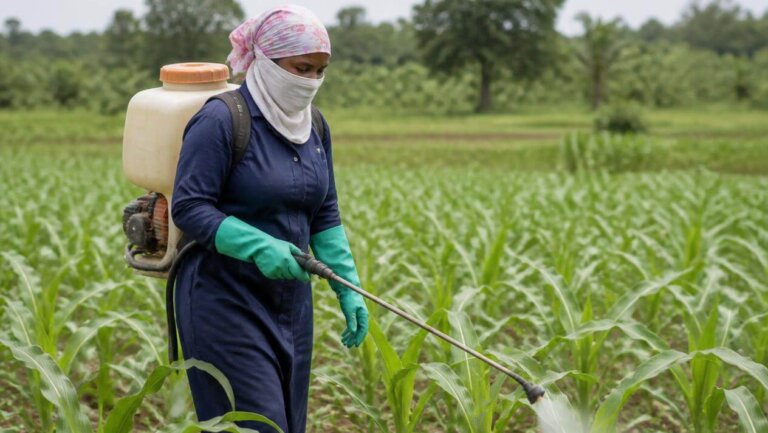
Dilute the concentrated liquid fertilizer with water (e.g., 1:20 ratio) and spray directly onto leaves early in the morning or late afternoon. This helps plants absorb nutrients through their leaves.
2. Seedling Starter Boost
Water young seedlings with a weak solution (1:30 ratio). The gentle nutrients help strengthen early growth.
3. Compost Accelerator
Pour liquid fertilizer over compost heaps to speed decomposition. Water hyacinth fertilizer infuses beneficial microbes that break down materials faster.
4. Soil Drench
Apply around established plant roots (again diluted) to boost soil fertility and microbial activity directly where it matters most.
5. Integration with Poultry & Livestock
Some farmers also mix the fermented solution into chicken feed or use soaked water hyacinth as supplemental forage. The fermented fertilizer process makes nutrients more digestible while reducing anti-nutritional compounds adding value beyond the field.
Turning an Environmental Challenge Into Opportunity
Yes, water hyacinth has earned a reputation for harming fish populations, blocking water flow, and creating oxygen-deprived zones. But as communities learn to harvest it purposefully, that very growth becomes an opportunity.
Instead of watching hyacinth clog waterways, farmers and gardeners can harvest it intentionally turning a local challenge into a sustainable solution that feeds soil, reduces costs, and supports ecological awareness.
Resources for more infomation ‘


Meet a farmer who makes fertilizer from water hyacinthhttps://biznakenya.com/meet-a-farmer-who-makes-fertilizer-from-water-hyacinth/
Water hyacinth may have been introduced accidentally but today, it can be part of an intentional, regenerative future. With a bucket, a fermentation barrel, and this overlooked plant, farmers and gardeners alike can harness nature’s own fertilizer clean, green, and growing everywhere.
Have you tried making or using water hyacinth fertilizer?
Share your experience did it help your plants thrive or solve an infestation? Let’s start a conversation!

Author: Pamella Magino
Ms. Magino Pamella joined PELUM Uganda on 1st Oct 2021 as Communications Officer for the KCOA-KHEA project. With 9+ years in Communications and Marketing, she specializes in Public Relations, Business Development, and Marketing. Pamella holds a Bachelor’s in Mass Communication (Public Relations) and is a Certified Member of PRAU. She has worked with organizations like The Nile Basin Initiative and Victoria University Kampala, crafting strategies that drive positive change