Youth at the Heart of Organic Agriculture: Building Africa’s Next Generation of Health Champions
Africa’s future is in the hands of its youth. With over 60% of the population under the age of 25, the continent holds the world’s youngest population; energetic, innovative, and full of potential. Yet, many young Africans face unemployment, underemployment, and limited access to meaningful opportunities. One powerful and often overlooked solution lies in organic agriculture; a way of life that promotes health, sustainability, and community wellbeing. When youth take the lead in this sector, they are not just producing food; they are building healthier nations and creating lasting change.
The Link Between Youth, Agriculture, and Health
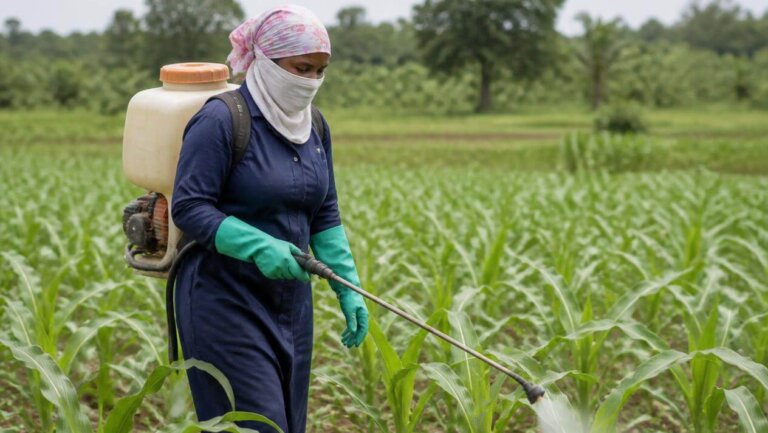
Agriculture remains the backbone of Africa’s economy, employing more people than any other sector. However, conventional farming practices often involve harmful pesticides and synthetic fertilizers that threaten both environmental and human health.
By choosing organic farming, young farmers can:
• Reduce exposure to harmful chemicals for themselves and consumers.
• Preserve soil fertility for future generations.
• Provide fresh, nutritious, and chemical-free food that strengthens community health.
In this way, youth-led organic agriculture directly addresses public health challenges, from malnutrition to pesticide-related illnesses.
Why Youth Are Key to the Future of Organic Farming
1. Innovation and Technology: Young people are quick to adopt modern tools, from mobile apps that track soil health to social media platforms that market organic produce.
2. Energy and Creativity: Organic farming requires commitment, experimentation, and new ideas qualities that young farmers naturally bring.
3. Long-Term Vision: By starting early, youth can invest in the soil, build their brands, and shape the future of Africa’s food systems.
4. Peer Influence: Youth can inspire their peers to see farming not as a “last resort” but as a respected and profitable career.
Stories of Change
Across Africa, there are inspiring examples of young people transforming their communities through organic agriculture:
In Uganda, young farmers’ cooperatives are growing organic vegetables for local schools, improving children’s diets.
In Nigeria, youth-led agribusinesses are producing organic herbs and medicinal plants, linking agriculture with natural health solutions.
In Kenya, tech-savvy young farmers are using drones and data analytics to monitor crops without harmful chemicals.
These stories show that when youth embrace organic farming, the benefits ripple out improving health, creating jobs, and protecting the environment.
Building the Next Generation of Health Champions
To place youth at the heart of organic agriculture, we must:
Provide training and mentorship – Equip young farmers with both technical and business skills.
Offer access to land and finance – Many young people have the passion but lack resources to start farming.
Promote success stories – Changing the narrative about farming is key to attracting more young people.
Integrate health education – Teach young farmers about the link between what they grow and the health of their communities.
Conclusion
When Africa’s youth choose organic farming, they are not just going to be feeding people; they will be healing the land and the body. They will become health champions, climate protectors, and economic drivers.
The future of African food systems depends on bold, visionary young people who see the farm as a place of innovation, opportunity, and transformation. Investing in them is not just good for agriculture; it is a commitment to a healthier, stronger Africa.

Author: Olusola Oludayo Sunday
Sunday Olusola Oludayo is an agriculture extensionist, health practitioner, and passionate advocate of organic and sustainable farming. She promotes agroecology as a pathway to healthier communities and resilient food systems. Through her work, she blends practical agricultural knowledge with health awareness to inspire positive change across Africa