In Africa, organic farming is doing something amazing and not just growing food, but nurturing communities, the land, and our future. This isn’t about flashy tech; it’s about smart, time-tested farming that’s affordable, healthy, and earth-friendly.
Organic farming works with nature, using methods like composting, crop rotation, cover crops, and intercropping, all things farmers have practiced for generations. These approaches help keep soils rich, fight pests naturally, and avoid costly chemicals. For example, farmers may grow legumes one season and grains the next to rebuild nutrients in the soil with no synthetic fertilizers needed. They also mix crops like; maize, beans, and squash so each plant supports the others, boosting biodiversity and resilience Farmonaut®Agriculture Institute.
Here are some concrete organic farming practices that are making a real difference:
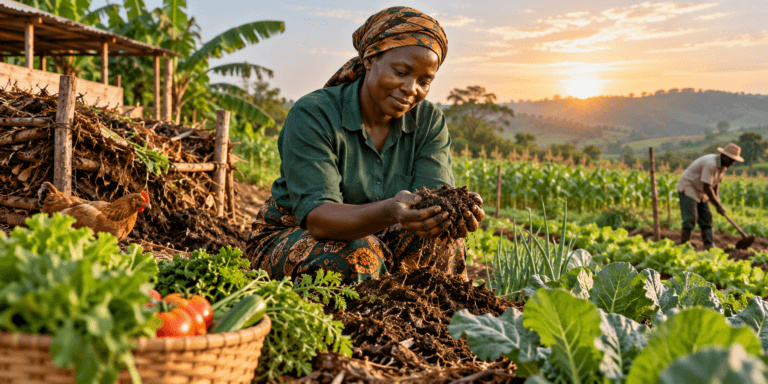
- Composting and Green Manure: Turning plant scraps and animal waste into nutrient-rich compost keeps soils healthy and full of life NurdunyaAgriculture Institute.


- Mulching: Covering soil with organic materials (like leaves or straw) to retain moisture, control weeds, and improve soil health.

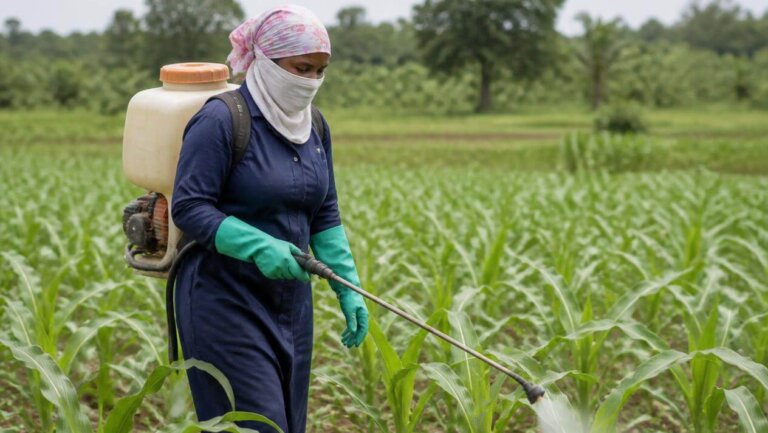
- Biological Pest Control: Instead of pesticides, organic methods use natural predators—like ladybugs—and plant-based treatments such as neem oil to protect crops Farmonaut®The Spruce Eats.

- Integrated Pest Management & Mechanical Weed Control: Techniques like soil cultivation, mulching, and hand-weeding keep fields clean—without harsh chemicals shraaz.comthefarminginsider.com

- Agroforestry and Mixed Farming: Blending trees, crops, and sometimes livestock helps restore balance—while giving farmers both shade and income options Farmonaut®Wikipedia.


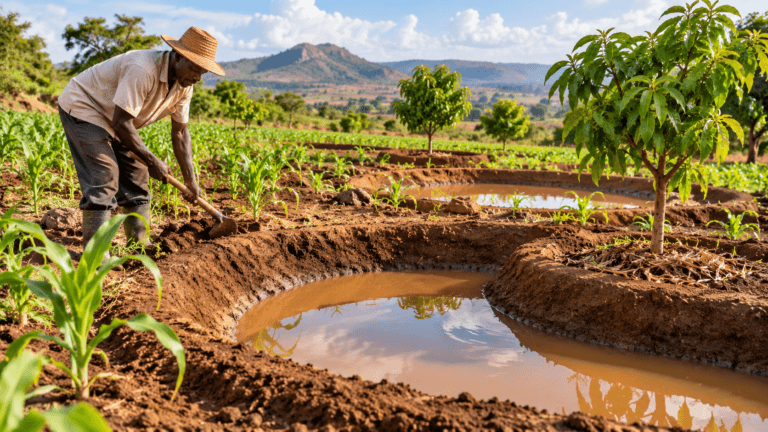
- Water‑wise Techniques: Practices like rainwater harvesting and drip irrigation stretch precious water supplies during dry spells thefarminginsider.comnotesforag.com.

These practical steps don’t just protect our environment—they also uplift farmers and communities. Organic farming nurtures soil, delivers safer food, and supports healthier livelihoods.
To dive deeper, PELUM Kenya, under the KCOA‑KHEA Project, has put together a clear and easy-to-use resource: a flyer titled “7 Reasons to Go Organic.” It’s a great tool for anyone – farmers, educators, or people squeezing health and sustainability into their every day.
🔗 Grab the Knowledge Product here documented by PELUM Kenya on the KCOA-KHEA Project:

Disclaimer:
– To learn about the KCOA Project: https://kcoa-africa.org/
– To learn about the KHEA Project: https://khea-africa.org/
– For more details on this article, please reach out to pmagino@biovisionafrica.org
– See the license statement of all KCOA content: https://kcoa-africa.org/license-statement/ , which applies to all content from hubs implementing the KCOA project.
Blog story Prepared by; Pamella Magino (KHEA Communications Officer-PELUM Uganda and Biovision Africa Trust)
Edited, reviewed, and uploaded by Magino Pamella-KHEA Communications Officer-PELUM Uganda and Biovision Africa Trust Kenya.

Author: Pamella Magino
Ms. Magino Pamella joined PELUM Uganda on 1st Oct 2021 as Communications Officer for the KCOA-KHEA project. With 9+ years in Communications and Marketing, she specializes in Public Relations, Business Development, and Marketing. Pamella holds a Bachelor’s in Mass Communication (Public Relations) and is a Certified Member of PRAU. She has worked with organizations like The Nile Basin Initiative and Victoria University Kampala, crafting strategies that drive positive change