Empowering Communities Through Briquette Production: Jacinta Abiambo’s Story with Makwangla Women Group
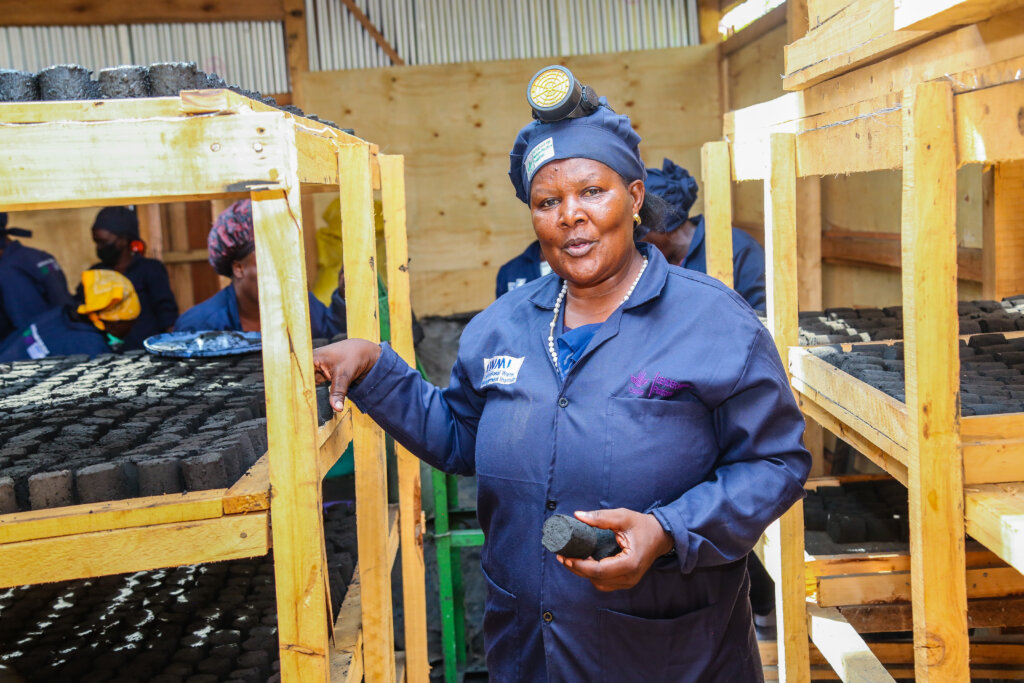
Jacinta’s story is a testament to how grassroots efforts can drive meaningful change, empowering communities while preserving the environment for future generations.
Growing Healthier Homes Through Organic Agriculture
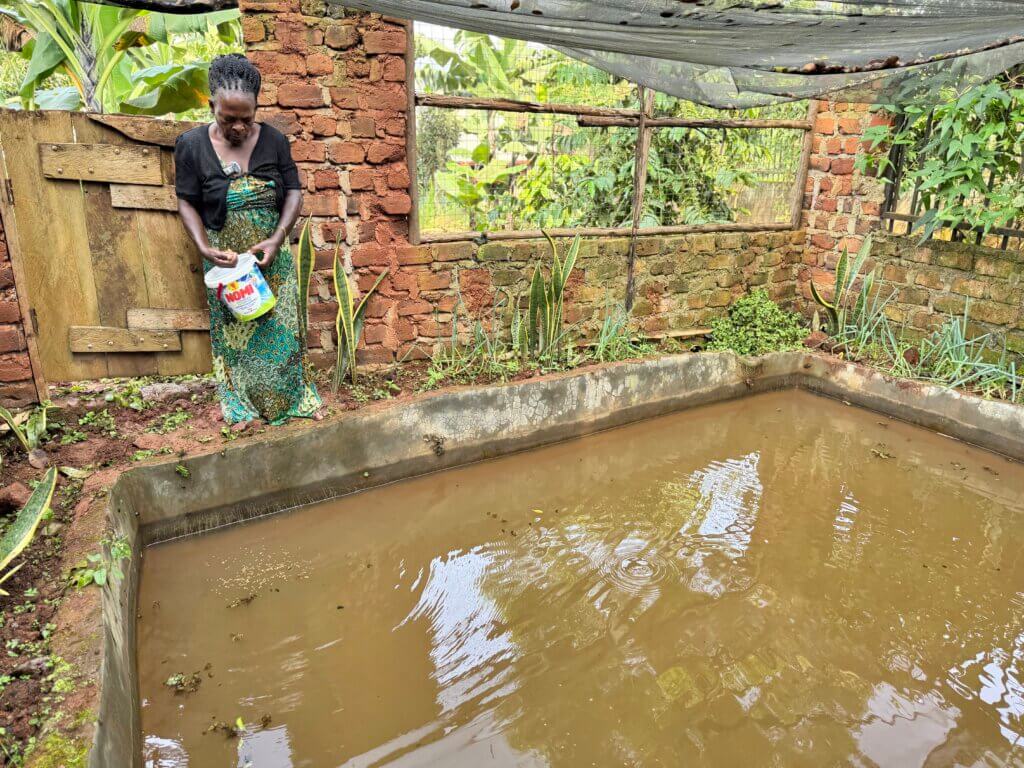
Through KHEA multiplier training, Joy Katabaire empowered farmers to establish organic home gardens, improve nutrition, and reduce chemical exposure.
From Master Trainer to Community Learning: Scaling Organic Agriculture Through Knowledge
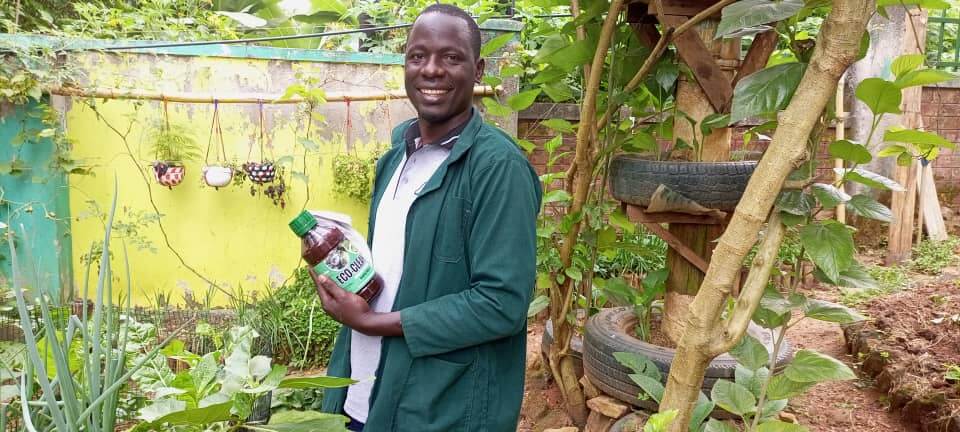
Knowledge has the power to transform agricultural systems when it is shared, adapted, and passed from one community to another.
What begins as training can become transformation when farmers embrace agroecology as a pathway to sustainable success

Knowledge shared, skills applied, lives transformed,one farmer’s agroecology journey is creating lasting change beyond the farm
From Knowledge to Innovation: How Julius Echodu is Advancing Agroecology in Uganda’s Teso Region

KHEA Multiplier Julius Echodu transforms agroecology knowledge into innovations supporting resilient farming and community livelihoods in Uganda.
A Guide on Biodiversity-Enhancing Agricultural Practices

In 2025 the Global Risks Report of the World Economic Forum noted that progressing biodiversity loss will have “severe consequences for the environment, humankind and economic activity due to destruction of natural capital stemming from species extinction or reduction, spanning both terrestrial and marine ecosystems.” Despite this, biodiversity continues to decline at an alarming rate. […]
When the World Goes Quiet, Bees Keep It Alive: Celebrating World Bee Day 2026

Every bite of food we eat has a hidden story and at the center of that story are bees.
DID YOU KNOW? Plant Health is the Hidden Foundation of Food Security and Climate Resilience?

Healthy plants are not optional,they are essential. Commemorating the International Day of Plant Health – 12 May
Grown Organically in a Semi-Arid Landscape: Yohana’s Tomato Success Story in Dodoma

Organic tomato farming thrives in Dodoma’s semi-arid climate using affordable, sustainable and natural methods.
From Training to Transformation: How Samuel Nderitu is Growing Hope Through Agroecology

From degraded clay soil to a thriving agroecology hub transforming livelihoods through innovation and training.