Did you know that up to 40% of global food crops are lost annually due to plant pests and diseases, according to the Food and Agriculture Organization of the United Nations (FAO)?
This staggering loss highlights a silent but critical challenge facing global food systems plant health.
The International Day of Plant Health (12 May), as recognized by FAO and the international community, reminds us that protecting plant health is essential for food security, ecosystem stability, and sustainable development.
According to FAO, healthy plants are the foundation of life on Earth, as they support food production, biodiversity, rural livelihoods, and global trade (FAO, Plant Health materials, 2020–2024).

In photo: KHEA Multiplier inspecting his agroecological farm. Healthy plants are essential for food security, nutrition, and resilient food systems.
What is Plant Health?
Plant health refers to the ability of plants to grow, reproduce, and withstand pests, diseases, and environmental stressors in a sustainable ecosystem.
It is not only about preventing disease, but about strengthening the entire agroecosystem, including:
- 🌿 Healthy and living soils
- 🐞 Natural pest regulation systems
- 💧 Balanced nutrient and water cycles
- 🌾 Agroecological farming practices
- 🌍 Reduced chemical dependency
FAO emphasizes that plant health is central to achieving the Sustainable Development Goals (SDGs), particularly:
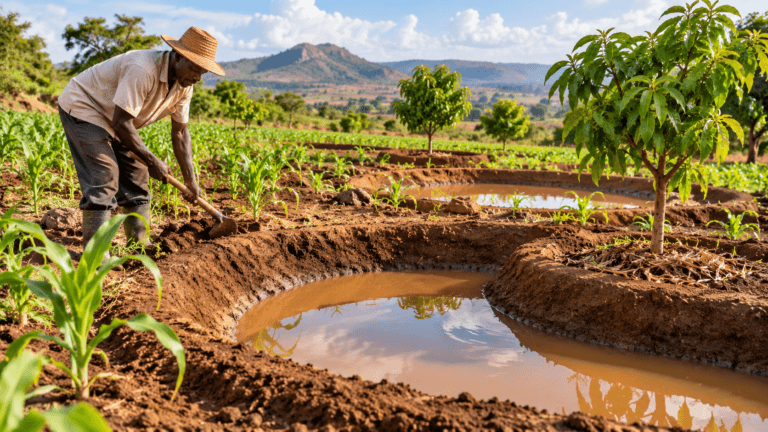
 In photo: Embracing environmentally friendly farming practices
- SDG 2: Zero Hunger
- SDG 12: Responsible Consumption and Production
- SDG 13: Climate Action
Why Plant Health Matters (FAO Perspective)
The Food and Agriculture Organization (FAO) highlights that plant health is critical because it:
- Ensures global food security
- Protects biodiversity and ecosystems
- Prevents spread of invasive pests and diseases
- Safeguards farmer livelihoods and international trade
- Strengthens climate resilience in agriculture
FAO further warns that plant pests and diseases are increasing due to climate change, global trade expansion, and ecosystem disruption, making proactive plant protection more urgent than ever.
Agroecology: Nature-Based Solutions for Plant Health
Through the KCOA–KHEA Knowledge Platform, agroecology provides sustainable, low-cost, and environmentally friendly solutions to strengthen plant health while reducing reliance on synthetic chemicals.
- Biological and Agroecological Plant Protection
Biological plant protection uses natural enemies, botanical extracts, and ecological balance to manage pests and diseases sustainably.

👉 Knowledge Product:
https://kcoa-africa.org/wp-content/uploads/2025/09/Biological_agroecological-plant-health-protection.pdf

In photo: KHEA Trained Farmer pest scouting
- Compost Tea: Strengthening Soil and Plant Immunity
Compost tea is a microbial-rich liquid solution that enhances soil fertility and strengthens plant resistance to disease.
It works by:
- Increasing beneficial soil microorganisms
- Suppressing soil-borne pathogens
- Improving nutrient availability and uptake

👉 Knowledge Product:
https://kcoa-africa.org/wp-content/uploads/2024/04/Compost-tea.pdf
3. Fermented Biofertilisers for Soil and Crop Health
Fermented biofertilisers improve soil biological activity and enhance plant resilience while reducing dependence on chemical fertilizers.
They:
- Improve nutrient cycling
- Enhance plant growth and vigor
- Strengthen soil microbial ecosystems

👉 Knowledge Product:
https://kcoa-africa.org/wp-content/uploads/2024/08/KATC-Poster_LiquidBio.pdf
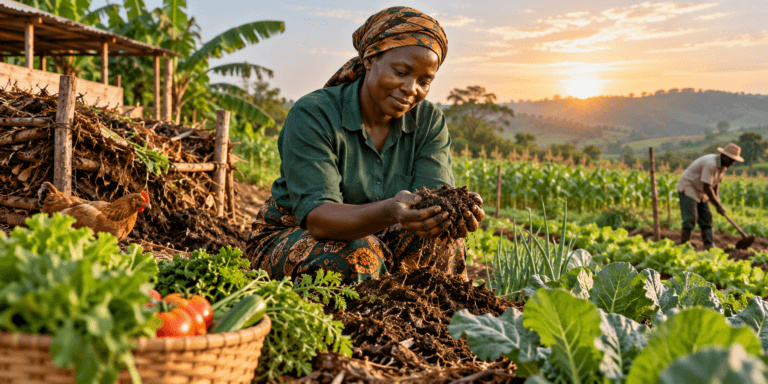
 In photo: Biofertiliser production
4. Ecological Pest and Disease Management in Vegetables
Integrated ecological approaches help farmers manage pests and diseases while ensuring food safety and environmental protection.
 In photo: Pest monitoring and management activity
- Papaya Leaf-Based Natural Fungicide
Papaya leaves can be used to prepare natural fungicides that help control plant diseases while preserving soil health and biodiversity.

👉 Method:
https://kcoa-africa.org/wp-content/uploads/2025/09/Fongicide-a-base-de-feuille-de-papayer.docx
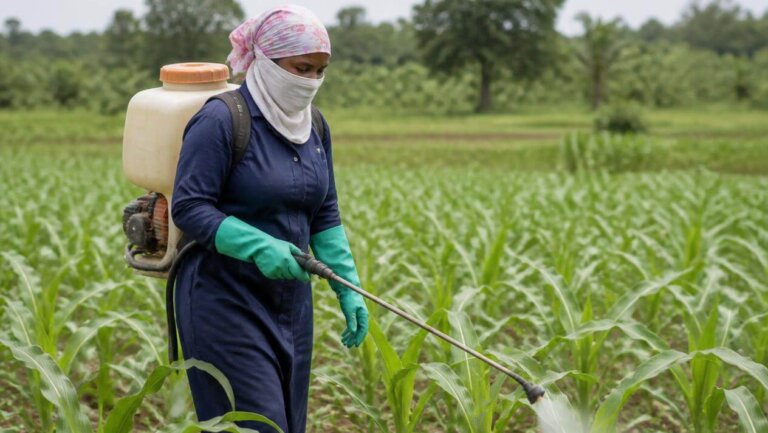
 In photo: Preparation of bio pesticides -ingredients
Did You Know?
A single gram of healthy soil can contain up to one billion beneficial microorganisms, which naturally protect plants from diseases and support nutrient cycling—making soil the first line of defense in plant health systems.
Call to Action
As we commemorate the International Day of Plant Health, FAO and global partners urge us to:
- Promote agroecological and biological plant protection methods
- Invest in soil health restoration
- Strengthen farmer knowledge and extension systems
- Reduce dependency on harmful synthetic pesticides
- Scale up knowledge sharing through platforms like the KCOA Digital Knowledge platform
By protecting plant health, we protect food systems, ecosystems, and future generations.
 In photo; Sustainable agriculture begins with empowered farmers&thriving local knowledge systems. KHEA Multiplier trains farmers on best farming practices
References
- Food and Agriculture Organization of the United Nations (FAO). Plant Production and Protection Division.
https://www.fao.org/plant-production-protection/en/ - FAO (2020). International Year of Plant Health Resources.
https://www.fao.org/plant-health-2020/en/ - FAO (2023–2024). Plant Health and One Health Framework.
https://www.fao.org/one-health/areas-of-work/plant-health/en/ - KCOA–KHEA Knowledge Products (2024–2025). Agroecology and Plant Health Resources.
https://kcoa-africa.org/
They are the foundation of food security, nutrition, climate resilience, and sustainable development.

Protect plant health today for a more resilient tomorrow.
Disclaimer:
– To learn about the KCOA Project: https://kcoa-africa.org/
– To learn about the KHEA Project: https://khea-africa.org/
– For more details on this article, please reach out to pmagino@biovisionafrica.org
– See the license statement of all KCOA content: https://kcoa-africa.org/license-statement/ , which applies to all content from hubs implementing the KCOA project.

Author: Pamella Magino
Ms. Magino Pamella joined PELUM Uganda on 1st Oct 2021 as Communications Officer for the KCOA-KHEA project. With 9+ years in Communications and Marketing, she specializes in Public Relations, Business Development, and Marketing. Pamella holds a Bachelor’s in Mass Communication (Public Relations) and is a Certified Member of PRAU. She has worked with organizations like The Nile Basin Initiative and Victoria University Kampala, crafting strategies that drive positive change