For as long as I can remember, I’ve been a farmer. My little kitchen garden has always been my pride and joy, providing food for my family. For years, I used conventional farming methods because, well, that’s what everyone did. I relied on chemical fertilizers and pesticides to grow my vegetables—kale, cabbages, and tomatoes. At first, it seemed like the right thing to do. My vegetables were big and beautiful, and I felt proud.
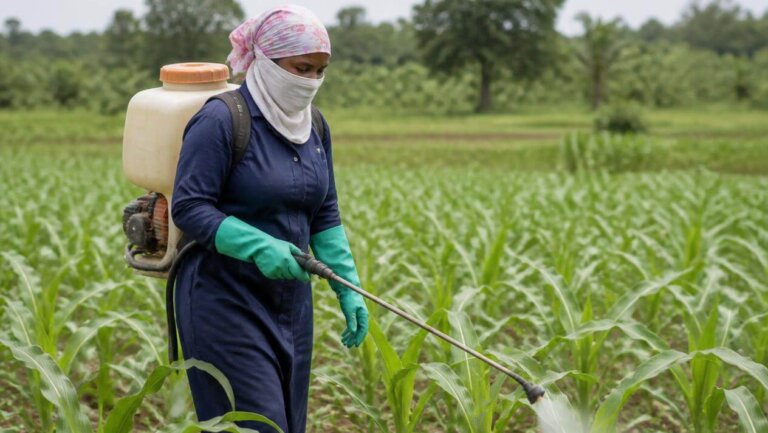
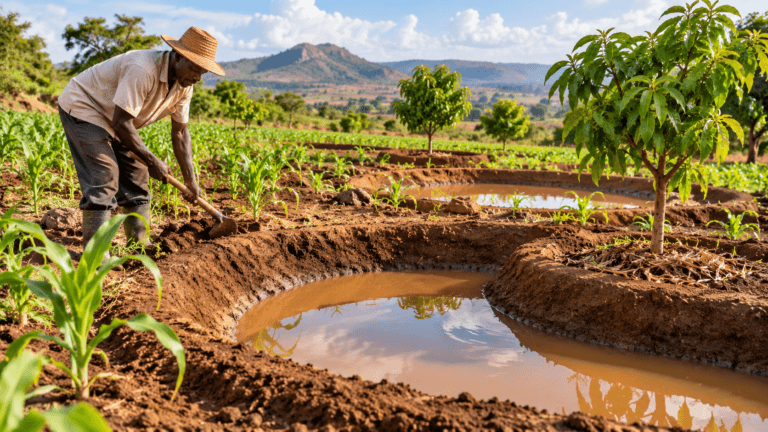
But things began to change. The soil started to lose its strength, and no matter how much fertilizer I added, my crops just didn’t thrive like before. Pests became a nightmare, immune to the chemicals I sprayed. And the rains… oh, the rains! They became unpredictable, sometimes too much, sometimes too little. My garden was struggling, and so was I.
Youth Action for Rural Development (YARD) an organization at our locality, have been teaching farmers how to grow crops using organic methods. To be honest, I wasn’t sure it would work, but I was desperate. I thought, Why not give it a try? During the training, I learned things that completely changed the way I thought about farming. They have taught us how to make compost from kitchen waste, how to prepare natural pesticides using things like chili, and how to protect the soil with mulch. They even showed us how to plant different crops together to confuse pests and improve the soil’s fertility.
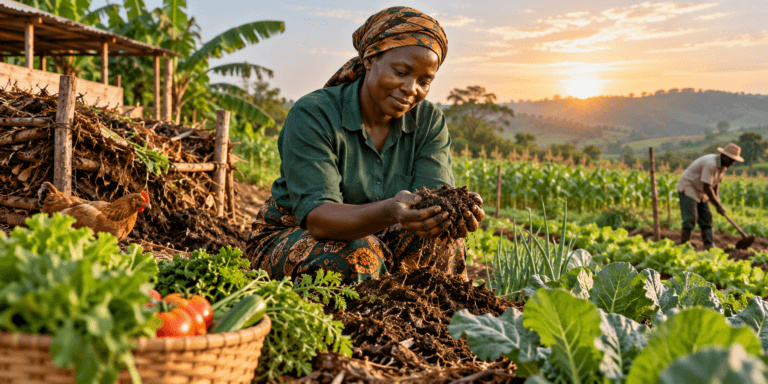
Back home, I decided to put everything I had learned into practice. I started by making compost. It felt strange at first—turning waste into fertilizer—but when I spread it on my garden, the results were amazing. The soil looked richer, and my plants seemed happier. Within a few months, my garden transformed. My kale was lush and green. For the first time in years, I had more than enough to feed my family and even sold the extra vegetables at the market. What surprised me most was how little I spent. No more expensive fertilizers or pesticides! My garden was thriving, and so was my wallet.
Now, my garden isn’t just a source of food—it’s a source of pride, hope, and inspiration. Thanks to YARD, I’ve discovered a better way to farm, and I’m passing it on to others.

Author: CHARLES KIMAMO
Specialized in working with community based project, training and extension in organic farming, children mentorship and training on financial literacy