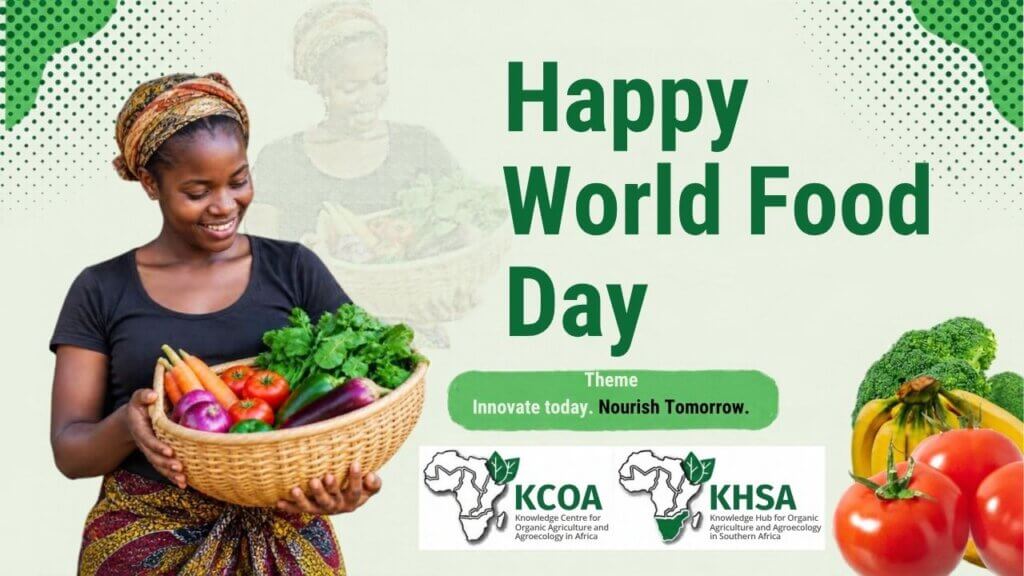
Today, 16 October 2026, the world pauses to mark World Food Day.
Across social media, news outlets, and global summits, the conversation is dominated by staggering statistics about global hunger, supply chain disruptions and the urgent need to “feed the future.”
Many are the times that we go into supermarkets and find all their shelves full of assorted food items that we buy and fill our kitchens with.
The critical question: Are we eating food that nourishes our bodies and protects the planet, or are we consuming food contaminated with chemicals that put our health and future at risk?
In Namibia and across Southern Africa, a growing movement of farmers, consumers and advocates are demanding a radical shift in how we view our meals. Their message, championed by the Namibian Organic Association (NOA), is simple but profound: Think before you eat. Think organic.
The Great “Cheap Food” Illusion
Whenever the conversation turns to organic food, the most common objection is immediately raised: “But organic food is too expensive. I can’t afford it.”
It is time to flip this narrative on its head. Organic agriculture and agroecology does not necessarily cost more to produce. Conventional food is simply sold for less than its true cost.
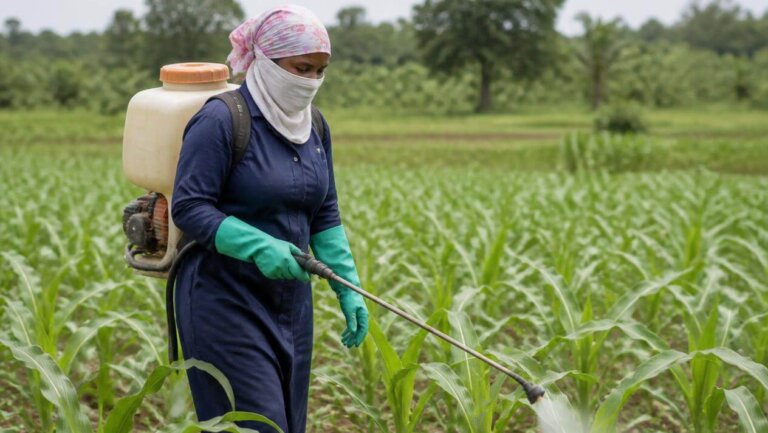
The industrial food system relies on the externalisation of costs. The price tag on a conventionally grown apple or a packet of non-organic maize meal does not reflect the massive hidden debts it creates:
- The Health Debt: The long-term medical costs of pesticide-related health issues, autoimmune diseases and cancers linked to chemical residues and harmful additives.
- The Ecological Debt: The catastrophic loss of biodiversity, the poisoning of our water bodies and the degradation of topsoil.
- The Climate Debt: The massive greenhouse gas emissions generated by manufacturing, packaging and shipping synthetic fertilisers across the globe.
When you buy “cheap” conventional food, you are paying for it twice: once at the till, and again through your taxes, your healthcare and the environmental degradation left to your children.
The Four Principles on Your Plate
True food security is not just about having enough calories; it is about having the right calories, produced in a way that ensures we can still grow food 50 years from now.
Organic agriculture is guided by the International Federation of Organic Agriculture Movements (IFOAM), built on four non-negotiable principles that directly answer the call of World Food Day:
- The Principle of Health
Research shows that organic crops have significantly higher concentrations of antioxidants, which protect our cells from free radical damage. Organic standards strictly ban harmful synthetic pesticides, chemical residues and artificial preservatives.
- The Principle of Ecology
Organic farming is climate-friendly. By avoiding artificial fertilisers, it stops the poisoning of wildlife and water bodies. More importantly, organic soils sequester carbon and retain significantly more water, making our local farms far more resilient to the droughts and floods driven by climate change.
- The Principle of Fairness
By rejecting patented GMO seeds, organic farming supports local seed-saving networks and empowers smallholder farmers. It ensures fair relationships and a good quality of life for the farmworkers who tend the land, rather than enriching distant agrochemical monopolies.
- The Principle of Care
Organic standards guarantee a truly free-range life for animals. They are allowed to express their natural behaviours, grazing on sound, well-managed rangelands that sustain our vulnerable ecosystems, without the routine use of preventative antibiotics.
How to Eat with Integrity Today
You have the power to vote for the food system you want, three times a day but to do that, you need to know how to spot the real deal.
Look for the Mark of Trust
The only way to guarantee a product is truly organic is to look for recognised certification marks. In Namibia, look for the Namibian Organic Mark (for fully certified producers) or the Organic in Conversion Mark (for farmers in their first year of transitioning to organic practices).
Understand the PGS Advantage
The NOA oversees the country’s Participatory Guarantee System (PGS). Unlike expensive, corporate-driven third-party audits, PGS is a community-led, second-party assurance system built on complete transparency and trust. NOA members and consumers are always welcome to join farm assessments. It is verification by the community, for the community.
Make Every Day World Food Day
Leaving no one behind, the World Food Day starts with ensuring that the food we put on our tables doe not exploit the earth or the farmer.
Think before you eat. Think Namibian Organic. Make your plate a safer place for the planet.
Download the Think Before You Eat! Think Namibian Organic! Knowledge Product for more information.

Author: Rabecca Mwila
Rabecca Mwila is a passionate advocate for sustainable agriculture and environmental stewardship. With a background in climate change and communications, she has spent years telling the untold stories of the realities of climate change, environmental and climate injustices and how they affect vulnerable communities in Africa and beyond