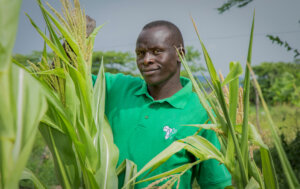
Julius Echodu, a resident of Gome Village in Subur Parish, Polulu Sub-county, Kalaki District, has emerged as an agroecological innovator, entrepreneur, trainer, and knowledge multiplier whose work is transforming farming communities across Eastern Uganda.
His journey is one of remarkable transformation. From struggling with food insecurity, crop failures, poultry losses, and a modest income from fish trading, Julius has grown into a farmer-led innovator developing organic solutions, promoting sustainable agriculture, and sharing agroecological knowledge with thousands of farmers.

His story demonstrates how access to knowledge, combined with practical experimentation, local knowledge, innovation, and determination, can transform individual livelihoods while creating a ripple effect across communities.
Julius’s journey has been documented through KCOA Multiplier Network platform and KHEA platforms over the years. This story brings together the different stages of his journey, highlighting how his initial exposure to agroecological knowledge has evolved into a growing enterprise and a wider movement for sustainable agriculture.
From Livelihood Struggles to a Search for Solutions
Before joining the Knowledge Hub for Organic Agriculture and Agroecology in Eastern Africa (KHEA) in 2020, Julius faced significant socio-economic challenges.
Having recently established himself independently after leaving his parents’ home, he relied primarily on fish trading, earning approximately UGX 12,000 per day.
Food insecurity was a constant challenge. His farming enterprises, including vegetable production and local poultry rearing, were also affected by frequent pest and disease outbreaks and harsh climatic conditions.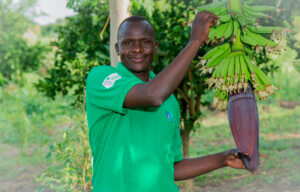
A prolonged drought further worsened the situation, causing widespread crop failures and significant poultry losses. Despite participating in government-led poultry vaccination programmes, many farmers continued to lose their birds, creating frustration and uncertainty within the community.
These challenges pushed Julius to search for practical solutions that could improve his family’s livelihood while addressing the wider agricultural challenges faced by farmers in his community.
The Turning Point: KHEA Multiplier Training
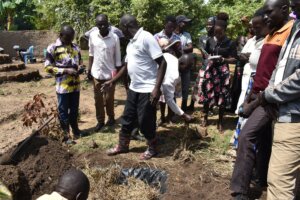
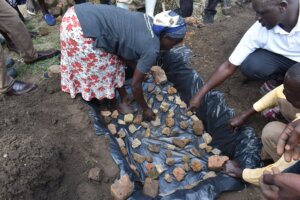
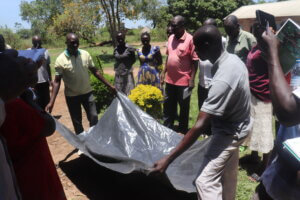
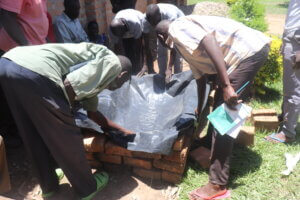
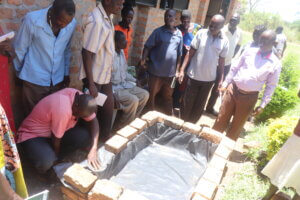
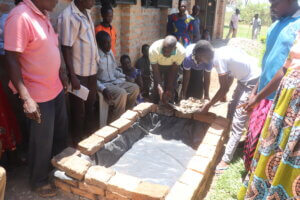
In 2020, Julius was selected to participate in a five-day KHEA Multiplier Training in Soroti.
The training became a turning point in his life.
Rather than immediately teaching others, Julius made a deliberate decision to first test the knowledge and practices on his own farm.
“The training inspired me to first practice what I had learned on my own farm before teaching others,” Julius recalls.
Determined to understand how agroecological principles could respond to real farming challenges, he began applying the knowledge acquired through the training.
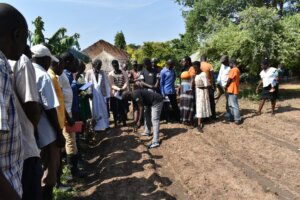
He complemented this new knowledge with continuous learning, exposure visits, farmer exchanges, and interactions with fellow farmers and elders.
Over time, Julius began combining scientific agroecological knowledge with indigenous practices, farmer experiences, and locally available resources to develop solutions suited to the realities of his community.
The knowledge he acquired also contributed to improvements in his own farming practices and livelihood, reinforcing his belief that agroecology could provide practical solutions to the challenges facing smallholder farmers.
From Knowledge to Innovation
Julius’s approach to innovation is rooted in experimentation and a desire to solve problems using resources that are accessible to farmers.
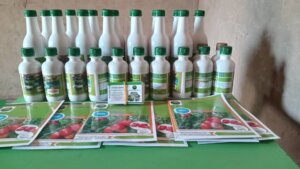
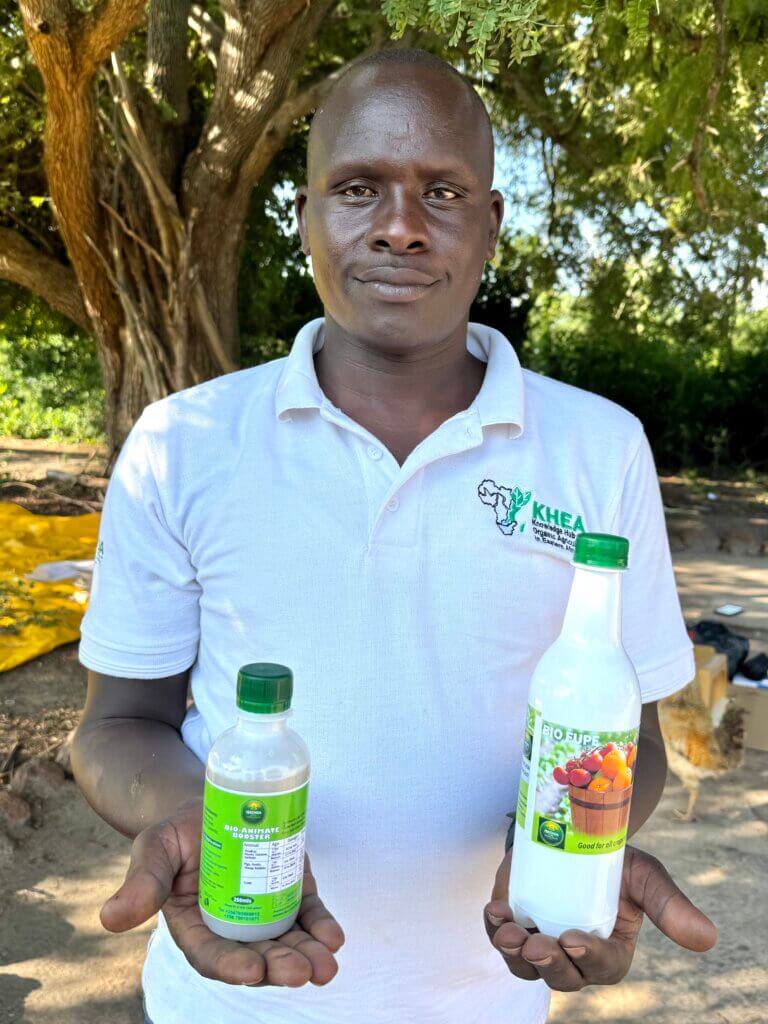
In 2023, he introduced Bio Animal Booster, a natural livestock and poultry supplement designed to improve animal health and productivity.
The results were encouraging, with noticeable improvements in poultry performance and livestock well-being.
Building on this experience, he developed BioFupe, an organic crop product used in cereal, vegetable, and fruit production to support crop health and productivity.
His innovation journey has continued to expand, with his work also exploring the use of indigenous knowledge, locally adapted farming practices, seed preservation, resilient crop varieties, and integrated farming approaches.
The process demonstrates how knowledge acquired through training can be adapted, tested, and transformed into practical solutions that respond directly to challenges faced by farming communities.
For Julius, innovation is not simply about creating products. It is about understanding a problem, learning from farmers, experimenting with available resources, and developing solutions that are affordable, accessible, and relevant to local conditions.
Reaching More Than 2,000 Farmers
Today, Julius has grown from a struggling smallholder farmer into a respected agroecological entrepreneur and trainer.
His innovations, products, and advisory services have reached more than 2,000 farmers across Kalaki, Soroti, Serere, Kumi, Katakwi, Amuria, Kaberamaido, and other districts in Eastern Uganda.
His growing network has also extended beyond the region, with farmers from as far as Kampala and Lira accessing his products, knowledge, and advisory services.
This growth demonstrates the increasing demand for locally developed agroecological solutions and practical knowledge that farmers can apply within their own farming systems.
Using Radio to Amplify Agroecological Knowledge
One of the key factors behind Julius’s growing reach has been his strategic use of local media.
Through agricultural programmes on regional radio stations, including; Voice of Teso, Dokolo FM, Joshua FM, Veritas FM, Serere FM, and Top Radio, Julius regularly shares practical knowledge with farming communities.
His programmes cover topics such as:
- Crop management
- Livestock and poultry production
- Agroecological practices
- Organic farming
- Climate-smart agriculture
- Farm input use and management
Radio has enabled Julius to reach farmers who may not have access to formal training opportunities.
Through these programmes, he provides technical guidance, responds to farmers’ questions, and connects listeners to appropriate solutions.
Many farmers who hear his programmes later contact him for products, advice, and training services.
To strengthen this outreach, Julius has also established local distribution points and trained community-based farmer representatives who help identify farmer challenges and provide feedback.
This creates a continuous cycle of knowledge sharing, farmer feedback, innovation, and support.
Empowering Women and Youth Through Knowledge
Julius’s contribution extends beyond product development and individual farmers.
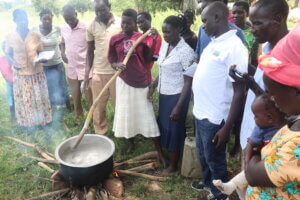
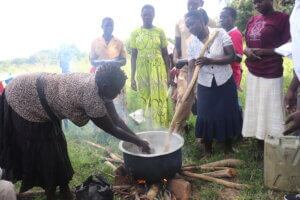
He currently supports more than ten women’s groups under the African Women Agribusiness Network (AWAN), helping them develop value-added products, improve quality standards, strengthen marketing strategies, and work towards certification requirements.
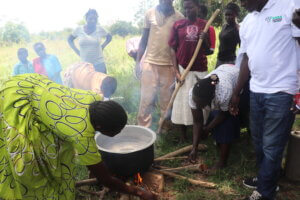
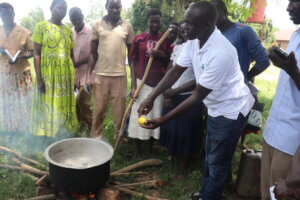
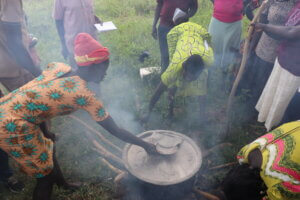
He trains women in processing products such as:
- Peanut butter
- Flour blends
- Soy milk
He also provides guidance on:
- Product branding
- Packaging
- Labelling
- Standardization
- Market development
His work extends to youth groups, farmer organizations, schools, and vocational institutions.
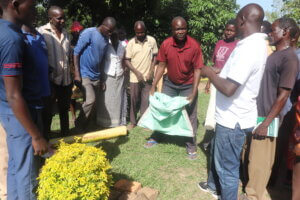
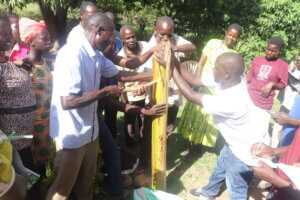
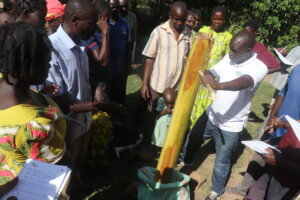
Through these engagements, Julius provides training on climate-smart agriculture, poultry production, agroecology, and entrepreneurship.
By working with women and youth, he is helping create new opportunities for enterprise development while nurturing the next generation of agricultural innovators.
From Local Innovation to Regional Recognition
Julius’s innovations and commitment to agroecology have earned recognition at both national and regional levels.
Through agroecology exhibitions and farmer innovation platforms organized by PELUM Uganda and partners, he has showcased his products and interacted with wider audiences.
During one such exhibition, he was recognized as a Best Farmer Innovator, a testament to the relevance and effectiveness of his work.
His agroecology journey also opened opportunities for international exposure.

Julius participated in the 2nd Eastern Africa Agroecology Conference in Kenya, where he exhibited his products, interacted with researchers and practitioners from across the region, and expanded his professional network.
For Julius, the experience was especially memorable because it was his first time travelling by air.
“Agroecology gave me opportunities I had never imagined. It exposed me to new ideas, new people, and new possibilities,” he says.
Today, Julius continues to engage with farmers, researchers, government agencies, and development organizations across East Africa, contributing knowledge while learning from others.
Building Bridges with Institutions
The exposure and networks gained through KHEA have also enabled Julius to establish relationships with key institutions, including government agencies, researchers, and standards bodies.
He is currently working towards certification of his products through the Uganda National Bureau of Standards (UNBS) and collaborates with technical experts from the Ministry of Agriculture, Animal Industry and Fisheries (MAAIF) and the National Agricultural Research Organisation (NARO).
These partnerships are helping strengthen the quality and credibility of his innovations while creating opportunities for wider market access and adoption.
The journey also demonstrates the importance of connecting farmer-led innovation with formal institutions, research, technical expertise, and quality assurance systems.
What Drives Julius?
Julius’s work is guided by five key motivations:
1. Improving Health
Promoting safe organic solutions that improve the health of people, crops, and livestock.
2. Strengthening Livelihoods
Helping farming households improve their incomes and economic resilience.
3. Conserving the Environment
Encouraging sustainable use of natural resources and environmentally responsible agricultural practices.
4. Promoting Resource Efficiency
Encouraging recycling and the efficient use of available farm resources.
5. Advancing Knowledge and Innovation
Creating opportunities for learning, research, innovation, and knowledge sharing.
At the heart of Julius’s work is a strong belief that local challenges can be addressed through locally developed solutions and that communities can thrive by effectively using the resources available within their own environments.
The Multiplier Effect of Knowledge
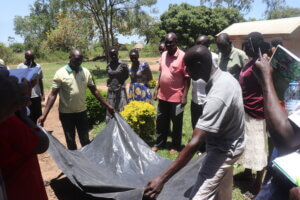
Julius’s journey illustrates the wider impact that can emerge when farmers are equipped with knowledge, practical skills, and opportunities to innovate.
The knowledge gained through KHEA did not stop with his own farm. It became the foundation for a journey that has seen him develop organic solutions, reach more than 2,000 farmers, engage through radio, train women and youth, participate in regional knowledge exchanges, and build partnerships with institutions.
His story demonstrates the power of the KHEA multiplier approach where knowledge moves from training, to individual practice, to farmer-to-farmer learning, innovation, entrepreneurship, and community transformation.
From his early experiences as a farmer struggling with food insecurity to his current role as an agroecological innovator and knowledge promoter, Julius’s journey reflects the potential of farmers to become agents of change when they are given access to the right knowledge and opportunities.
Knowledge Products
This success story demonstrates how the KCOA-KHEA multiplier approach can catalyze farmer-led innovation, entrepreneurship, knowledge sharing, and community transformation.
Key Knowledge Areas
- Agroecology and organic agriculture; https://kcoa-africa.org/wp-content/uploads/2025/10/Advocacy-Guide_WEB_RZ-4.pdf
- Organic crop and livestock solutions; https://kcoa-africa.org/wp-content/uploads/2025/11/4.-organic-livestock-products-4.pptx
- Value addition and product development; https://kcoa-africa.org/wp-content/uploads/2025/10/Sweet-potato-value-addition-guide-2.pdf
- Women and youth empowerment; https://kcoa-africa.org/wp-content/uploads/2025/11/Contribution-of-women-in-agroecology-5.pdf
Resources and Related Stories
Previous KCOA-KHEA Success Story
“My Family’s Survival is Assured through the Organic Agriculture Knowledge I Acquired from the KCOA-KHEA Project.”
This earlier success story documents Julius’s initial experience with organic agriculture knowledge and the role of KCOA-KHEA in strengthening his family’s livelihood, food security, and adoption of sustainable farming practices. Access blog story; https://kcoa-africa.org/my-familys-survival-is-assured-through-the-organic-agriculture-knowledge-i-acquired-from-the-kcoa-khea-project/
Related KCOA Article
“From Knowledge to Innovation: How Julius Echodu is Advancing Agroecology in Uganda’s Teso Region.”
This article highlights Julius’s continued innovation in bio-input development, indigenous seed preservation, resilient crop production, integrated farming, and knowledge sharing with farming communities. Access blog story; https://kcoa-africa.org/from-knowledge-to-innovation-how-julius-echodu-is-advancing-agroecology-in-ugandas-teso-region/
Related KHEA Feature
“KHEA at the 2nd Eastern Africa Agroecology Conference: Advancing Agroecology Through Knowledge and Collaboration.”
This feature highlights Julius’s participation in the regional agroecology conference, where he showcased his innovations and engaged with agroecology practitioners from across Eastern Africa. Access story; https://khea-africa.org/khea-at-the-2nd-eastern-africa-agroecology-conference-advancing-agroecology-through-knowledge-and-collaboration/
In conclusion, the story of Julius Echodu demonstrates the transformative power of agroecology, innovation, and knowledge sharing.
From earning a modest income as a fish trader and struggling with food insecurity and agricultural losses, Julius has become a respected agroecological innovator, entrepreneur, trainer, and mentor whose work reaches thousands of farmers across Eastern Uganda and beyond.
His journey shows that when farmers are empowered with knowledge and given opportunities to experiment, learn, and innovate, they can develop solutions that respond directly to local challenges while creating sustainable livelihoods.
Today, Julius continues to innovate, train, and inspire. His experience is a powerful reminder that knowledge is not only a resource to be acquired, it is a tool that can be multiplied, adapted, and transformed into action for the benefit of entire communities.
As demand for sustainable agricultural solutions continues to grow, Julius’s journey offers an inspiring example of how farmer-led innovation, supported by knowledge networks such as KCOA-KHEA, can contribute to resilient food systems, healthier communities, and sustainable livelihoods.
Disclaimer:
– To learn about the KCOA Project: https://kcoa-africa.org/
– To learn about the KHEA Project: https://khea-africa.org/
– For more details on this article, please reach out to; ezrakalule@pelumuganda.org OR pmagino@biovisionafrica.org
– See the license statement of all KCOA content: https://kcoa-africa.org/license-statement/ , which applies to all content from hubs implementing the KCOA project.