How to protect your crops without poisonous chemicals, using what you already have on your farm
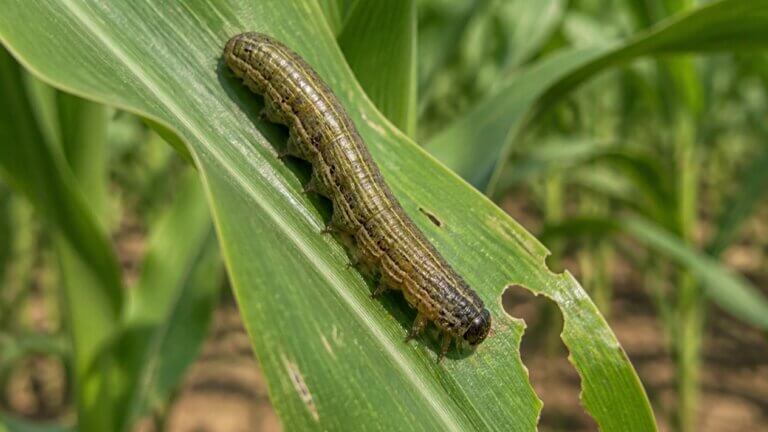
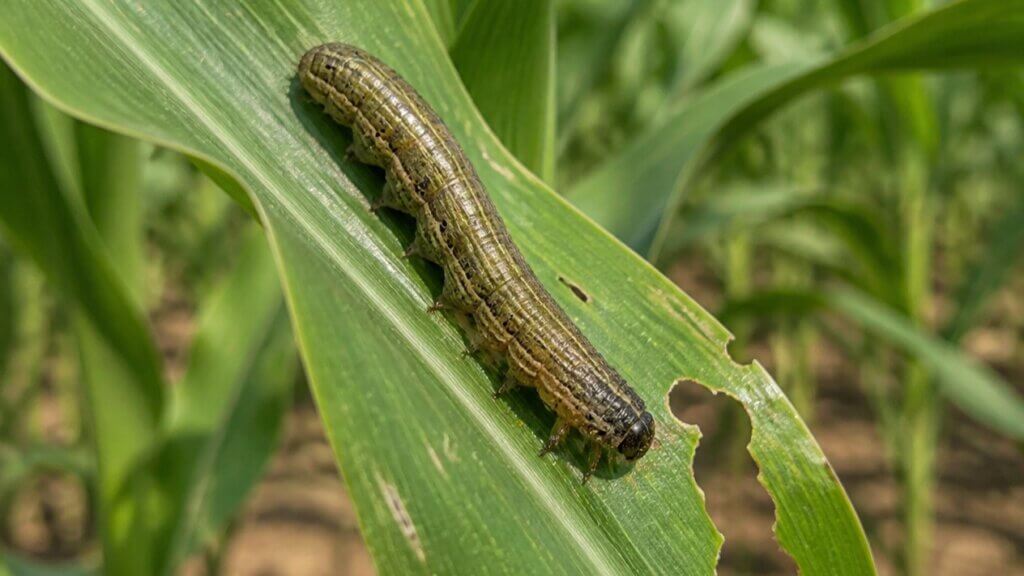
Imagine walking through your maize field one morning only to find rows of caterpillars chewing through your leaves. Or maybe it is aphids covering your cowpeas like tiny green blankets. You think to yourself, “I need to buy pesticide fast.”
However, the most effective pest control is not chemical pesticides but the understanding that healthy plants rarely get sick.
In this guide, you will learn a natural, step‑by‑step system to manage pests. The pest control method is less costly, friendly to the environment and has been effective for thousands of organic farmers across Southern Africa.
Why Chemicals Are Not the Answer and Often Make Things Worse
When pests strike, the first instinct is to reach for a strong pesticide. However, here is what usually happens after you spray:
- You kill the pest but also the beneficial insects (like ladybirds and parasitic wasps) that were keeping pests in check.
- The next generation of pests arrives, but their natural enemies are gone. Now you have a bigger problem.
- Over time, pests become resistant. So you buy stronger chemicals. The cycle never ends.
Real cost of chemical pest control in Southern Africa:
- A smallholder farmer in Zambia spent 35% of his crop budget on pesticides – yet lost 20% of his harvest to fall armyworm anyway.
- His neighbour, who farmed organically, spent nothing on chemicals and lost only 8% because his soil was healthy and his fields attracted natural predators.
The difference? The organic farmer had a system, not just a spray.
Your Natural Pest Control Toolkit – 5 Proven Strategies
Organic pest management follows a clear order of preference. Think of it as a first‑aid kit – you start with the gentlest, most preventative tools and only move to stronger measures when necessary.
Level 1: Prevention – Healthy Soil, Strong Plants
This is your most powerful weapon. Pests are like thieves: they target the weak, stressed, or already damaged plants.
What to do:
- Feed your soil with compost and mulch. Healthy soil produces plants with thick cell walls and high sugar content (Brix value) that insects can not digest.
- Use locally adapted seed varieties. Indigenous maize or sorghum often has natural resistance to local pests.
- Rotate crops. Fall armyworm, for example, lays eggs in maize stubble. If you plant maize in the same field every year, you are inviting them for a feast.
Level 2: Cultural Controls – Make Your Farm Unfriendly to Pests
This means changing your farm design to discourage pests naturally.
Techniques that work:
- Intercropping: Plant maize with desmodium (a smelly legume) and brachiaria grass. The desmodium repels stem borers, and the grass attracts them away. This “push‑pull” system is used by over 200,000 farmers in East and Southern Africa.
- Companion planting: Marigolds planted between tomatoes repel root-knot nematodes. Basil next to peppers confuses aphids.
- Trap crops: Plant a small border of a pest’s favourite plant. For example, plant Napier grass around maize, stem borers prefer it, so they leave your maize alone.
Level 3: Mechanical & Physical Controls – Traps and Barriers
When prevention is not enough, use simple tools.
Low‑cost options:
- Handpicking: For large pests like cabbage caterpillars or beetles, go out in the early morning (when they’re slow) and pick them off by hand. Drop them into soapy water.
- Sticky traps: Paint a piece of yellow cardboard with used engine oil or Vaseline. Hang it near your crops. It traps aphids, whiteflies, and leaf miners.
- Netting and row covers: For high‑value crops like tomatoes or peppers, use old mosquito nets or light fabric to physically block flying insects.
Level 4: Biological Controls – Enlist Beneficial Creatures
Your farm is already full of pest‑eating allies. Learn to recognise and protect them.
Who’s on your team:
- Ladybird beetles (ladybugs): Each one eats up to 50 aphids a day.
- Lacewings: Their larvae devour caterpillars, mites and whitefly eggs.
- Parasitic wasps: Tiny, non‑stinging wasps lay eggs inside caterpillars or aphids, and the young eat the pest from the inside.
- Spiders, praying mantises and ground beetles: All are general hunters.
How to attract them:
- Plant flowers like sunflowers, cosmos, or coriander around your field edges. Their pollen and nectar feed adult beneficial insects.
- Leave small patches of undisturbed vegetation, which provide shelter.
- Avoid all broad‑spectrum pesticides, even “natural” ones like pyrethrum, unless necessary. They kill good bugs, too.
Level 5: Organic Pesticides – The Last Resort (Use With Care)
If you have tried everything above and still have an outbreak, you can use homemade sprays. However, remember: they also affect beneficial insects, so use them only on affected plants, at the right time (late afternoon), and stop as soon as pests are under control.
Three effective, low‑cost recipes:
| Pest | Organic Spray | How to Make (1 litre) |
| Aphids, mites, whiteflies | Soap spray | Mix 1 tablespoon of liquid soap (not detergent) + 1 litre of water. Spray directly on pests. |
| Caterpillars, beetles | Chilli & garlic spray | Blend 2 hot chillies + 4 cloves of garlic with 1 litre of water. Strain. Add 1 drop of soap. Spray every 5‑7 days. |
| Fungal diseases (blight, mildew) | Baking soda spray |
Mix 1 teaspoon of baking soda + 1 litre of water + 2 drops of soap. Apply weekly as prevention. |
Important: Always test any spray on a few leaves first. Wait 24 hours. If leaves burn, dilute more. Never spray during the hottest part of the day.
Download Your Free Guide: “Basic Production Principles – SAOSO/KHSA“

Author: Rabecca Mwila
Rabecca Mwila is a passionate advocate for sustainable agriculture and environmental stewardship. With a background in climate change and communications, she has spent years telling the untold stories of the realities of climate change, environmental and climate injustices and how they affect vulnerable communities in Africa and beyond