Call for an Inclusive National Seed Policy
Agricultural organizations promoting agroecology and indigenous seeds are calling for Zambia to adopt a comprehensive National Seed Policy that recognizes both formal and informal seed systems to strengthen food security, climate resilience and agricultural biodiversity.
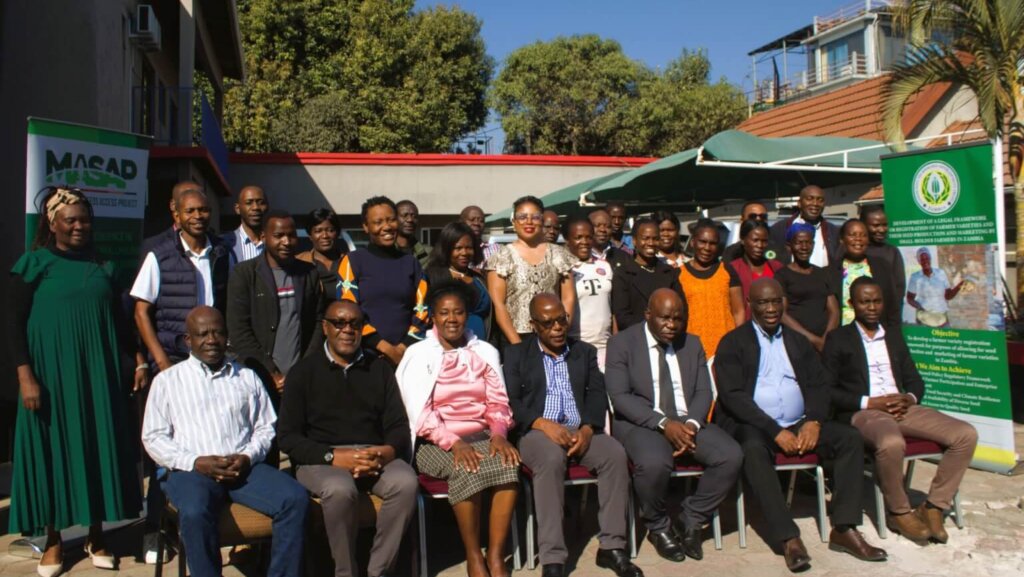
During a stakeholder workshop, organizations including the Community Technology Development Trust (CTDT), PELUM Zambia, the Zambia Rural Women’s Assembly, Kasisi Agricultural Training Center and the Zambia Alliance for Agroecology and Biodiversity developed recommendations aimed at creating a more inclusive and efficient seed system.
The proposed policy seeks to ensure farmers have access to quality, diverse and climate-resilient seeds while supporting both commercial seed producers and farmer-managed seed systems.
Strengthening Farmer-Led Seed Systems
CTDT Executive Director Charles Nkhoma said the policy should increase investment in research, seed quality assurance, conservation of plant genetic resources and sustainable financing for the seed sector.
The recommendations also call for greater farmer participation in plant breeding, expanded support for community seed banks, strategic national seed reserves and legal recognition of community seed exchange systems.
The proposed policy further seeks to strengthen collaboration between research institutions, government, the private sector and farming communities while protecting farmers’ rights to save, use, exchange and where appropriate, sell farm-saved seed.
Aligning Policy with Legal Reforms
Meanwhile, the Ministry of Agriculture has urged stakeholders to ensure the proposed policy aligns with ongoing reforms to the Plant Variety and Seeds Act and the Plant Breeders’ Rights Act.
Speaking at the consultation meeting, Seed Compliance and Distribution officer Dr. Nathaniel Phiri said the recommendations should complement existing agricultural laws and contribute to building a modern, sustainable and inclusive seed sector.
The ministry also emphasized that, alongside the National Seed Policy, Zambia should develop a National Seed Development Strategy to provide clear implementation priorities, define institutional responsibilities and establish measurable targets.
Towards a Resilient Seed Future
Stakeholders believe that an inclusive seed policy, backed by a strong implementation strategy, will improve agricultural productivity, conserve biodiversity, strengthen seed security and help farmers adapt to the impacts of climate change.
Download the Organic Agriculture Manual from KATC for more information on sustainable agriculture.