Food Is Not Just About Quantity It’s About Quality
Across Southern Africa, food is being produced, yet malnutrition remains widespread. Children suffer from stunting, adults face diet-related illnesses and communities struggle with limited access to diverse, nutritious foods.
This reality is an indication that food security is not only about how much we grow, but what we grow and how we grow it.
How Farming Systems Shape What Ends Up on Our Plates
The way food is produced directly affects diets and public health.
Highly industrialised farming systems often prioritise a narrow range of staple crops, reducing dietary diversity. Over time, this leads to:
- Limited access to fruits, vegetables and indigenous foods
- Declining soil nutrient content, affecting food quality
- Increased dependence on ultra-processed foods
In Malawi, these trends contribute to undernutrition alongside rising cases of obesity and non-communicable diseases, a growing public health concern.
Sustainable Food Systems Nourish Both People and Ecosystems
Sustainable food systems take a different approach. They promote:
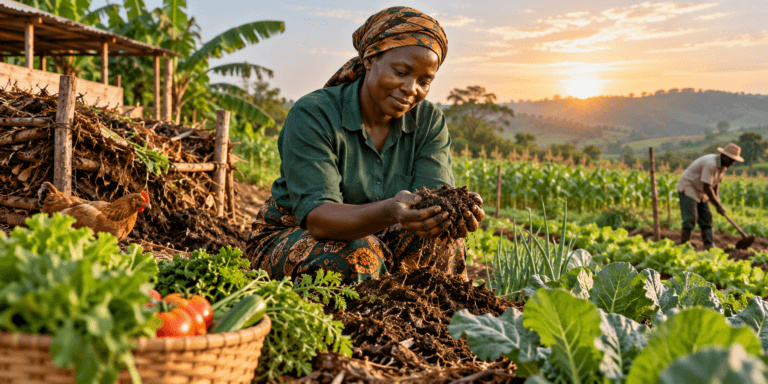
- Crop diversity for balanced diets
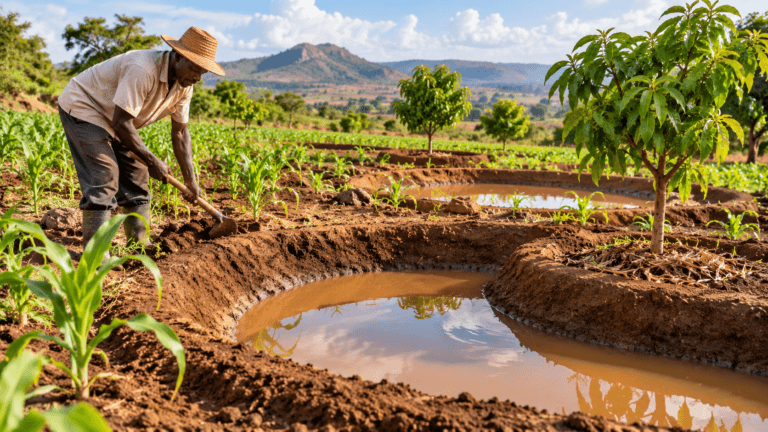
- Agroecological farming that improves soil health
- Local food systems that increase access to fresh, nutritious foods
- Indigenous crops that are climate-resilient and nutrient-rich
When farmers grow a variety of crops using agroecological methods, communities benefit from improved nutrition, stronger immunity and healthier livelihoods. At the same time, soils, water sources and biodiversity are protected for future generations.
Why This Matters for Southern Africa
Southern African countries face similar challenges: climate shocks, rising food prices and growing health burdens linked to poor diets.
By investing in sustainable food systems, governments and communities can:
- Reduce malnutrition and diet-related diseases
- Strengthen local food economies
- Improve resilience to climate change
- Support smallholder farmers who feed the majority
Build Food Systems That Nourish Communities
The link between agriculture, nutrition and health is clear. Now it’s time to act.
Download the knowledge product from the link below for details:

Author: Rabecca Mwila
Rabecca Mwila is a passionate advocate for sustainable agriculture and environmental stewardship. With a background in climate change and communications, she has spent years telling the untold stories of the realities of climate change, environmental and climate injustices and how they affect vulnerable communities in Africa and beyond