In many parts of Africa, small‑scale livestock farmers face a recurring challenge: during the rainy seasons they may have a rich surplus of fodder, but when the dry season arrives, feed becomes scarce, costs rise, and animal productivity drops. That’s where silage comes in—a simple, cost‑effective way to preserve green fodder so that animals are fed well year‑round.
What is Silage and Why It Matters
Silage is fodder made from green foliage crops (such as maize, sorghum, or hybrid napier) which are preserved by fermentation until acidification occurs, thereby preserving nutrients for later feeding. KCOA
When done properly:
- the nutritional value of the fodder is kept intact,
- feed losses are reduced,
- animals receive better quality nutrition even in the off‑season.
Real Success Stories
Case‑1: Milk yield boosted
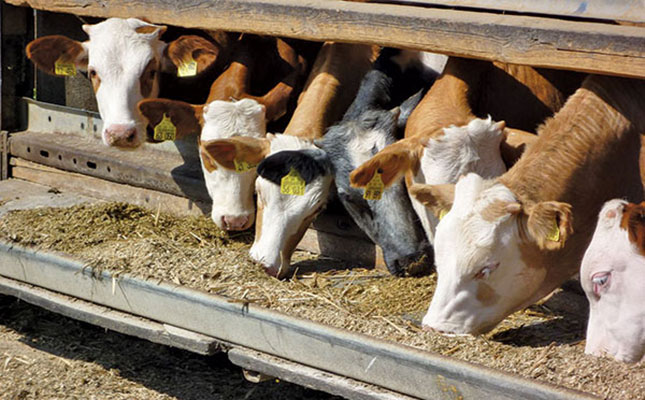
In Gulu district, farmers like Tony Kidega have switched from feeding mostly dried grass during the dry season to feeding silage made from maize fodder. Within a few weeks, milk production has greatly improved. The cows are now better‑fed, more consistent in yield, and farmers reported fewer digestive issues.
Case‑2: Healthier animals, lower costs

In Wakiso district, Kakande Albert shifted to silage supplementation. He has found that the animals had improved body condition scores, fewer visits to the vet for feed‑related issues, and feed costs fell because less supplementary commercial feed was needed.
Case‑3: Surplus fodder put to work
Farmers who used to discard excess fodder during the rainy season now chop and ensile it turning potential waste into strategic feed reserves. The result: better resilience to dry spells and less panic when fodder is scarce.
Key Steps for Making Good Silage
According to the knowledge product poster “Making Silage” developed by the KCOA–KHEA Project: KCOA
- Choose appropriate crops rich in soluble carbohydrates (e.g., maize, sorghum, oats, pearl millet).
- Harvest at optimal stage (green, leafy, high moisture) and chop into appropriate lengths.
- Pack tightly in a silo or pit to exclude air and facilitate fermentation.
- Cover well to maintain anaerobic conditions until feeding time.
- Ensure feeding is timely, and monitor animal responses.
Why Silage Works for Small Farmers
- Feed availability all year round: No more drastic drop in feed quality or quantity during dry season.
- Improved animal productivity: Better fodder = healthier animals = more milk or meat.
- Cost‑effective: By preserving fodder you avoid over‑reliance on purchased feed.
- Resilience to climate stress: Surplus during rains can be preserved to buffer against dry spells.
How You Can Start
- Select a reliable crop and secure a small silo or pit.
- Harvest and chop the fodder when it’s green and leafy.
- Pack and cover it well; aim for airtight sealing.
- Begin feeding, monitor results: milk yield, animal condition, feed cost savings.
- Share results with peers—turn your success into community learning.
Downloadable Resource
You can download the detailed poster “Making Silage” for your farm or group here:

By turning green fodder into silage, farmers are doing more than just preserving feed—they’re investing in their animals, their livelihoods, and the future of sustainable agriculture. If you’ve got surplus fodder this rainy season, consider giving silage a try. Your livestock and your bottom line will thank you.
Disclaimer:
- To learn about the KCOA Project: https://kcoa-africa.org/
- To learn about the KHEA Project: https://khea-africa.org/
- For more details on information in this article, please reach out to pmagino@biovisionafrica.org
- See license statement of all KCOA Content: https://kcoa-africa.org/licence-statement/ which also applies to all content from hubs implementing the KCOA project.
Blog story formulation – done by Magino Pamella-KHEA Communications Officer-PELUM Uganda and Biovision Africa Trust Kenya
Edited, reviewed&uploaded by Magino Pamella-KHEA Communications Officer-PELUM Uganda and Biovision Africa Trust Kenya

Author: Pamella Magino
Ms. Magino Pamella joined PELUM Uganda on 1st Oct 2021 as Communications Officer for the KCOA-KHEA project. With 9+ years in Communications and Marketing, she specializes in Public Relations, Business Development, and Marketing. Pamella holds a Bachelor’s in Mass Communication (Public Relations) and is a Certified Member of PRAU. She has worked with organizations like The Nile Basin Initiative and Victoria University Kampala, crafting strategies that drive positive change