As the SustainSahel project draws to a close, we are proud to share a collection of practices co-created with farmers of Burkina Faso, Mali, and Senegal. Over the past five years, SustainSahel has worked hand-in-hand with local communities, researchers, and innovation platforms to develop practical, low-cost strategies for sustainable agriculture—solutions that are rooted in both local wisdom and scientific research. We invite you to dive deeper into these field-tested practices by reading our publication, Final Recommendations to Farmers, available here.

https://zenodo.org/records/17153079
Co-creating Solutions for Sahelian Farming Challenges
Across seven regional study sites, farmers and researchers have joined forces to tackle some of the region’s most pressing challenges:
- Soil degradation and declining yields
- Weed pressure and livestock feed shortages
- Desertification and the growing impacts of climate change
The results? A set of field-tested, farmer-approved practices that strengthen the resilience of farming systems while protecting natural resources. These approaches are not top-down prescriptions, but flexible options that farmers can adapt and build upon according to their specific needs and conditions.

Practical, Accessible Agroforestry Approaches
At the heart of this work are agroforestry-based practices designed to restore soil fertility, enhance water availability, and provide nutritious fodder—even during the dry season. Many of these plants and systems also offer additional benefits, such as medicinal properties or shade for livestock and crops.
The upcoming SustainSahel recommendations guide organizes these innovations by theme, making them easy to apply in the field. Whether you want to:
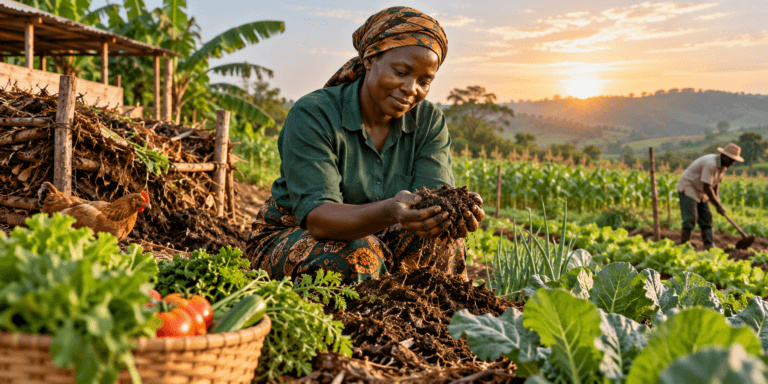
- Rebuild soil health with organic matter and tree-crop integration,
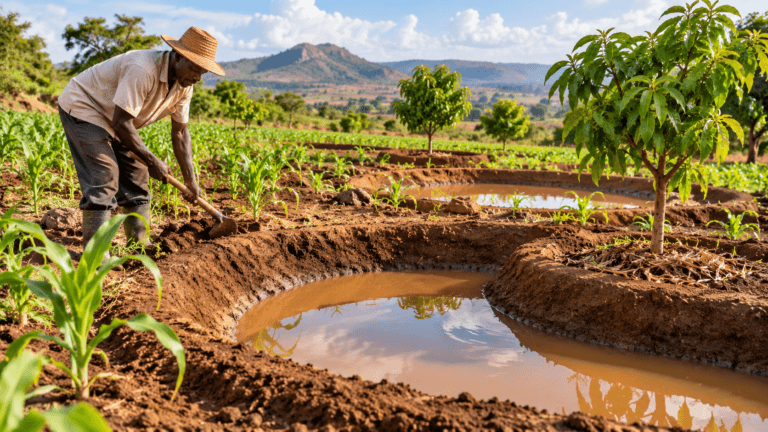
- Secure water through improved soil cover and micro-catchments, or
- Support livestock with drought-tolerant, multipurpose species—
you’ll find practical methods ready for use and adaptation.
From Knowledge to Action
To support farmers, extension agents, and policymakers, the guide includes additional materials—case studies, photos, and step-by-step instructions—to help bring each practice to life. The final section also offers scientific insights and fresh ideas for extension work, helping bridge the gap between research and the realities of everyday farming.
A Collaborative Effort
These achievements are the result of a remarkable partnership among farmers, research institutions, and extension organizations. Research was carried out in collaboration with:
- Mali: IER and IPR/IFRA
- Burkina Faso: University Nazi Boni and INERA
- Senegal: CSE and ISRA
- Germany: University of Hohenheim and University of Kassel
- As well as CIRAD, FiBL, IRD, and local producer groups
We extend our deepest gratitude to all who contributed their time, knowledge, and dedication to making these innovations possible.
Please find the publication with the recommendations for farmers and extension actors here https://zenodo.org/records/17153079
You can also find recommendations for policy makers here
https://www.sustainsahel.net/news/final-recommendations-to-policy-makers.html
and for scientists here
https://zenodo.org/records/17047163

Author: Lilian Beck
Through videos and creative outreach materials, Lilian shares the transdisciplinary knowledge of the Sustain Sahel project on agroforestry with the wider community. Lilian has been facilitating co-creation processes in Agroecology for more than seven years, mostly in Cambodia, living there for 5years as well as collaborating with stakeholders on the African continent and in Central Asia with organizations such as CIAT, FAO, CIFOR-ICRAF, Uni Kassel, and Uni Hohenheim. She holds an MSc in Agroecology and is currently conducting her Ph.D. on agroforestry dissemination in Cambodia