Why the Future of Food Starts Beneath Our Feet
When people talk about food security, they often focus on increasing crop yields, improving seed varieties, or expanding irrigation systems.
While these factors are important, there is one resource that quietly supports them all. Soil.
Every meal we eat begins with the soil. Whether it is maize, vegetables, fruits, legumes, or livestock feed, healthy soil plays a crucial role in producing the food that nourishes families and communities.
However, across many parts of Africa, soils are becoming degraded due to erosion, nutrient depletion, deforestation, overgrazing and unsustainable farming practices.
As soil health declines, so does the ability of farmers to produce enough food.
This is why protecting and restoring soil health is not just an agricultural issue buy a food security issue.
What Is Soil Health?
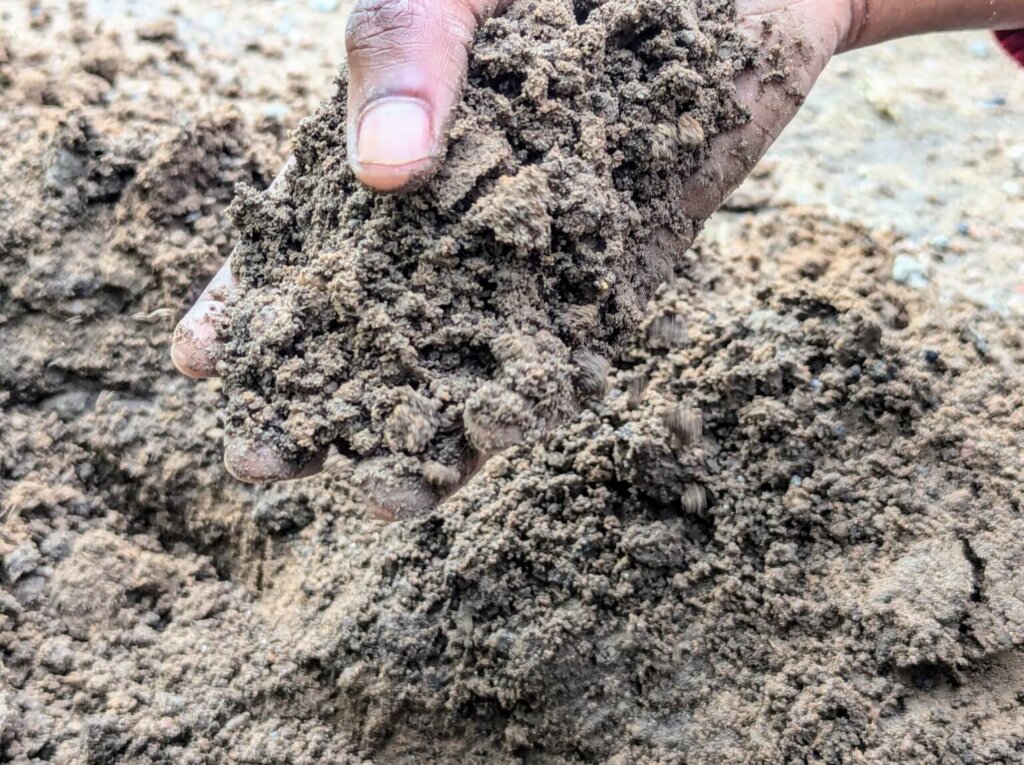
Healthy soil is much more than a mixture of sand, clay and organic matter.
It is a living ecosystem filled with:
- Beneficial microorganisms
- Earthworms and insects
- Plant roots
- Organic matter
- Water and air
Together, these components help soil perform essential functions that support crop production.
Healthy soil can:
- Store and supply nutrients
- Retain water during dry periods
- Support strong root growth
- Reduce erosion
- Suppress certain pests and diseases
- Improve crop resilience
Healthy soil creates the conditions that crops need to thrive.
Why Soil Health Matters for Food Security
Food security means that people have reliable access to sufficient, safe, and nutritious food throughout the year.
For farmers, achieving food security depends heavily on maintaining productive land.
When soils are healthy, farmers are more likely to harvest good crops even when weather conditions are challenging.
However, when soils become degraded, several problems emerge.
Lower Crop Yields
Poor soils often contain fewer nutrients and less organic matter.
As a result, crops may grow more slowly, produce fewer grains or fruits and become more vulnerable to stress.
Lower yields mean less food for households and fewer products to sell at the market.
Reduced Water Availability
Healthy soil acts like a sponge, absorbing rainfall and storing moisture for crops.
Degraded soil loses this ability.
Water runs off the surface instead of soaking into the ground, leaving crops vulnerable during dry spells.
In regions where rainfall is becoming increasingly unpredictable, this can significantly affect food production.
Increased Vulnerability to Climate Change
Climate change is bringing more frequent droughts, floods and extreme weather events.
Healthy soils help farmers adapt by improving water retention, reducing erosion and supporting stronger crops.
Without healthy soil, farms become more vulnerable to climate-related shocks.
How Farmers Can Improve Soil Health
The good news is that soil health can be restored and improved over time.
Many agroecological practices help build healthy soils naturally.
Composting
Compost returns valuable organic matter and nutrients to the soil.
It improves soil structure, increases microbial activity and enhances water retention.
Mulching
Mulching protects the soil from direct sunlight and reduces moisture loss through evaporation.
It also helps suppress weeds and adds organic matter as it decomposes.
Crop Rotation
Growing different crops in sequence helps maintain soil fertility and reduces the build-up of pests and diseases.
Legumes, in particular, can help improve soil nitrogen levels.
Cover Cropping
Cover crops protect the soil between growing seasons and help reduce erosion.
They also contribute organic matter and improve soil structure.
Agroforestry
Integrating trees into farming systems improves soil stability, increases biodiversity, and enhances water infiltration.
Trees can also provide shade, fuelwood, fodder and additional income opportunities.
Healthy Soil Supports Healthy Communities
The benefits of healthy soil extend far beyond individual farms.
When farmers maintain productive soils:
- Communities have more reliable food supplies
- Household incomes improve
- Nutrition levels increase
- Water resources are protected
- Rural livelihoods become more resilient
In this way, soil health contributes not only to agricultural productivity but also to economic development and community well-being.
Investing in the Future
Healthy soil is not built overnight.
It requires consistent management, patience and a long-term commitment to sustainable farming practices.
However, the rewards are significant.
Every effort to improve soil health is an investment in future harvests, future incomes, and future food security.
As the challenges of climate change and population growth continue to increase, protecting soil resources will become even more important.
The Bottom Line
Food security does not begin in the market or the kitchen.
It begins in the soil.
Healthy soils support healthy crops, healthy livestock systems and healthy communities.
By adopting practices such as composting, mulching, crop rotation, cover cropping, and agroforestry, farmers can build stronger, more resilient farming systems that continue producing food for generations to come.
Download the KATC Soil and Water Conservation Poster for more information on soil health.

Author: Rabecca Mwila
Rabecca Mwila is a passionate advocate for sustainable agriculture and environmental stewardship. With a background in climate change and communications, she has spent years telling the untold stories of the realities of climate change, environmental and climate injustices and how they affect vulnerable communities in Africa and beyond