The Keyhole Garden: A Resilient Solution to Drought
In Zambia, where malnutrition remains one of the country’s biggest challenges, champion farmer Royd Michelo has found an answer rooted in nature itself. On his farm, the Kapete Ecological Centre in Chongwe, Royd is showing how a simple, low-cost innovation, the “keyhole garden” can transform lives, restore dignity, and put healthy food back on the table.
A Garden That Feeds Families Year-Round
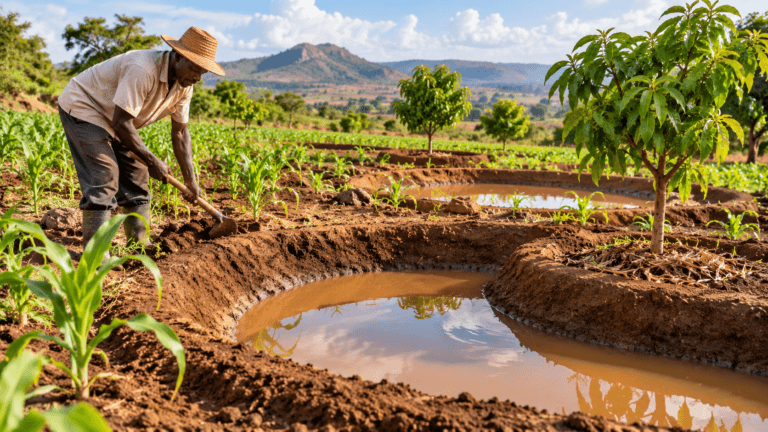
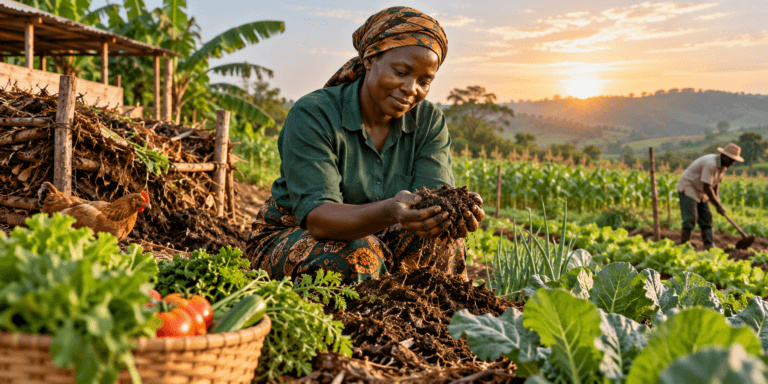
Keyhole gardens are small, circular plots built from stones, sticks, and household waste. At the centre lies a compost basket that continuously feeds the soil with nutrients. For families like those in Chongwe, this simple design is a lifeline: it resists drought, requires little water, and produces enough vegetables to feed a family of eight all year.
“These gardens are more than food sources,” Royd explains. “They are classrooms for healthy eating, and they prove that we can grow diverse, nutritious food even in tough conditions.”
Why They Work for Communities
-
Less Labour: Accessible to the elderly, children, and those who are sick.
-
Water-Saving: Designed for areas where every drop counts.
-
Cost-Free Fertility: Household and garden waste replace expensive chemicals.
-
Natural Resilience: Crop rotation and insect-repelling plants protect against pests and disease.
Changing Lives in Chongwe and Beyond
So far, Royd has trained 276 smallholder farmers, many of whom now enjoy year-round access to fresh produce. Families report not only improved nutrition but also renewed hope—especially for those with disabled or chronically ill members who can still manage a keyhole garden.
The success is spreading. Villages beyond Kapete Ecological Centre’s reach are copying the model on their own, a powerful sign that the idea has taken root.
Recognised for Excellence
The Food and Agriculture Organisation (FAO) has named Kapete Ecological Centre a Community Centre of Excellence, recognising its role in advancing agroecology, food sovereignty, and climate resilience through sustainable farming and local food diversity.
Women at the Heart of the Movement
Royd’s wife, Adasila Kanyanga, embodies the crucial role of women in agroecology. She believes the gardens are not just practical but empowering.
“Keyhole gardens have brought variety and nutrition to our home,” she says. “They save money, bring income, and ensure that no family goes hungry.”
A Path Forward
From Chongwe to distant villages, the keyhole garden is quietly reshaping Zambia’s food system. It is proof that big solutions can be small, simple, and deeply rooted in local knowledge.
Download the sustainable organic agriculture manual by Kasisi Agriculture Training Centre from the link below.

Author: Misheck Nyirongo
Misheck Nyirongo is a Pan-African journalist specializing in agroecology for climate action and food sovereignty. His work focuses on promoting sustainable agricultural practices, highlighting the importance of agroecology in addressing climate change, and advocating for food sovereignty through media and storytelling in Africa. Misheck's compelling reporting emphasizes the need for people-centered climate solutions rooted in agroecology, which helps build resilient food systems, improve livelihoods, and enhance ecosystem health