Africa’s Youth Hold the Future of Farming
Africa is the youngest continent in the world, with over 60% of its population under 25. In Southern Africa, millions of young people are looking for dignified work, yet many view farming as a last resort rather than a promising career.
At the just-ended Africa Food Systems Forum (#AFSForum2025) in Dakar, the message was clear: Africa’s youth are the drivers of collaboration, innovation, and transformation.
Nevertheless, without supportive policies, the next generation of farmers risks being locked out of the food system or trapped in the same cycles of dependency on chemical inputs and external seed systems that undermine sovereignty.
Why Agroecology Is the Path Forward
Agroecology offers a future where farming is not only productive but also innovative, climate-resilient and youth-friendly. Unlike industrial models that drain soils and lock farmers into debt, agroecology:
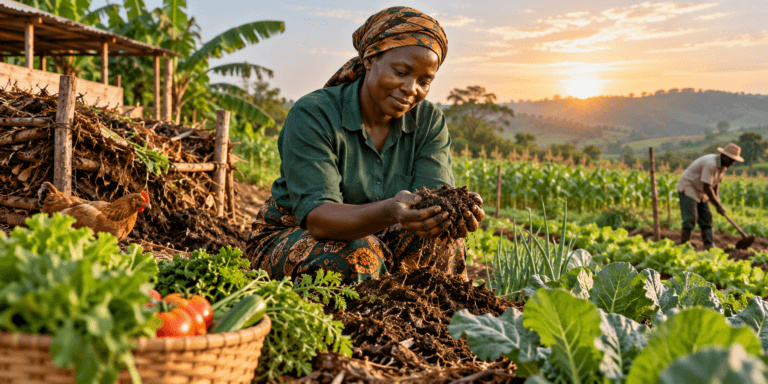
- Builds soil fertility through composting, agroforestry and regenerative practices.
- Protects indigenous seed systems that youth can conserve, improve and share.
- Creates opportunities for youth-led innovation from organic fertiliser businesses to solar-powered irrigation systems.
- Links farming with climate action, nutrition and community resilience.
However, for agroecology to truly empower youth, governments must break down silos. Agriculture ministries alone cannot do it. Health, finance, education and energy ministries must work together to create enabling environments for youth.
The Power of Multi-Ministerial Collaboration
Here is what is possible when ministries align their policies around agroecology and youth empowerment:
- Agriculture + Education – Youth trained in agroecology through schools, colleges, and farmer field schools.
- Agriculture + Finance – Access to credit and grants for youth-led agroecology startups.
- Agriculture + Energy – Renewable energy powering youth agribusinesses in processing, storage, and irrigation.
- Agriculture + Health – Youth growing diverse, nutritious foods aligned with national dietary goals.
With this kind of collaboration, youth can lead the transformation of Africa’s food systems, turning farming into a career of choice, not a last resort.
Demand Policies That Put Youth and Agroecology First
The future of Africa’s food systems lies in the hands of its youth. This can only be a reality if policies that empower and not exclude them are implemented.
Download the Agroecological multi-ministerial policy briefing pack by PELUM Zambia for more details.

Author: Rabecca Mwila
Rabecca Mwila is a passionate advocate for sustainable agriculture and environmental stewardship. With a background in climate change and communications, she has spent years telling the untold stories of the realities of climate change, environmental and climate injustices and how they affect vulnerable communities in Africa and beyond