Have you ever wondered why a country with fertile land and a history of farming still faces food insecurity?
The answer is not a lack of food, it is a lack of connection. Our modern food and farming systems, often focus on a single crop for export, have become disconnected from our health, our environment and our cultural identity. This is the central problem that we can solve.
The journey of food from farm to table is a complex web of policies, players and processes. Several countries are beginning to adopt a joint approach across different ministries to improve food security.
What exactly does a “multi-ministerial approach” entail?
It means getting everyone, from the Ministry of Health to the Ministry of Agriculture, the Ministry of Water and Sanitation and the Ministry of Education, on the same page. This comes from the understanding that good health depends not only on food, but also on clean water, proper hygiene and knowledge of nutrition.
Challenges
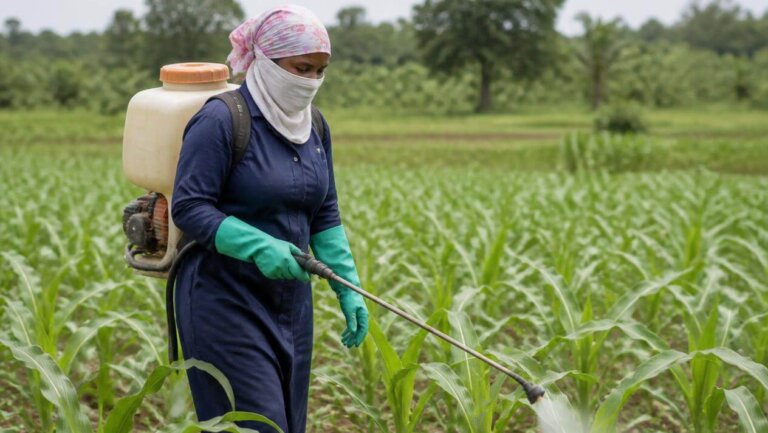
Each ministry often pulls in its own direction. Take this example, the Ministry of Agriculture may push farmers to grow cash crops that bring in money, but these crops do little to feed families nutritious food. Or imagine when trade polices open the door for cheap, processed foods that fill supermarket shelves, while local farmers with healthier options are left behind. In the end, it’s ordinary people and their health that pay the price.
This fragmentation leads to policy incoherence, where one hand of the government undoes the work of the other, leading to a system that does not work for people or the planet.
Creating an Efficient System
What if we could create a system where all of these government departments worked in a cohesive, unified way? A system where agricultural policy is designed not just for export profits, but for improved nutrition and food sovereignty. A system where the Minister of Health, the Minister of Education and the Minister of Agriculture collaborate on a national food plan.
By fostering a shared vision and developing a roadmap together, we can build a food system that is resilient, equitable and truly sustainable.
We have the knowledge and the tools to make it happen, but it requires us to bridge the gaps and work together.
This moment of change will not happen by itself. It needs your voice, your action and your commitment.
Download the Agroecological multi-ministerial policy briefing pack by PELUM Zambia to learn more.

Author: Rabecca Mwila
Rabecca Mwila is a passionate advocate for sustainable agriculture and environmental stewardship. With a background in climate change and communications, she has spent years telling the untold stories of the realities of climate change, environmental and climate injustices and how they affect vulnerable communities in Africa and beyond