Every planting season, smallholder farmers across Africa face the same struggle: the price of synthetic fertiliser keeps rising. Many farmers rely on chemical inputs that are expensive, hard to access and often bought through loans or subsidies. This drains their profits and traps them in a cycle of debt that is difficult to escape.
But farming does not have to work this way.
There is a more affordable and sustainable approach , one that cuts costs, strengthens the soil, protects the environment and builds long-term economic security for farmers.
That approach is organic farming and agroecology rooted in local knowledge, natural inputs and practices that work with the environment, not against it.
The Hidden Cost of Chemical Dependence
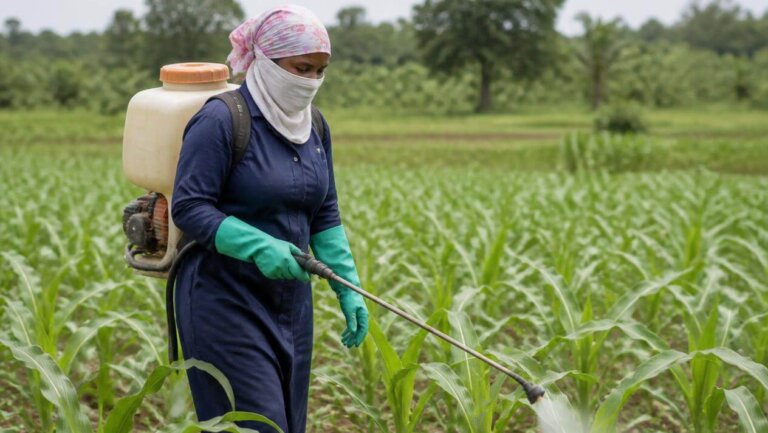
Chemical fertilisers and pesticides may boost yields for a while, but they come with a long-term cost. Because these inputs are imported, their prices rise with global market shifts and currency changes. Every year, farmers pay more just to maintain the same harvest.
This dependence leaves farmers vulnerable and increases the financial pressure on households already struggling to meet basic needs.
Why Organic Farming and Agroecology Makes Economic Sense
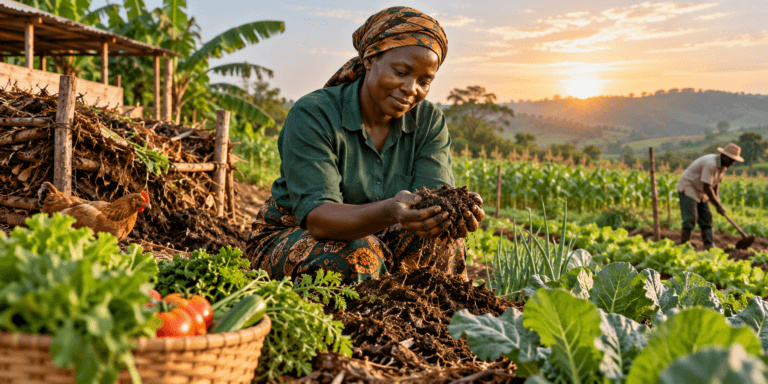
Organic farming offers a way out of this financial trap. Instead of spending money on imported chemicals, farmers use resources they already have: compost, manure, crop residues and local plant-based pest treatments.
This simple shift creates three major economic benefits:
1. Reduced Input Costs and Less Debt
Organic practices rely on materials that are locally available and often free. Farmers can make compost, collect manure from livestock and use traditional pest control methods such as ash, neem, chilli, and other botanical mixtures.
This means:
- Less money spent on fertilisers
- Less need for loans
- Greater control over farm decisions
When input costs drop, profits rise.
2. Stronger and More Resilient Soil
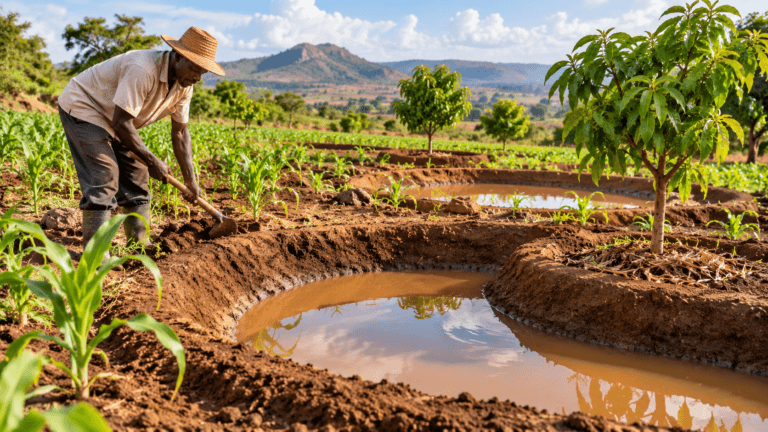
Organic farming builds soil that is alive and healthy. Soils managed with compost and organic matter:
- Hold more water
- Improve nutrient availability
- Reduce erosion
- Recover faster after drought
Healthy soil helps farmers protect their yields during difficult seasons. This resilience is becoming more important as climate change brings unpredictable weather patterns.
3. Better Market Opportunities
The demand for clean, chemical-free food is growing in many African cities and in international markets. Farmers who produce organically grown crops such as vegetables, honey, baobab powder, moringa, groundnuts, mushrooms, and fruits—can tap into higher-value markets.
Organic production is no longer just about feeding the household; it is a business opportunity.
Why Policy and Support Systems Need to Change
Even though many farmers already use organic practices, they often lack:
- Access to organic seeds
- Good information and training
- Technical support
- Local markets that recognise their value
- Affordable ways to verify their products
Organic farmers deserve the same level of support that chemical farming receives. Governments and institutions need to invest in research, training and extension services that help farmers improve soil health, reduce chemical use and strengthen their resilience.
Low-cost, community-based assurance systems like farmer-led inspections and peer-to-peer verification can also help farmers access better markets without expensive certification.
Organic Farming Turns the Farm Into an Asset
When farmers focus on soil health, local inputs, seed saving and natural pest management, the farm becomes something that grows in value year after year. Costs go down. Soil fertility goes up. Yields become more stable and new market opportunities open up.
A Call to Action
Africa cannot continue relying on expensive imported chemicals that drain farmer incomes and damage the environment. There is a smarter way forward, one that builds food security, strengthens ecosystems and supports long-term economic resilience. The solution is already in our hands. It starts in our soil and it grows with every farmer who chooses to work with nature, not against it.
Download the Knowledge Product titled “Sustaining our food system with organic farming” by PELUM Zambia for more information.

Author: Rabecca Mwila
Rabecca Mwila is a passionate advocate for sustainable agriculture and environmental stewardship. With a background in climate change and communications, she has spent years telling the untold stories of the realities of climate change, environmental and climate injustices and how they affect vulnerable communities in Africa and beyond