The Secret in the Pot
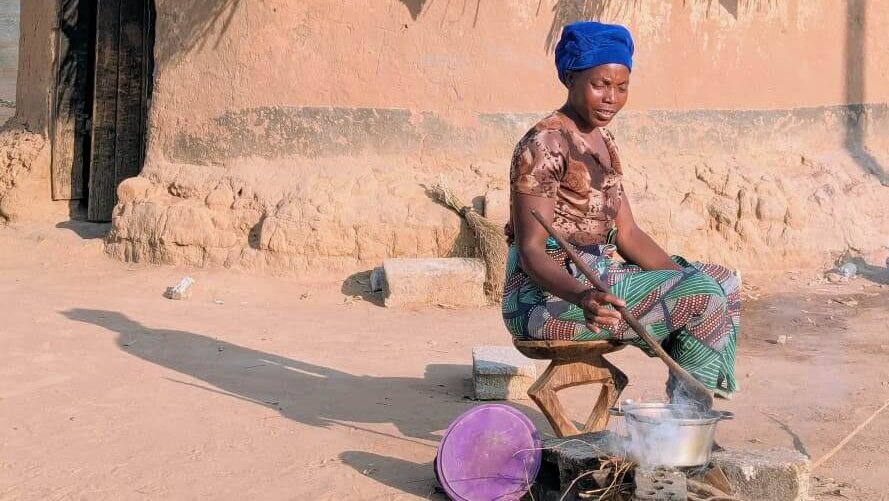
The kitchen was filled with the warm scent of roasting groundnuts and steaming pumpkin leaves (mkhwani). Ten-year-old Chimwemwe sat on a small wooden stool, her eyes focused on her grandmother, Gogo Esther, as she cooked using a wooden pestle. Besides her is a mortar containing boiled Bambara nuts.
“Watch closely my child,” Gogo Esther murmured, her hands moving skilfully. “You need to mash them, mix in the tomatoes, onions and just a pinch of salt. This is not just food, but it is a piece of who we are.”
For generations, the kitchen in rural Malawi has served as the ultimate classroom. It is where grandmothers pass down their wisdom, teaching their granddaughters how to turn drought-tolerant crops like sorghum, millet and bambara nuts into colorful, nourishing meals.
Unfortunately, these classrooms are fading away. The kitchens are becoming quieter, we are losing so much more than just recipes.
The Erasure of Indigenous Food Knowledge
Across Southern Africa, a quiet cultural tragedy is taking place.
As highlighted in the Kusamala Institute’s Knowledge Product titled “Why Sustainable Food and Farming Systems Matter for Malawi”, “the industrial food system views Western scientific knowledge as paramount, side lining traditional and indigenous wisdom.”
For years, agricultural policies have favoured hybrid maize and chemical inputs, sending an indirect message to rural families: Traditional crops are for the less fortunate. Modern food is the way forward.
As a result, indigenous food knowledge in Africa is being overshadowed by highly processed, nutrient-poor convenience foods. Young busy mothers, lacking the knowledge passed down through generations, are turning away from the rich, recipes of their ancestors in favour of a quick, plain maize nshima with whatever relish they can find.
What We Lose When the Kitchens Go Silent
When we stop passing down the art of cooking traditional meals to our kids, the effects are flowing through our health, environment and communities.
-
We Lose Our Climate Resilience
The crops our grandmothers cherished including bambara nuts, sorghum, millet and groundnuts are evidently tolerant to climate shocks and disease. They can withstand those mid-season dry spells that wipe out maize. If we forget how to cook with them, farmers will stop growing them making the risk of our food system vulnerability to climate shocks high.
-
We Lose Our Nutritional Security
The SFHC Indigenous Recipe Book highlights that these traditional ingredients are nutritional powerhouses. Bambara nuts are packed with essential crude protein and carbohydrates. Groundnuts are loaded with protein, potassium and calcium. Millet provides crucial Vitamin B and potassium for heart health. By turning our backs on these recipes, we are also turning away from the natural medicine cabinet that has safeguarded our children from stunting and hidden hunger for generations.
-
We Lose Women’s Cultural Authority
Traditionally, women have been the guardians of seed and soil. The Malawi Sustainable Food Systems Brief points out that “women tend to plant a greater diversity of crops and are responsible for ensuring healthy and traditional diets”. When we undervalue indigenous food knowledge, we marginalize women’s expertise, which only deepens gender inequalities in agriculture and at home.
Reviving the Kitchen, Reclaiming Our Future
The good news is that the pestle has not been set aside for good. Across Northern Malawi, a delicious revolution is underway, spearheaded by the Soils, Food and Healthy Communities (SFHC) project.
Through SFHC’s farmer training and the establishment of Farmer Research Teams, communities are actively working to reverse the decline of cultural food preservation. They are demonstrating that agroecology and indigenous nutrition are two sides of the same coin.
From the Agroecological Farm to the Family Plate
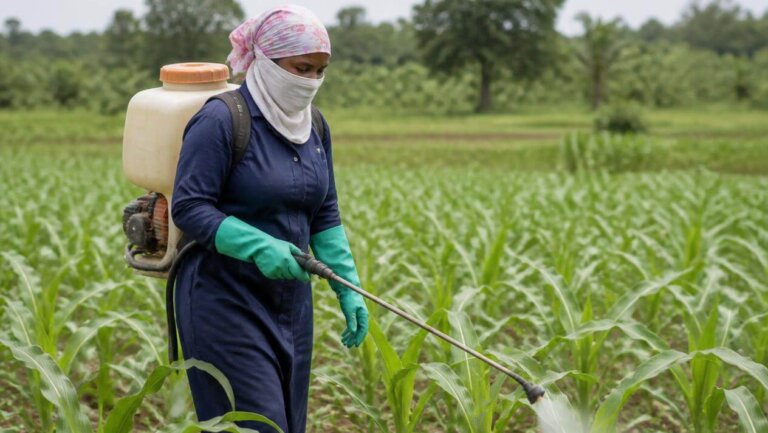
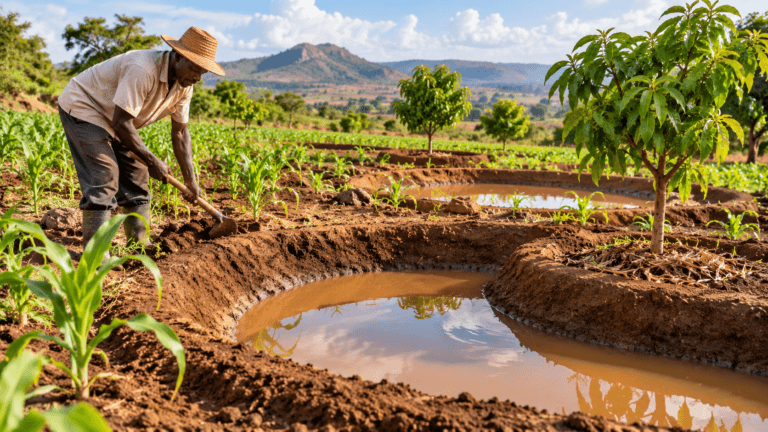
Farmers are embracing Kasisi Agricultural Training Centre’s contour farming techniques to conserve water, while also utilizing SFHC’s botanical sprays, like mtetezga ((Tephrosia vogelii) and chisoyo (Vernonia amygdalina), to naturally safeguard their indigenous crops.
Community Cooking Demonstrations
SFHC Farmer Research Teams organize lively community cooking demonstrations. They don’t just hand out recipes but they create a joyful, communal atmosphere where both women and men come together to learn how to cook dishes like:
- Mashed Bambara Nuts: Boiled, skinned and mashed with tomatoes, onions and garlic, served alongside rice or nshima.
- Groundnut Powder & Vegetables: Fresh pumpkin leaves steamed with tomatoes and mixed with roasted, pounded groundnut powder, resulting in a rich, creamy relish that balances the vegetables and fats/oils food groups.
- Millet Porridge Seasoned with Groundnut Flour: A brain-boosting, heart-healthy breakfast that helps keep children focused in school.
Theatre, Gender and the Kitchen
Remarkably, SFHC even uses participatory theatre to tackle the social barriers surrounding cooking. As detailed in the SFHC Facilitator’s Guide to Participatory Theatre, community drama performances challenge the outdated belief that the kitchen is solely “women’s work.” The message is powerful and transformative: “The kitchen is a space for all of us, ensuring the health of our households.” When men join their wives in pounding groundnuts or mashing bambara nuts, they are not just preparing a meal but they are actively contributing to their family’s health and breaking down gender inequality.
Pull Up a Stool, Learn the Recipe
Indigenous food knowledge is vital for climate resilience, child nutrition and cultural pride. It is time to revive the traditional cooking practices that connect us to our roots.
Download the Free Knowledge Products for more information on Indigenous food and nutrition.
Explore over 30 delicious and nutritious recipes featuring beans, soybeans, sorghum, millet, groundnuts and Bambara nuts.
A Facilitator’s Guide to Participatory Theatre – SFHC
Learn how communities are using theatre and cooking demonstrations to spark dialogue on gender equity and nutrition.
Why Sustainable Food Systems Matter for Malawi – Kusamala Institute
Understand the vital link between indigenous knowledge, agroecology and community health.

Author: Rabecca Mwila
Rabecca Mwila is a passionate advocate for sustainable agriculture and environmental stewardship. With a background in climate change and communications, she has spent years telling the untold stories of the realities of climate change, environmental and climate injustices and how they affect vulnerable communities in Africa and beyond