The Deceptive Meaning of the Full Stomach
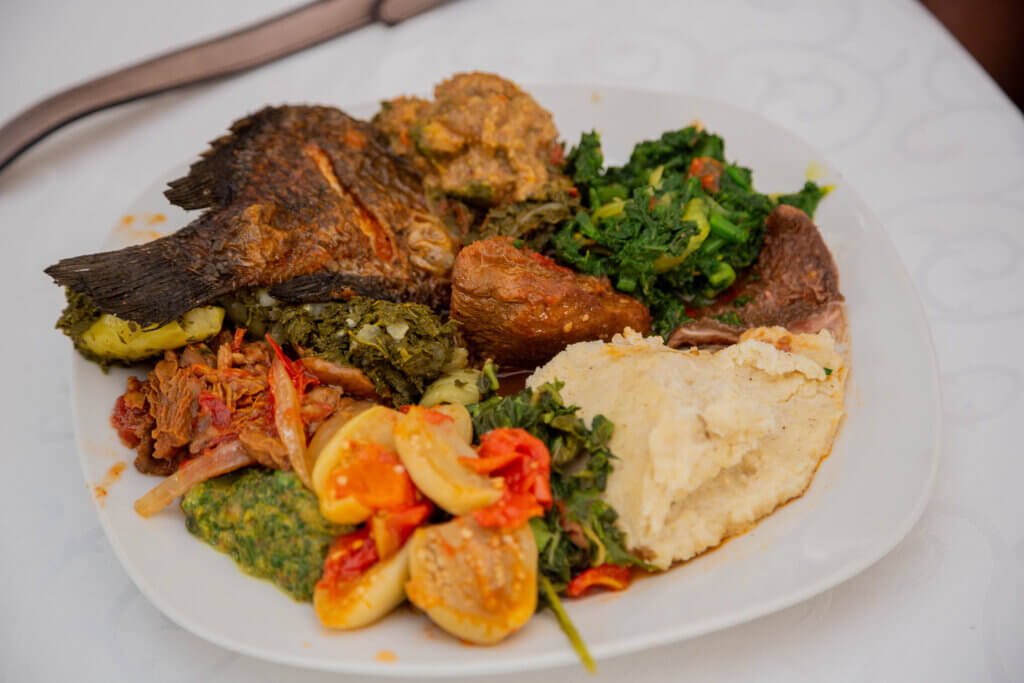
Picture the typical Southern African evening meal. A huge, pile of nshima placed in the middle of a mat on the floor, and beside it, a plate full of leafy vegetables (Relish). The taste is good and it fills the stomach.
The question that begs an answer still remains. Does full stomachs mean good nutrition?
When we eat a plate that is 80% nshima (a basic carbohydrate) and only 20% vegetables, we are providing our bodies with a source of fuel to work the fields or go to school. However, we are depriving our cells of the necessary building blocks for growth, repair and disease prevention.
The Kusamala Institute’s “Why Sustainable Food and Farming Systems Matter for Malawi” brief serves to remind us that the industrial food system has concentrated on a handful of commodity crops, predominantly maize.
This has caused a crisis of micronutrient deficiency (wasting and stunting). While we are eating, our bodies are suffering “hidden hunger.”
A plate with only nshima and plain leaves is like a car that has to run on only one kind of fluid. It can go for a while, but eventually, the engine will fail.
The Hidden Cost of the “Maize and Leaves” Diet
When our food is not varied, the impacts are felt in our homes, our clinics and our farms.
-
Naturally impaired immunity and poor growth
Lack of adequate protein, vitamins and healthy fats means that children’s brains and bodies are still under development, and adults are exhausted, sweating and prone to sickness. No amount of nshima is equivalent to the vital nutrients needed to help build strong bodies and smart minds.
-
The cost of buying “expensive” nutrition
Because our farms and households have been pushed into maize monocultures, we often have no choice but to use the money we earn at the market to buy expensive animal proteins, cooking oils and imported fruit to supplement our diets with the missing nutrients.
-
We have become disconnected from our agroecological roots
The traditional, agroecological way of farming is intended to create a rich variety of food. When we give up crops such as bambara nuts, millet, sorghum, soybeans, and many more, in favour of only maize, we have given up the “medicine cabinet” and “multivitamin” that our ancestors used to supplement their diets.
The solution is not to eat less food but to eat better foods. This starts by knowing about the Six Food Groups.
The Six Food Groups Perfect Plate
In our fight against hidden hunger, the Soils, Food and Healthy Communities (SFHC) project trains Farmer Research Teams in the idea that each household should try to include foods from all six food groups in their weekly or daily meals.
Here you will find a brief guide to the six food groups that includes culturally relevant, agroecologically grown crops in Malawi.
-
Staples (The Energy Providers)
What they do: Supply carbohydrates for energy.
What to eat: Maize (and also sorghum, millet, cassava and sweet potatoes.)
Agroecology Tip: Grow these with legumes to keep the soil healthy.
-
Vegetables (The Protectors)
What they do: Supply vitamins, minerals, fibre and water for smooth digestion and disease prevention.
What to eat: Green leafy vegetables such as mkhwani (pumpkin leaves), tomatoes, carrots and mushrooms.
-
Legumes and Nuts (The Builders)
What they do: Supply essential plant-based protein and carbohydrates.
What to eat: Groundnuts, soybeans, common beans, bambara nuts and pigeon peas.
Agroecology Tip: Legumes will fix the nitrogen in your soil, fertilising your land for the next season,
-
Fats and Oils (The Absorbers)
What they do: These provide vital fats and assist the body in absorbing fat soluble vitamins(A, D, E and K).
What to eat: Pounded groundnut, groundnut oil, sesame, pumpkin seeds, soybeans, avocado. (Add a handful of pounded groundnut powder to your vegetable relish for an immediate switch to this food group)
-
Fruits (The Immunity boosters)
What they do: These are rich in Vitamin C, fibre and beta-carotene.
What to eat: Mangoes, bananas, paw-paws, guavas, masawu and watermelon.
-
Animal Foods (The Fortifiers)
What they do: High-quality protein, fats, minerals and vitamins.
What to eat: Usipa (small fish), eggs, milk, meat and even mbewa(Wild rodents) and grasshoppers.
The Secret Ingredient: Nutrient-Rich Soil
Nutrient-rich food simply does not grow in dead soil.
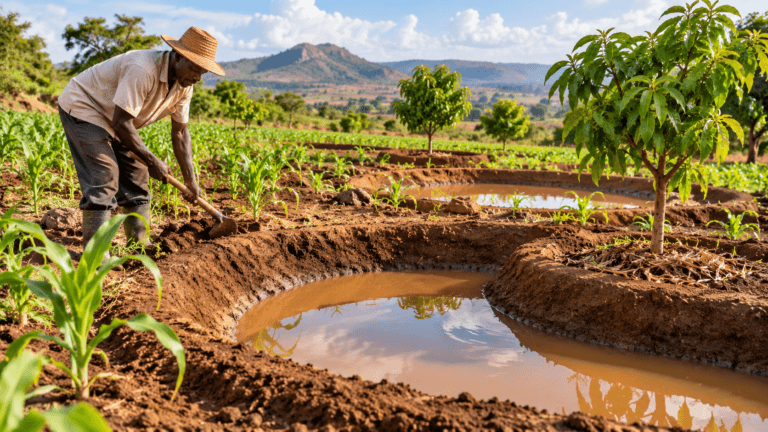
You really only start achieving a balanced plate on the field. When farmers employ KATC’s contour farming and soil conservation approaches, topsoil is no longer just washed into the valley and rainwater is trapped. When they feed that living soil with Fermented Liquid Bio-Fertilizers, microbial life is boosted.
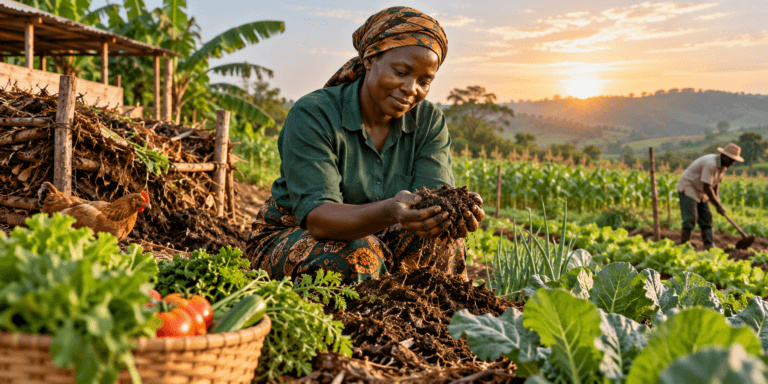
The result of healthy, living soil is crops that are rich in antioxidants, vitamins and minerals. In protecting the soil, you are protecting your family’s nutritional security.
Improve Your Relish Now
You ‘don’t’ have to buy expensive, foreign supplements to solve hidden hunger. You just have to diversify your plate with the traditional crops that are growing outside your door.
The “Six-Group” Meal Idea:
Instead of plain nshima and boiled leaves, try making the SFHC “Usipa and Mkhwani” Relish:
- Boil usipa (Animal Foods) in salted water.
- Add chopped tomatoes and onions then stir in roasted groundnut flour (Legumes & Fats/Oils).
- In a separate pot steam fresh pumpkin leaves (mkhwani) (Vegetables).
- Serve with a mixed Millet and Maize Nshima (Staples), and finish the meal with a slice of ripe paw-paw or mango (Fruits).
All six food groups, from local sources, prepared the traditional way.
Download the Free Knowledge Products SFHC Indigenous Recipe Book
Find over 30 tasty, nutritious recipes for a balanced meal incorporating beans, soybeans, sorghum, millet and groundnuts.
Why Sustainable Food Systems Matter for Malawi – Kusamala Institute
Find out why a move away from maize monocultures to diverse agroecology is the panacea for hidden hunger.
Contour Practices for Soil & Water Conservation – KATC
Learn how to protect your topsoil, so diverse crops can take full advantage of the nutrients in the earth.

Author: Rabecca Mwila
Rabecca Mwila is a passionate advocate for sustainable agriculture and environmental stewardship. With a background in climate change and communications, she has spent years telling the untold stories of the realities of climate change, environmental and climate injustices and how they affect vulnerable communities in Africa and beyond