Rising Pest Pressure and Costly Chemical Dependence
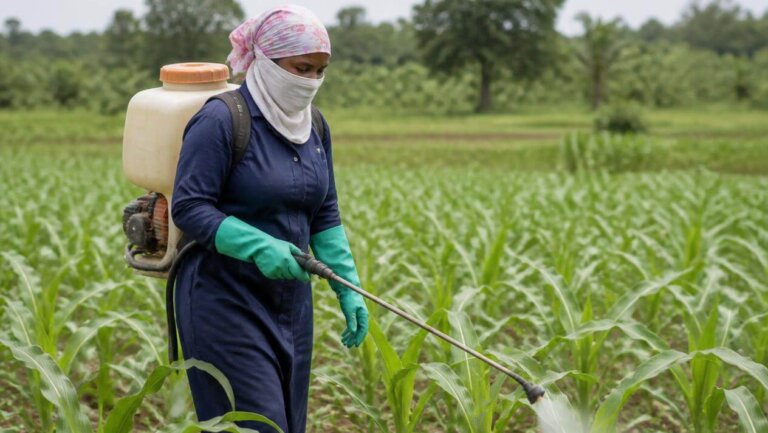
Across Southern Africa, farmers are fighting an increasingly difficult battle against crop pests. Aphids, bean beetles, stalk borers, and fall armyworm continue to destroy harvests, forcing many smallholder farmers to rely on chemical pesticides as their primary defence.
Yet these chemicals come at a high cost:
- They are expensive and often unaffordable for small-scale farmers.
- Misuse can cause health problems for farmers and their families.
- Over time, pests develop resistance, making chemicals less effective.
- Soils and beneficial insects are damaged in the process.
Ironically, while farmers struggle to afford external inputs, effective pest control solutions already exist in their surroundings.
Losing Indigenous Knowledge, Losing Control
For generations, farming communities relied on indigenous plant knowledge to manage pests. Leaves, roots, and seeds from local plants were used to repel insects and protect crops naturally.
Today, much of this knowledge is being lost:
- Extension services often promote chemical solutions over traditional practices.
- Younger farmers are rarely trained in natural pest management.
- Indigenous plants are dismissed as “unscientific,” despite growing evidence of their effectiveness.
As a result, farmers become dependent on external inputs and disconnected from sustainable, locally controlled farming systems.
Rediscovering Plant-Based Pest Control
Research and farmer trials documented in the KHSA / SFHC Botanicals factsheet show that many locally available plants can effectively manage crop pests when prepared and applied correctly.
Plants That Work
Farmers across Southern Africa are successfully using:
- Tephrosia vogelii – effective against aphids, bean beetles, and caterpillars
- Vernonia amygdalina (Bitter leaf) – repels a wide range of pests
- Chilli and garlic mixtures – disrupt feeding and reproduction of insects
These botanicals work by repelling pests, reducing feeding, or interfering with their life cycles, without contaminating soils or food.
Benefits Beyond Pest Control
Using local plants for pest management offers multiple advantages:
- Low cost: Materials are readily available and inexpensive.
- Environmental protection: Botanical sprays break down naturally.
- Biodiversity support: Beneficial insects are less harmed.
- Soil health improvement: No chemical residue build-up.
- Farmer empowerment: Knowledge stays within the community.
Most importantly, botanical pest control strengthens agroecological farming systems that are resilient to climate change and market shocks.
Making the Transition: Start Where You Are
Farmers do not need to abandon their current practices overnight. Botanical sprays work best when combined with:
- Early pest scouting
- Crop rotation and intercropping
- Healthy soils and organic matter
- Safe preparation and correct application
Download the free Knowledge Product below by KHSA/SFHC which emphasises proper dosage and safety, reminding farmers that “natural” does not mean careless.
Bring Nature Back Into Pest Control
Africa’s forests and fields hold powerful solutions to today’s farming challenges. It’s time to bring them back to the farm.

Author: Rabecca Mwila
Rabecca Mwila is a passionate advocate for sustainable agriculture and environmental stewardship. With a background in climate change and communications, she has spent years telling the untold stories of the realities of climate change, environmental and climate injustices and how they affect vulnerable communities in Africa and beyond