From Master Trainer to Community Learning: Scaling Organic Agriculture Through Knowledge
Knowledge has the power to transform agricultural systems when it is shared, adapted, and passed from one community to another.
From Agrochemical Sales to Organic Solutions
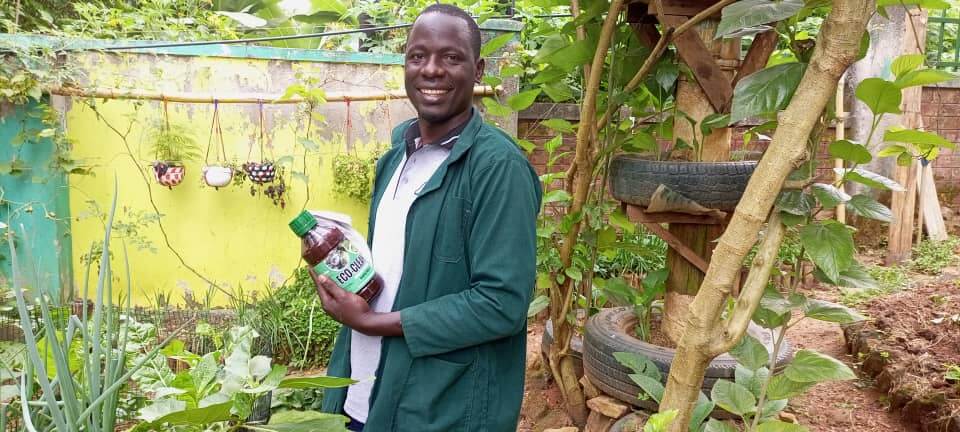
Alex’s journey shows how agroecology training can transform personal challenges into entrepreneurship, healthier farming, and stronger farming communities.
What begins as training can become transformation when farmers embrace agroecology as a pathway to sustainable success

Knowledge shared, skills applied, lives transformed,one farmer’s agroecology journey is creating lasting change beyond the farm
From Knowledge to Innovation: How Julius Echodu is Advancing Agroecology in Uganda’s Teso Region

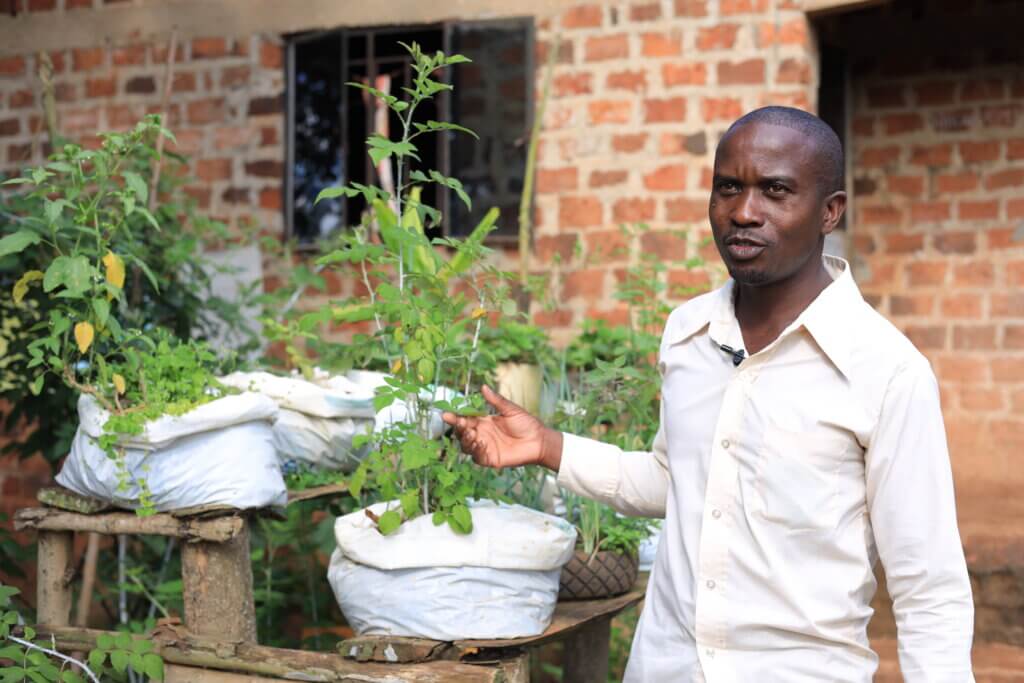
KHEA Multiplier Julius Echodu transforms agroecology knowledge into innovations supporting resilient farming and community livelihoods in Uganda.
When the World Goes Quiet, Bees Keep It Alive: Celebrating World Bee Day 2026

Every bite of food we eat has a hidden story and at the center of that story are bees.
Grown Organically in a Semi-Arid Landscape: Yohana’s Tomato Success Story in Dodoma

Organic tomato farming thrives in Dodoma’s semi-arid climate using affordable, sustainable and natural methods.
From Training to Transformation: How Samuel Nderitu is Growing Hope Through Agroecology

From degraded clay soil to a thriving agroecology hub transforming livelihoods through innovation and training.
Practical Resources for Organic Farming & Agroecology

Practical Knowledge Products empower African stakeholders with accessible tools to advance organic farming and agroecology.
From Policy to Practice: How Southern Africa Is Scaling Agroecology to End Hunger

Southern Africa continues to face high food insecurity despite decades of agricultural investment. As climate change intensifies, agroecology and organic farming are emerging as practical solutions
From Forest to Farm: How Local Plants Can Protect Crops Naturally

Local plants like Tephrosia, bitter leaf, chilli, and garlic offer farmers a low-cost, natural way to control pests, reducing reliance on chemicals and strengthening agroecology.