When we think about agriculture, food security or climate change, soil is rarely the first thing that comes to mind. We walk on it every day, build on it, farm it and often ignore it. Yet soil is one of the most powerful and undervalued resources on Earth.
There is no life without soil.
It feeds us, stores water, captures carbon, supports biodiversity and quietly sustains human civilisation. Protecting soil is not just an environmental issue. It is an economic, social and food security imperative.
This article explores why soil matters, what is threatening it, and how sustainable soil management can secure our future.
Soil is Not Dirt. It is Alive.
Soil is far from lifeless. In just one gram of healthy soil, there can be up to 50,000 species of microorganisms. In a single teaspoon of soil, there are more living organisms than there are people on Earth.
These microscopic communities form a complex underground ecosystem that supports plant growth, nutrient cycling and even human health. Many antibiotics used in modern medicine were originally derived from soil microorganisms. Beneath our feet lies a living laboratory that we have barely begun to understand.
Earthworms, for example, play a vital role in soil health. By burrowing through the ground, they create channels that allow air and water to move through the soil, helping plant roots grow and keeping the soil biologically active. Charles Darwin once described earthworms as some of the most important animals in the history of the world because of their role in forming fertile soil.
Soil is alive, sensitive and interconnected with all life above it.
Soil Takes Thousands of Years to Form, but Only Moments to Destroy
Healthy soil forms incredibly slowly.
Just 10 centimetres of fertile soil can take up to 2,000 years to develop through the gradual breakdown of rocks by wind, rain, plants and microorganisms.
Yet human activities can destroy that same soil in a few years or even months.
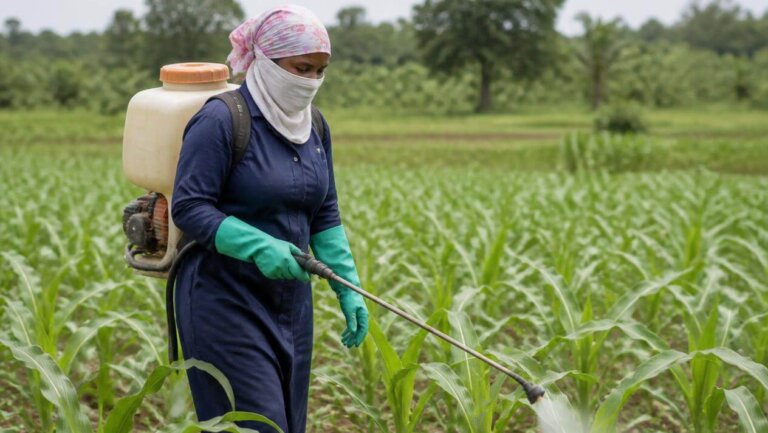
Every year, about 13 million hectares of forest are cleared globally, exposing soil to erosion. Poor farming practices such as monocropping, excessive tillage, farming on steep slopes and leaving fields bare after harvest accelerate soil degradation. When soil is left unprotected, wind and water wash it away.
In one year alone, an estimated 24 billion tonnes of fertile soil were lost globally. That loss has real economic consequences, costing the world hundreds of billions of dollars annually and reducing the productivity of farmland.
Once soil is gone, it is effectively gone forever on a human timescale.
Urbanisation and Land Pressure Are Sealing Our Soils
As cities expand, fertile land is being covered by concrete and asphalt. When soil is sealed under roads and buildings, it loses its ability to grow food, absorb water or support life.
At the same time, arable land per person is shrinking. By 2050, the amount of available farmland per person is expected to be cut in half. Yet the global population continues to grow, and more than one billion people already go to bed hungry every night.
Soil scarcity is also driving land grabbing, where large areas of fertile land are acquired for commercial or political purposes, often displacing smallholder farmers and vulnerable communities. These pressures push people into deforestation and unsustainable land use simply to survive, creating a dangerous cycle of degradation and poverty.
Soil Organic Carbon: The Treasure Beneath Our Feet
One of soil’s most powerful and least understood functions is its role in carbon storage.
Soil holds massive amounts of organic matter known as soil organic carbon. This carbon comes from plant roots, crop residues and organic materials that are broken down by soil organisms and stored underground.
To put it in perspective:
- Soil stores nearly twice as much carbon as the atmosphere
- It stores three times more carbon than all plants on Earth combined
- About 1,417 gigatons of carbon are stored in the first metre of soil worldwide
Healthy soils help slow climate change by capturing carbon dioxide from the atmosphere and locking it away. But when soils are degraded through deforestation, intensive farming or overuse of chemicals, that carbon is released back into the air, accelerating global warming.
Already, the degradation of one third of the world’s soils has released up to 100 gigatons of carbon into the atmosphere.
Protecting soil organic carbon is therefore one of the most effective and affordable climate solutions available.
Soil Health, Food Security and Climate Are Deeply Linked
Healthy soil means healthy food systems.
Soil organic matter improves soil structure, allowing it to hold water and air for plant roots. This makes crops more resilient to droughts and floods, improves nutrient availability and increases yields naturally.
Practices that protect and rebuild soil health can:
- Increase food production sustainably
- Improve water quality and reduce flooding
- Enhance biodiversity above and below ground
- Strengthen resilience to climate shocks
- Support farmer livelihoods and rural economies
By restoring degraded soils globally, scientists estimate that up to 50 gigatons of carbon could be removed from the atmosphere.
Why Sustainable Soil Management Matters Now
The good news is that we already know what works.
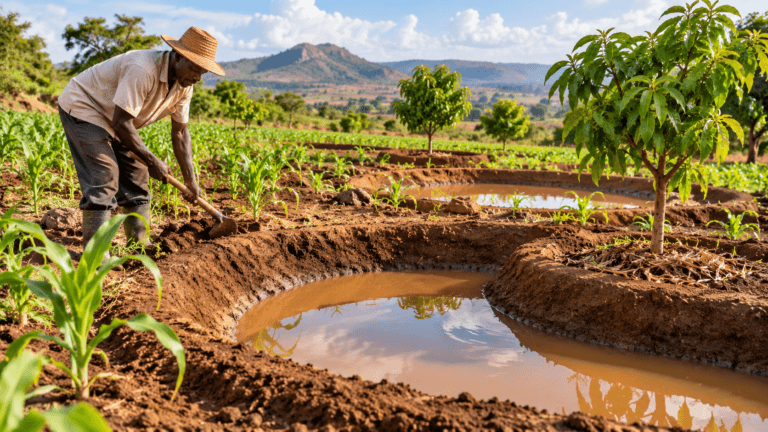
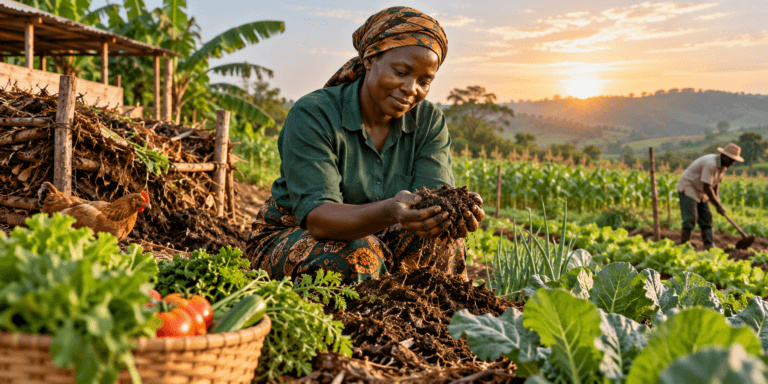
Sustainable soil management practices such as cover cropping, composting, mulching, agroecology, reduced tillage, crop rotation and organic farming can rebuild soil organic carbon and restore fertility.
Grasslands, wetlands, peatlands and drylands are especially important carbon reservoirs and must be protected from degradation. Supporting farmers to adopt soil-friendly practices is not just an environmental investment. It is an investment in food security, public health and climate resilience.
Yet soil remains poorly protected by policy in many countries. Data on soil health is limited, regulations are weak, and awareness is low. We continue to treat soil like dirt, even though our survival depends on it.
A Call to Protect the Ground Beneath Our Feet
Soil is finite. It is alive. And it is irreplaceable.
We cannot continue to take from it without giving back. Like a bank account with no deposits, one day it will run empty if we do not change course.
Protecting soil requires action from everyone: farmers, consumers, policymakers, investors and communities. It requires laws that safeguard land rights, urban planning that preserves fertile soils, and agricultural systems that work with nature rather than against it.
If we protect soil, it will continue to feed us, regulate our climate and sustain life for generations to come.
The future of food, climate and humanity is literally under our feet.
Insights informed by educational resources from FAO and global soil science research.
To Learn more on soil fertility, click to read blog post
To Learn more, Read Blog Post on How Organic Farms Manage Fertility: Natural Ways to Boost Soil Health and Crop Yields

Author: Hepzibah Ebe
Experienced and results-driven Communications expert with over nine (9) years of expertise in developing and executing effective communication strategies, including more than two (2) years of specialization in agroecology