A Tale of Two Farms
The first drops of rain fall from the sky after weeks of dry weather. For farmers, it is a welcome sight.
Fields that were dusty and dry suddenly come alive with the promise of a new growing season. Seeds begin to germinate, pastures start turning green and hopes for a good harvest rise with every passing shower.
However, have you ever wondered what happens to a raindrop after it lands on the ground? The answer depends largely on the health of the soil beneath it.
To understand why soil management matters, let us follow the journey of a single raindrop as it lands on two neighbouring farms.
Farm One: The Struggle of Bare and Degraded Soil
Our raindrop falls onto a field where the soil is bare.
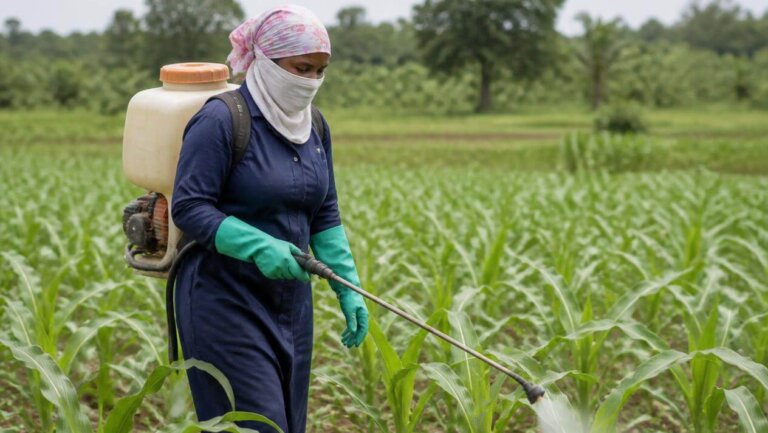
The land has been heavily tilled for years. Crop residues were removed after harvest, leaving little protection on the surface. The soil has lost much of its organic matter and has become hard and compacted.
As the raindrop hits the ground, it cannot easily soak into the soil. Instead, it joins thousands of other raindrops flowing across the surface.
Together, they create runoff. As the water moves downhill, it carries away valuable topsoil, nutrients and organic matter.
The farmer watches as muddy water leaves the field, taking years of soil fertility with it. Within a few days, the field is dry again.
Although the farm received rain, very little water remained where the crops needed it most. The crops soon begin to show signs of stress.
The farmer wonders why yields continue to decline despite receiving rainfall. The answer lies beneath the surface.
Farm Two: The Power of Healthy Soil
Now let us follow another raindrop.
This time, it lands on a neighbouring farm managed using agroecological practices.
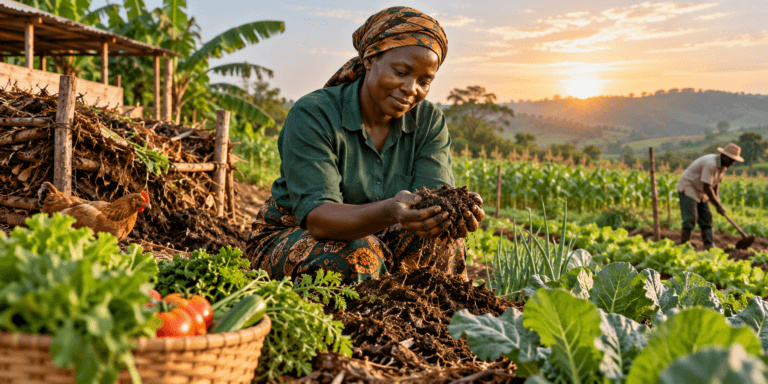
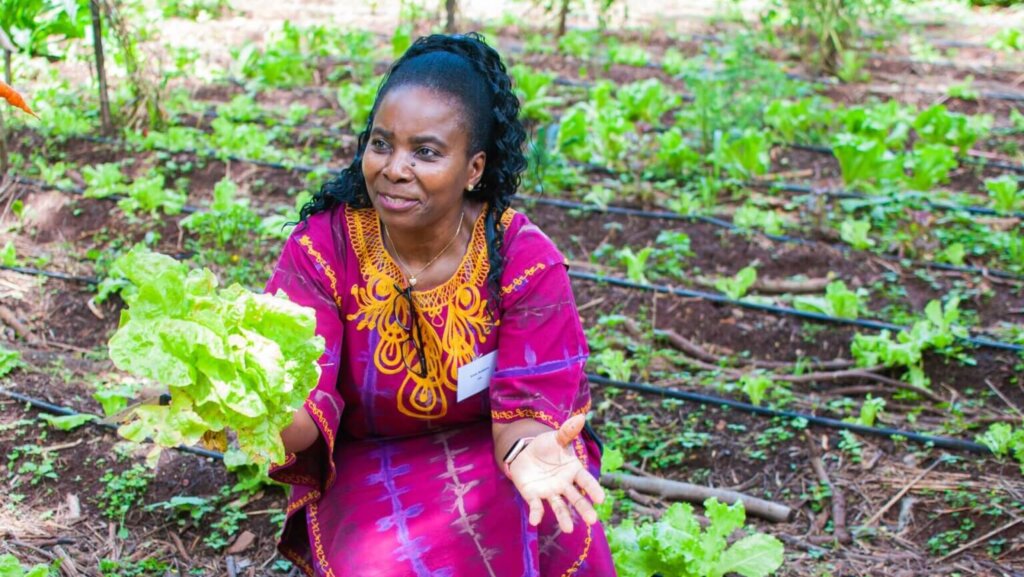
The soil is covered with mulch made from crop residues. Trees are scattered across the landscape. The farmer regularly applies compost and practices crop rotation. As the raindrop reaches the soil, something different happens.
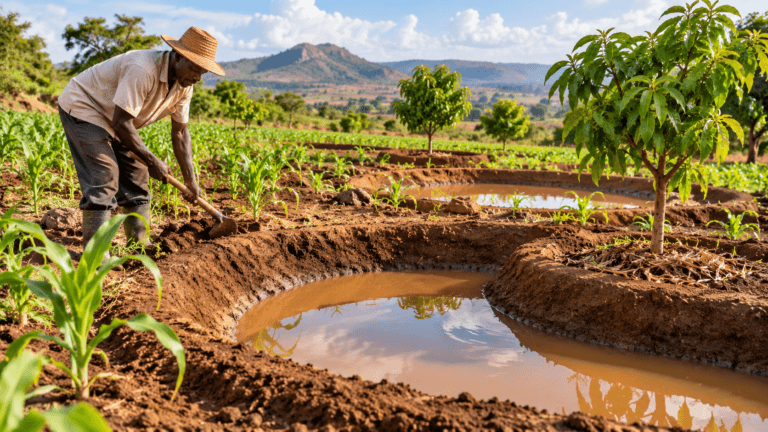
Instead of running away, it begins to soak in. Tiny channels created by plant roots, earthworms and soil organisms guide the water deeper into the ground. The soil acts like a sponge. It absorbs and stores the water for future use.
Some of the moisture remains close to the surface where young seedlings can access it. Some moves deeper, creating reserves that crops can draw upon during dry periods.
Days later, even after the rain has stopped, the soil remains moist and crops continue to grow. The farmer’s field stays greener for longer.
The difference is not the amount of rainfall but what happens after the rain falls.
Why Water Infiltration Matters
Water infiltration is the process by which water enters the soil.
When infiltration is poor:
- More water is lost through runoff
- Soil erosion increases
- Nutrients are washed away
- Crops receive less moisture
- Drought impacts become more severe
When infiltration is good:
- More water reaches plant roots
- Soil moisture lasts longer
- Erosion is reduced
- Groundwater is replenished
- Crop resilience improves
In simple terms, better infiltration means farmers make better use of the rain they receive.
How Healthy Soil Helps Capture Rainwater
Healthy soil contains organic matter, microorganisms, roots and natural pore spaces.
These features allow water to move through the soil more easily.
Organic matter is particularly important because it improves soil structure and increases the soil’s capacity to hold water.
In many ways, healthy soil functions like a natural water reservoir.
The more organic matter it contains, the more water it can store.
Practices That Help Keep Rainwater on the Farm
Farmers can improve water infiltration and soil moisture by adopting simple agroecological practices.
Mulching
Mulch protects the soil surface and slows evaporation.
It also reduces the impact of raindrops, helping water infiltrate rather than run off.
Composting
Compost increases soil organic matter and improves water-holding capacity.
Crop Rotation
Different crops create different root structures that improve soil health and infiltration.
Agroforestry
Trees help stabilize the soil, improve infiltration and reduce water loss.
Reduced Tillage
Minimizing soil disturbance helps preserve soil structure and maintain channels that allow water to enter the ground.
A Lesson From Every Raindrop
Every rainfall event tells a story. Some farms lose much of their water through runoff and erosion. Others capture and store that same water for future use. The difference is often not the weather. It is the condition of the soil.
As climate change brings more unpredictable rainfall patterns, farmers who invest in soil health will be better positioned to make every drop count.
Download the KATC Soil and Water Conservation Poster for more details on soil health and water conservation.

Author: Rabecca Mwila
Rabecca Mwila is a passionate advocate for sustainable agriculture and environmental stewardship. With a background in climate change and communications, she has spent years telling the untold stories of the realities of climate change, environmental and climate injustices and how they affect vulnerable communities in Africa and beyond