When Pests Destroy Crops and Profits
Across Southern Africa, smallholder farmers lose a significant portion of their harvest every season to pests such as aphids, stalk borers, bean beetles, and fall armyworm. For many, the first response is to reach for chemical pesticides, often expensive, sometimes unsafe, and increasingly ineffective.
But what if the solution to pest control was already growing nearby?
From homesteads to forest edges, locally available plants are offering farmers a powerful, affordable alternative: botanical sprays.
What Are Botanical Sprays and Why Do They Matter?
Botanical sprays are natural pest control solutions made from plant materials such as leaves, roots, or seeds. Used correctly, they repel or suppress pests without harming soil health, beneficial insects, or human health.
According to the KHSA / SFHC Botanicals factsheet, farmers in Southern Africa have successfully used plants like:
- Tephrosia vogelii
- Vernonia amygdalina (bitter leaf)
- Chilli and garlic mixtures
These botanicals have been tested in farmer fields and shown to reduce pest pressure in maize, beans, and other staple crops, especially when combined with good agronomic practices.
Unlike synthetic pesticides, botanical sprays:
- Are low-cost or free
- Use locally available materials
- Break down quickly in the environment
- Support organic and agroecological farming systems
Why Farmers Are Turning to Botanical Pest Control
For many smallholder farmers, the benefits of botanical sprays go beyond pest control.
1. Affordable and Accessible
Botanical sprays reduce dependence on costly agrochemicals. Farmers can prepare sprays using plants found in their communities, saving money each season.
2. Safe for People and the Environment
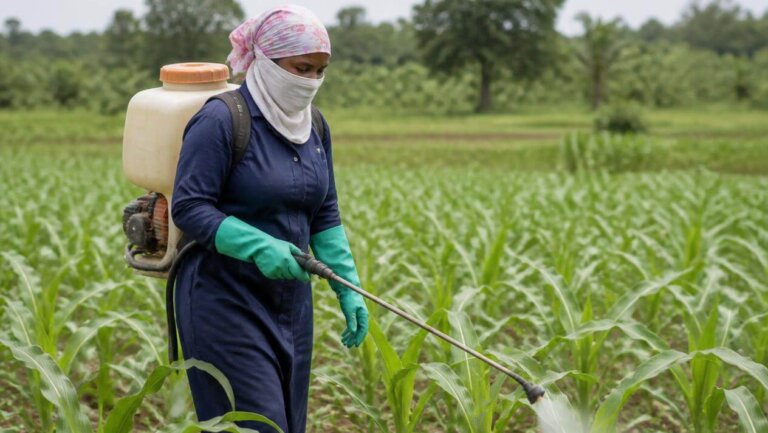
Chemical pesticide misuse has led to health risks for farmers and contamination of soils and water sources. Botanical sprays are safer for families, livestock, and ecosystems when prepared and applied correctly.
3. Protect Beneficial Insects
Unlike broad-spectrum chemicals, botanical sprays are less harmful to pollinators and natural enemies of pests, helping farms build long-term resilience.
4. Support Organic and Agroecological Farming
Botanical pest control aligns perfectly with organic agriculture, soil regeneration, and climate-resilient food systems promoted across Southern Africa.
Farmers using botanicals are not just controlling pests; they are restoring balance to their farms.
Start Small, Farm Smarter
Botanical sprays are not a silver bullet, but they work best when combined with:
- Crop rotation
- Intercropping
- Healthy soils
- Early pest monitoring
The KHSA/SFHC factsheet emphasises proper preparation, correct dosage, and safe application to ensure effectiveness and farmer safety.
Grow Food, Not Dependency
Smallholder farmers deserve pest control solutions that protect their health, their soil, and their livelihoods. Botanical sprays offer exactly that.
Download the Free Knowledge Product ” How to use Botanicals by KHSA & SFHC”.

Author: Rabecca Mwila
Rabecca Mwila is a passionate advocate for sustainable agriculture and environmental stewardship. With a background in climate change and communications, she has spent years telling the untold stories of the realities of climate change, environmental and climate injustices and how they affect vulnerable communities in Africa and beyond