-
Rabecca Mwila
Posts
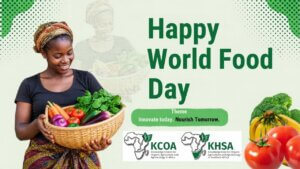
Think Before You Eat: What World Food Day Teaches Us About the True Cost of Our Meals
This World Food Day, think beyond what is on your plate. Discover how organic agriculture and agroecology can protect our health, restore the environment and...
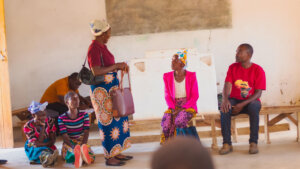
Acting for Change: Using Theatre to Tackle Climate Challenges in Malawi
Participatory theatre is helping Malawian communities turn climate challenges into practical, locally owned solutions through interactive skits and dialogue. Learn More.
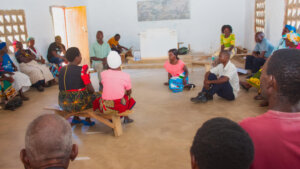
How to Use Theatre to Teach Agroecology: A Step-by-Step Guide for Extension Officers
Participatory theatre makes agroecology training practical, relatable and engaging by turning farmers’ real experiences into stories, discussions and shared solutions. Learn More.
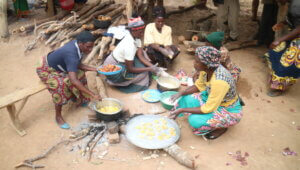
When the Rains Fail, These Crops Thrive: Drought-Tolerant Recipes for Climate-Smart Families
When drought threatens maize, crops like sorghum, millet and Bambara nuts can help families have enough food and stay healthy. Learn More
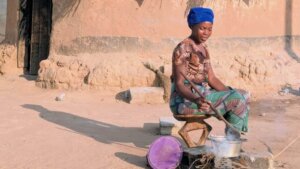
The Grandmother’s Kitchen: Preserving Indigenous Food Knowledge for the Next Generation
Indigenous foods and traditional recipes provide a wealth of nutritious, diverse and affordable choices for healthier eating. Learn More.

Why Your Nshima Needs Something More than Relish: The Six Food Groups African Families Must Know
Local foods can offer more than just a connection to our culture, they can provide the nutrients our bodies need to stay healthy. Learn More.
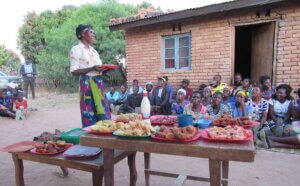
Cooking Together, Eating Together: How Community Cooking Demonstrations Are Transforming Villages
In rural Malawi, demonstrations for preparing dishes using local, varied crops are empowering farmers to eat well and also learn about their foods. Learn more.
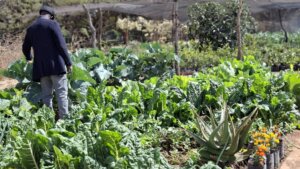
Hold the Soil, Protect the Harvest: Why Contour Farming Matters
Planting across the slope along contour lines slows water runoff, reduces erosion and helps rainwater soak into the soil instead of washing away valuable topsoil....
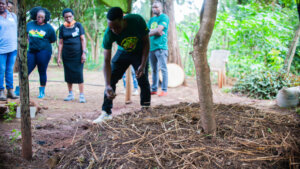
Every Drop Counts: How Farmers Can Reduce Water Loss Naturally
As rainfall becomes more unpredictable, conserving water is essential for resilient farming. Learn simple agroecological practices that help keep more water in the soil.
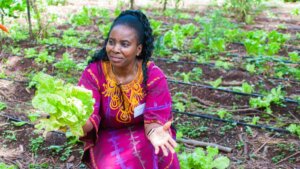
The Journey of a Raindrop: What Happens After Rain Falls?
What happens after the rain falls depends on the health of the soil. Discover how healthy soils capture and store water.